
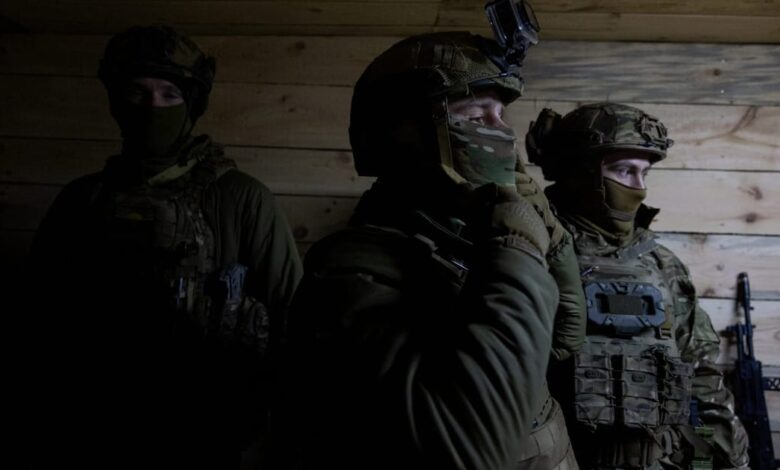
The operation represents a coordinated effort to recapture the initiative against Russian forces that had been advancing toward Lyman, a key fortress city and defensive hub for the northern Donetsk region. Biletskyi stated that Russian units, including officers, pilots, and artillerymen, surrendered in entire subunits. The Ukrainian military employed an integrated strategy involving drones, armor, artillery, and infantry to counter a Russian pincer attack aimed at seizing control of Lyman.
“Russians surrendered by entire subunits, along with officers, pilots, and artillerymen,” said Gen. Andrii Biletskyi, commander of the Third Army Corps.
Ukrainian forces utilized deception tactics to misdirect Russian reserves. The Third Corps feigned a main thrust toward Shandryholove and Zelena Dolyna, drawing Russian counterattacks in that sector while the primary Ukrainian strike moved toward Nove. Biletskyi noted that this maneuver caused Russian forces to expend their reserves in the wrong sector, missing the actual point of attack.
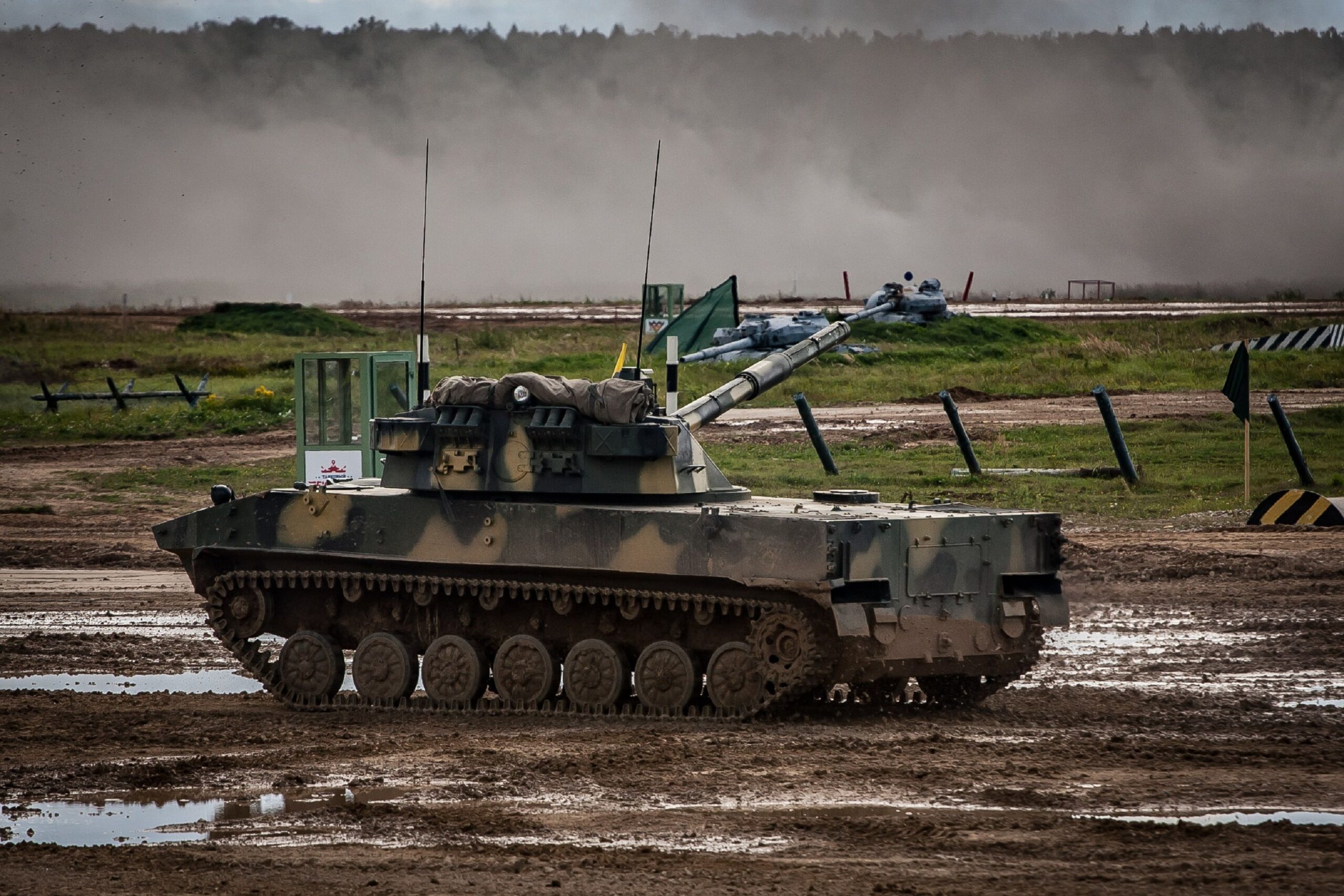
The operation highlighted the increased use of unmanned technology to reduce casualties among Ukrainian troops. This included air-dropping small ground robots behind enemy lines and converting Soviet-era BTR-60 armored vehicles into explosive-laden kamikaze drones to target Russian fortifications. Mykola Bielieskov, a research fellow at Ukraine’s State National Institute for Strategic Studies, explained that Russian forces had advanced to the Siverskyi Donets River. Had they advanced further, the defense of Lyman would have been significantly complicated by the disruption of logistics and supply lines.
The counteroffensive carries strategic significance beyond the immediate battlefield. Ukrainian officials view the success as evidence that Russian advances in Donetsk are not inevitable, a message aimed at Western allies and the current U.S. administration. Bielieskov stated that the operation undermines the Russian theory of victory, which relied on converting local advances into strategic successes to question the value of Western support for Ukraine.
Ukrainian President Volodymyr Zelenskyy provided broader context on Sunday, stating that Ukrainian units neutralized 10,660 Russian troops killed and wounded across all active combat sectors in the preceding week. He emphasized that maintaining such defensive and counter-offensive successes prevents Russia from mounting greater offensive activities.
Concurrently, Russia and Ukraine have exchanged prisoners of war. Zelenskyy confirmed the return of 193 Ukrainian personnel, including soldiers and border guards, from Russian captivity. Some of the returned prisoners were injured and face criminal charges in Russia. The prisoner swap was confirmed by officials on both sides, marking a significant humanitarian development alongside the military gains in the east.
The operation has also drawn attention from U.S. diplomatic efforts. Bielieskov noted that U.S. special envoys Jared Kushner and Steve Witkoff, who are leading renewed efforts to end the war, have pointed out to Russian President Vladimir Putin that his stated goals for the rapid occupation of the Donetsk region have not materialized. The battlefield developments in Operation Vivaldi provide tangible data for these ongoing diplomatic discussions.