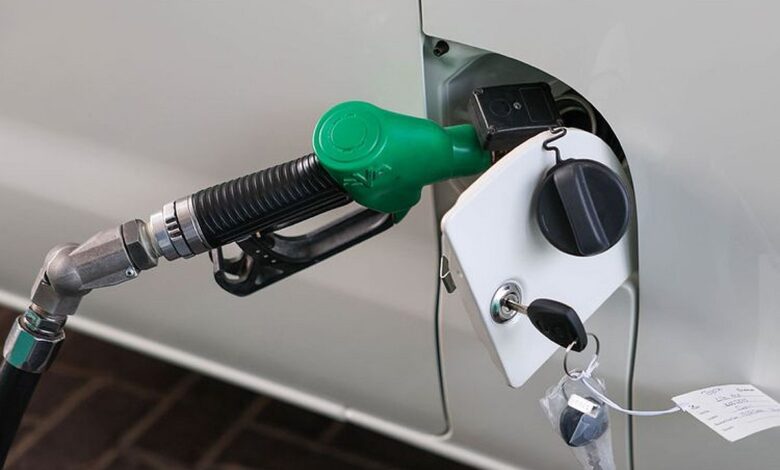
The UAE Fuel Price Committee announced on Wednesday that retail prices for petrol and diesel would increase from the beginning of October. Super 98 petrol will cost Dh4.40 per litre, up from Dh3.80 in September. Special 95 will rise to Dh4.28, E-Plus 91 to Dh4.21, and diesel to Dh4.80. These adjustments represent month-on-month increases of 15.8% for Super 98, 16% for Special 95, 16.6% for E-Plus, and 11.6% for diesel. The committee stated that these rates were approved under the country’s monthly pricing mechanism, which is designed to reflect movements in global energy prices while accounting for local market requirements.
The immediate financial impact on consumers is substantial. A driver purchasing 60 litres of Super 98 will pay Dh264, compared to Dh155.40 in February. This represents an additional cost of Dh108.60 for a single fill-up. For Special 95, the cost rises from Dh148.80 to Dh256.80, an increase of Dh108. Diesel users will see the most significant absolute rise, with 60 litres costing Dh208 more than they did earlier in the year, pushing the total to Dh288 from Dh81.60. In total, residents may pay up to Dh124.80 more per tank than they did in February, depending on the fuel grade and vehicle capacity.
This October pricing follows an exceptional period for international energy markets. Brent crude oil spent much of September at elevated levels, driven by disruption to regional energy flows that kept pressure on global supply. The UAE’s pricing model, which links domestic retail prices to international benchmark trends, has transmitted these global shocks directly to the pump. While the UAE’s petrol prices remain below those in many major global markets, the trajectory has shifted sharply upward compared to the start of the year.
The scale of the change becomes clearer when comparing October rates with February, before the latest regional conflict began to disrupt energy flows. In February, Super 98 cost Dh2.59 per litre. By October, it is Dh4.40, a cumulative increase of Dh1.81 per litre, or nearly 70%. Special 95 has risen from Dh2.48 to Dh4.28, a 73% increase. E-Plus 91 has jumped from Dh2.40 to Dh4.21, up roughly 75%, and diesel has surged from Dh2.72 to Dh4.80, a 76% increase. These figures illustrate how sustained global price pressures can rapidly erode the affordability of fuel in a market where consumption is high.
The pricing mechanism ensures that domestic prices do not deviate significantly from global benchmarks, protecting the UAE’s position in the energy market while passing through cost fluctuations to consumers. For businesses and individuals, the rise in fuel costs is likely to influence transport logistics, commuting habits, and broader inflationary pressures. The committee reviews these prices at the close of each month, meaning that any further changes in global oil markets could result in additional adjustments in November.
As the new rates take effect on October 1, the focus shifts to how consumers and commercial operators adapt to the higher baseline. The crossing of the Dh4 mark for petrol serves as a tangible indicator of the current energy landscape, where regional stability and global supply chains remain the primary drivers of daily living costs in the Gulf.