

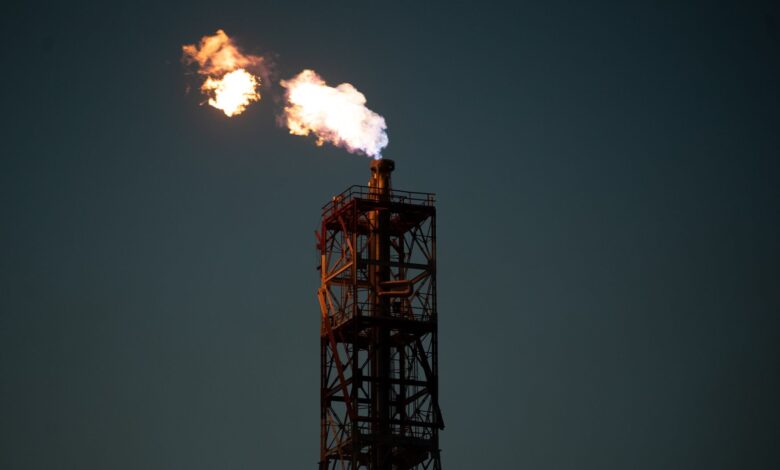
The targeted facility, the A.A. Shamara Il’sk Refinery, is situated in the settlement of Il’sk in the Siversky district. It is one of the leading oil processing enterprises in southern Russia, with an annual processing capacity of approximately 6.6 million tons of crude oil. The refinery’s output is utilized for various purposes, including the supply of fuel for Russian military operations. Raw materials for the plant are delivered via the pipeline network operated by the state-owned Transneft company.
At the time of publication, official authorities have not confirmed the extent of the damage or the operational status of the refinery following the incident. The attack represents a direct strike on a significant piece of Russia’s domestic energy infrastructure, potentially impacting regional fuel distribution and military logistics in the south.

The Il’sk refinery is a critical node in the southern Russian energy sector. With a capacity of 6.6 million tons per year, it processes a substantial volume of crude oil, contributing to the national supply of refined petroleum products. The facility’s reliance on the Transneft pipeline system underscores the interconnectedness of Russia’s upstream extraction and downstream processing networks. Any sustained disruption to such a high-capacity facility could have implications for local fuel availability and the broader energy supply chain in the region.
This incident follows a series of recent attacks on Russian industrial and energy infrastructure. In the early hours of September 25, explosions were reported in the cities of Ulyanovsk and Perm. These incidents involved strikes on both manufacturing plants and oil refineries, indicating a pattern of targeting across multiple regions of Russia. The concurrent attacks on different industrial sites suggest a coordinated effort to degrade Russia’s industrial and energy capabilities.

The fire at the Il’sk refinery highlights the vulnerability of Russia’s domestic energy sector to long-range drone strikes. As the conflict continues, energy infrastructure has become a primary target, with implications for both military operations and civilian energy security. The lack of immediate official confirmation from Russian authorities leaves the precise scale of the impact unknown, though the ignition of the fire confirms the effectiveness of the strike in reaching the facility.
No further updates on the extinguishing of the fire or the resumption of operations at the refinery have been released. The incident adds to the pressure on Russia’s energy sector, which faces ongoing challenges from both internal disruptions and external economic constraints. The status of the refinery and the broader impact on fuel markets in southern Russia will depend on the extent of the damage and the speed of repairs.