Blair, who serves as a top official for the Board of Peace, characterized the current diplomatic framework as “strategically coherent.” He argued that the structure “succeeded in bringing the war in Gaza to an end,” emphasizing the immediate humanitarian and security benefits of the interim arrangement. However, his appeal to the Security Council came amid significant skepticism from diplomats who raised concerns about the timeline for reconstruction, the mechanics of Hamas disarmament, and the broader prospects for a two-state solution.
The diplomatic push for international backing is complicated by internal disputes over the nature of the transition. While Blair portrays the Board of Peace as a stabilizing force, critics argue that the framework lacks a clear path toward Palestinian self-governance. The immediate tension was highlighted by Blair’s denial of claims that he had asked the Palestinian Authority to remove the word “Palestine” from school curricula. Describing the allegation as “entirely false and without foundation,” Blair attempted to distance the Board of Peace from accusations of cultural erasure or administrative overreach.
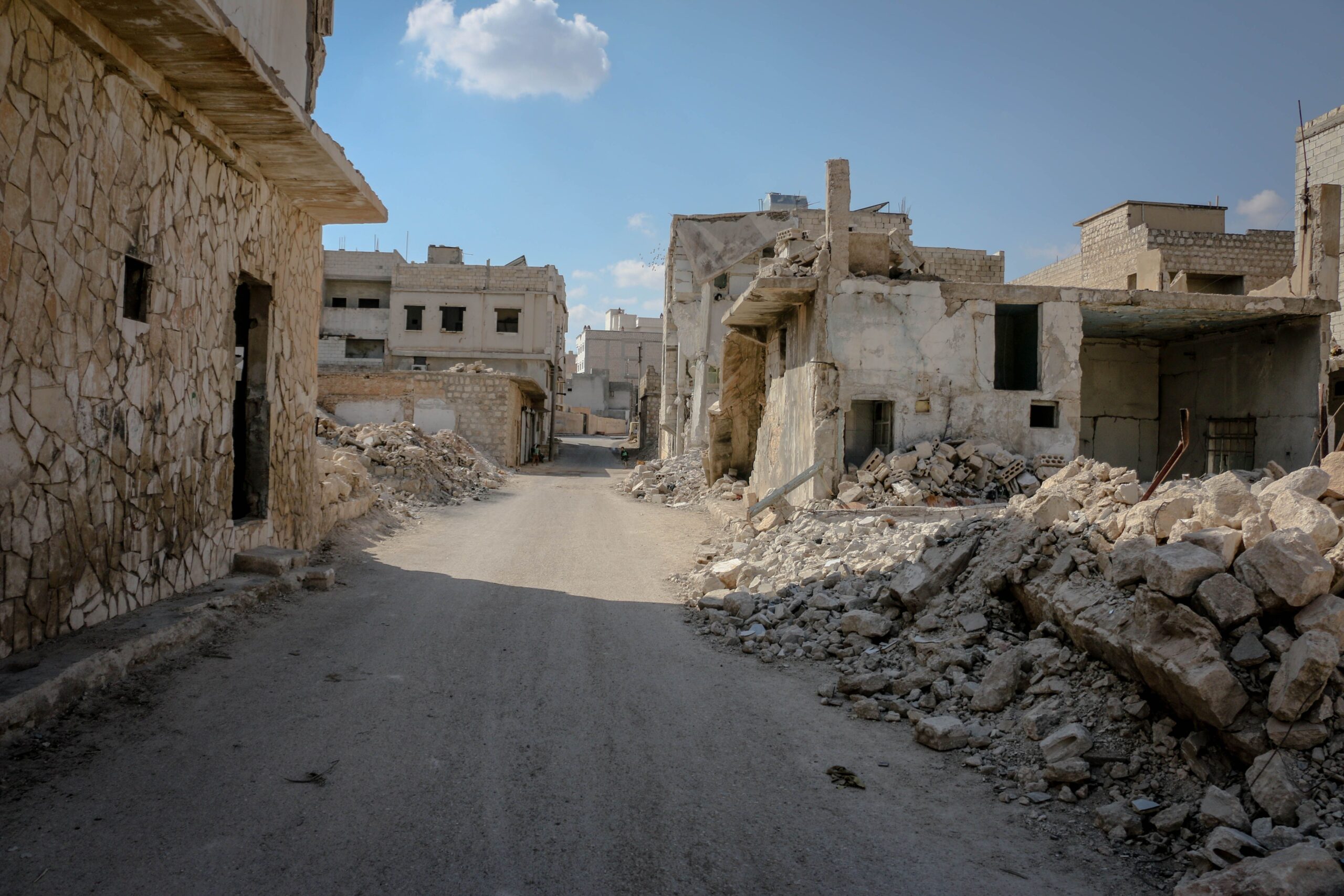
Despite the denial, the controversy underscores a deeper structural flaw identified by regional analysts. Nathan J. Brown, a political scientist, argues that by failing to address Palestinian representation, the current process is destined to result in a temporary arrangement rather than a durable political settlement. The critique suggests that without a recognized Palestinian political entity integrated into the governance structure, the international stabilization force and the Board of Peace risk becoming permanent occupiers or administrators rather than transitional partners.
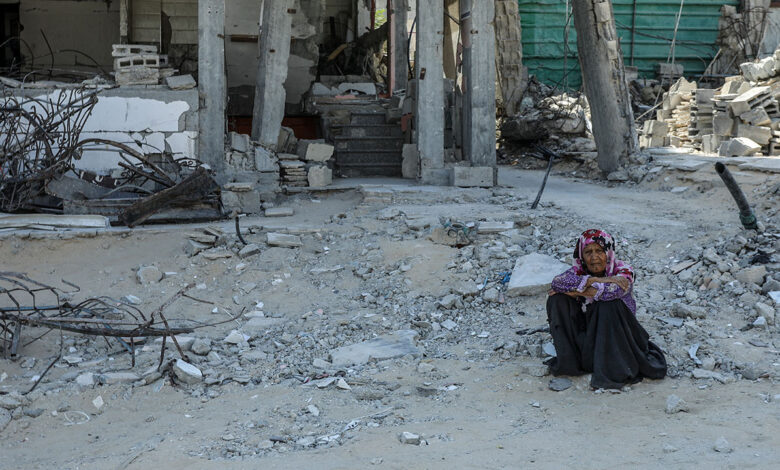
The significance of this dispute extends beyond curricula; it reflects the core geopolitical dilemma facing the post-war order in Gaza. The United States and its allies, including the UK, seek to solidify the cease-fire through institutional mechanisms like the Board of Peace. Their primary objective is to maintain security, facilitate reconstruction funding, and prevent a resurgence of conflict. However, the Palestinian leadership and various diplomatic observers contend that any arrangement that bypasses Palestinian political agency is inherently fragile. The refusal to clarify the role of Palestinian institutions in the new governance model creates a vacuum that could be exploited by non-state armed groups or lead to civil unrest.
Diplomats at the UN have voiced specific doubts regarding the feasibility of the plan’s implementation. Questions remain about the sequencing of Hamas disarmament, a prerequisite for many international donors to release reconstruction funds. The lack of a unified Palestinian political voice complicates negotiations with Israel and the international community, as the Board of Peace must now negotiate directly with local authorities or military commanders, a dynamic that lacks historical precedent for long-term stability.

Blair’s position remains firm on the necessity of international support. By framing the plan as a success in ending the war, he aims to lock in the current status quo, arguing that the alternative—returning to pre-war conditions—is unacceptable. However, the warnings from analysts like Brown suggest that diplomatic failure may be the inevitable outcome of a strategy that prioritizes immediate security over political legitimacy. If the Security Council backs the Board of Peace without addressing the deficit in Palestinian representation, the international community may find itself managing a permanent crisis of governance rather than resolving one.
As the Security Council deliberates, the focus returns to the practicalities of governance in Gaza. The denial of the curriculum allegation is a small victory for Blair’s team in managing public perception, but it does not resolve the fundamental question of who will govern Gaza in the years to come. The upcoming months will test whether the Board of Peace can translate its “strategically coherent” framework into a political reality that includes Palestinian stakeholders, or if it will remain an international administrative presence that fails to secure the long-term peace it was designed to protect.