

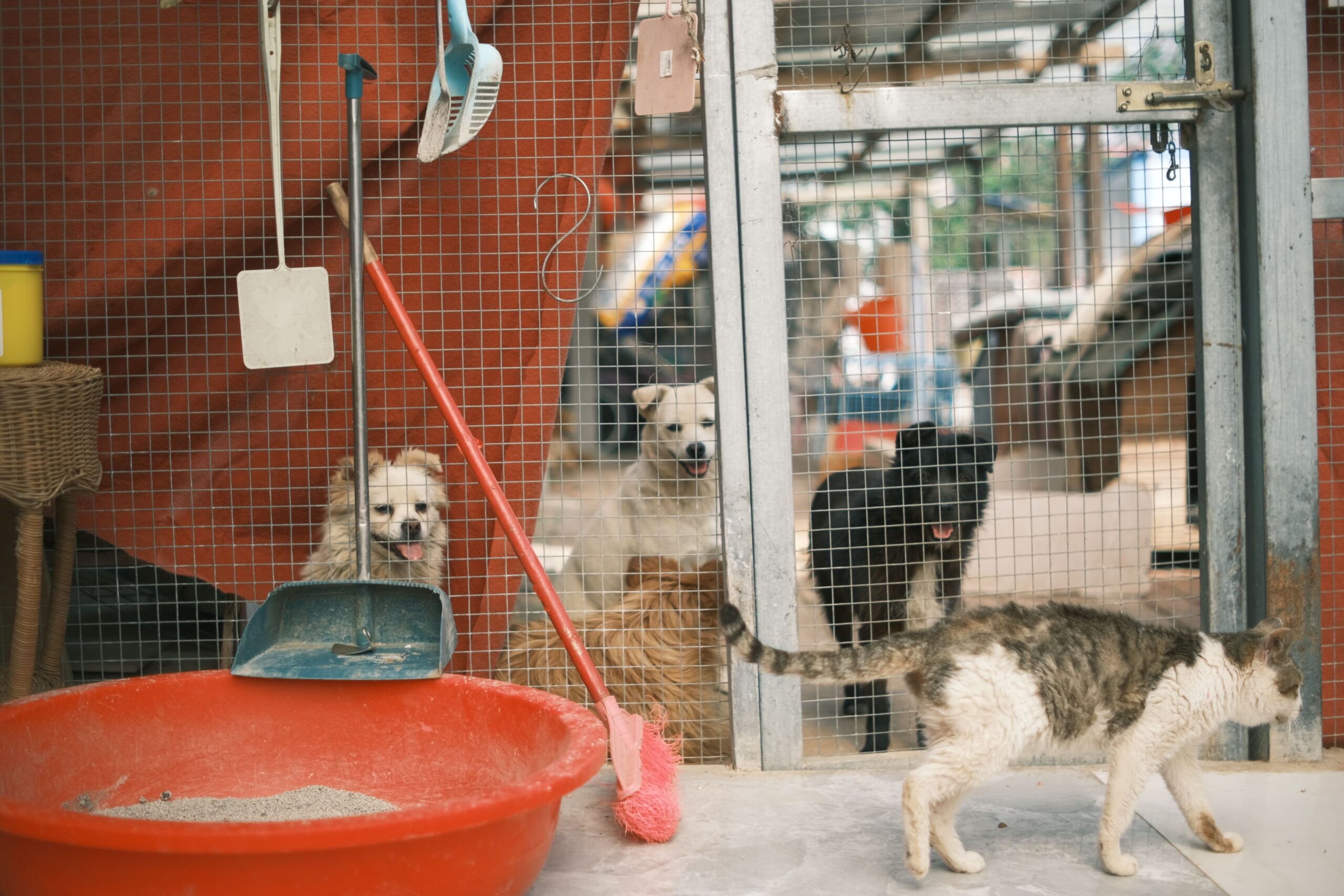
Olha Shylymina, the head of the shelter, stated that she managed to force the enclosure doors open during the attack, allowing some animals to escape. “We are on fire. We suffered an incoming strike… All the feed and supplies burned down,” Shylymina said. She described a “ring of fire” forming around the site, noting that while she saved five animals, others had huddled in corners and perished. The animal protection organization UAnimals confirmed that the fire also damaged the residential premises where Shylymina lived. The group is currently assessing how to assist the shelter and rescue surviving animals, including a cat that survived with burns.
The attack on the shelter was part of a series of overnight Russian strikes on the Odesa region. According to the State Emergency Service (DSNS), eight people were injured in the broader attacks. Residential buildings, a school, a dormitory, a gymnasium, and a production facility were damaged. Fires broke out at several locations, all of which were extinguished by emergency crews. The DSNS noted that rescue operations were complicated by repeated air raid alerts. Additionally, a manufacturing plant and warehouses in the region were targeted, with passenger and freight vehicles also damaged.
In the city of Odesa, separate overnight strikes targeted infrastructure. The Odesa City Military Administration reported that three trucks were destroyed and eight others damaged. A fire caused by the strikes was subsequently extinguished. The strikes occurred while Russian jet-powered drones targeted the area during a regional air raid alert.
The impact on civilian infrastructure and humanitarian assets has been a recurring feature of the conflict. Earlier in the conflict, a fire broke out at Sirius, one of Europe’s largest animal shelters in Kyiv Oblast, which cares for approximately 3,200 dogs and cats. That incident destroyed 20 enclosures and killed eight animals. Similarly, on June 15, a drone attack on the Kharkiv city zoo in the Shevchenkivskyi district damaged animal enclosures and left several animals injured, according to local officials.
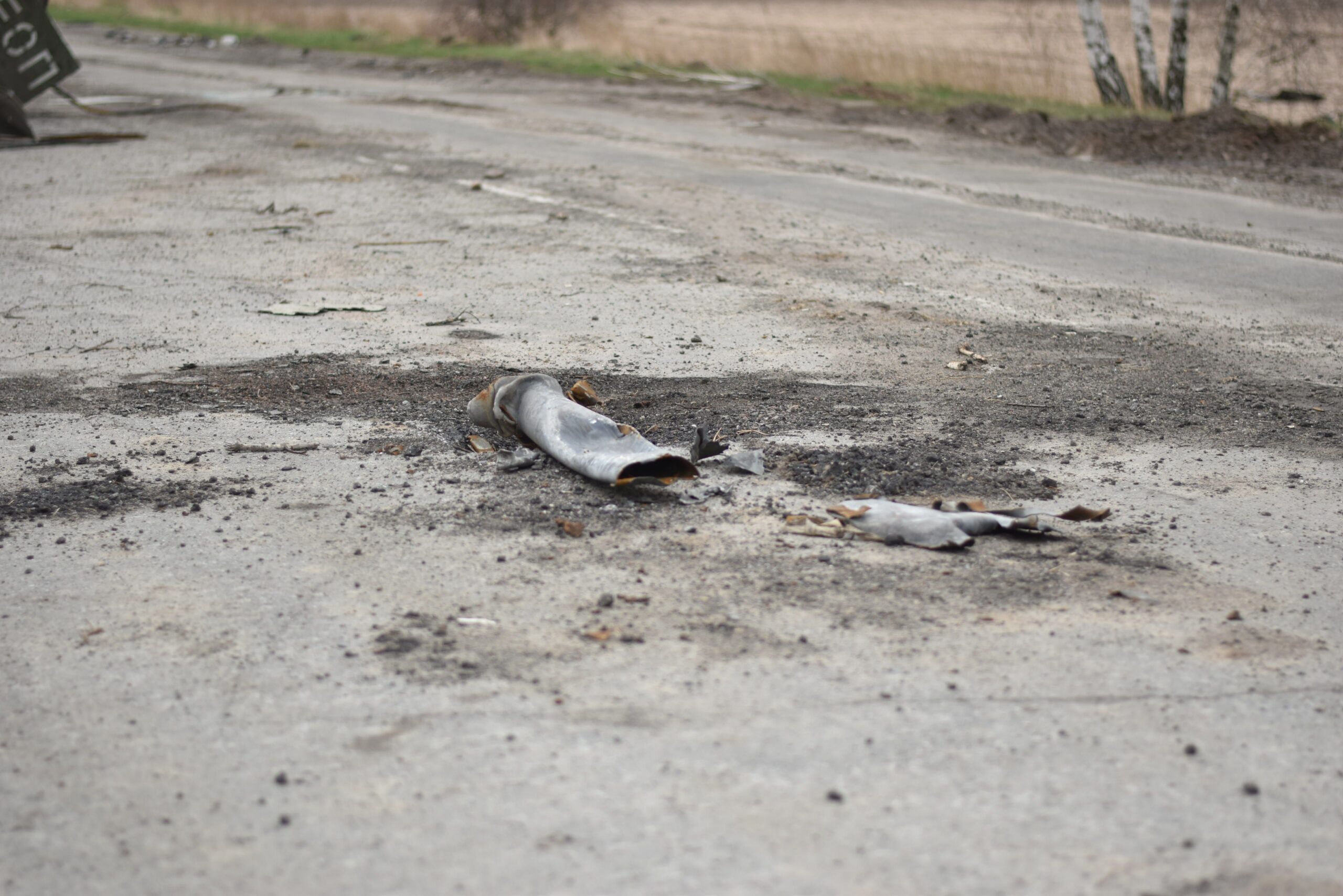
The direct strike on the “Loving Hearts” shelter highlights the vulnerability of non-military sites to aerial bombardment. While the immediate fire has been extinguished, the loss of critical supplies and the uncertainty regarding the status of the remaining animals pose ongoing challenges for local welfare organizations. UAnimals and other local groups are coordinating efforts to provide immediate aid to the surviving animals and the shelter staff.