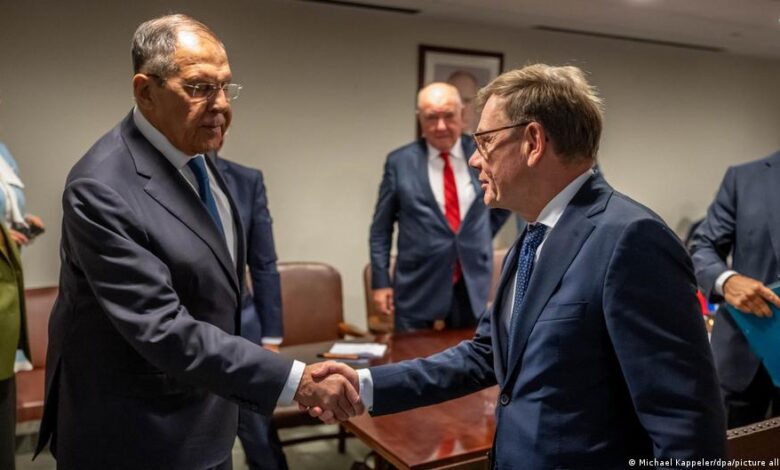
The timing of the meeting underscores the tension between maintaining diplomatic channels and managing immediate security threats. Wadephul stated that while the two sides did not reach agreement on key points, it was crucial to make clear that Germany does not accept incidents such as the drone attack, which he characterized as an unacceptable escalation. “We can defend ourselves, we can fight back. And that’s exactly what we’ll do,” Wadephul told German public television ZDF. A German official, who spoke on condition of anonymity, added that Wadephul called on the Russian Federation to abandon its “dangerous path of escalation” toward Germany, Europe, and NATO. The official further noted that the minister condemned Russia’s ongoing and targeted aggression against the Ukrainian civilian population, highlighting that “every month, tens of thousands of Russian soldiers die in a hopeless war of attrition, while the Russian economy continues to collapse.”
The diplomatic friction has been compounded by a cycle of retaliatory measures. Following the accusations regarding the Leipzig drone attack, Germany imposed sanctions, including the closure of Russia’s consulate in Bonn. Moscow responded in kind by closing Germany’s consulate in St. Petersburg. Tensions also surfaced earlier in the week during a UN Security Council meeting, where Wadephul slammed “Russia’s reckless and dangerous escalation in Europe,” while Lavrov accused Europe of employing “criminal methods.” Despite these clashes, the German government emphasized that hybrid attacks would not shake its determination to support Ukraine, though they would further damage already severely strained bilateral relations.
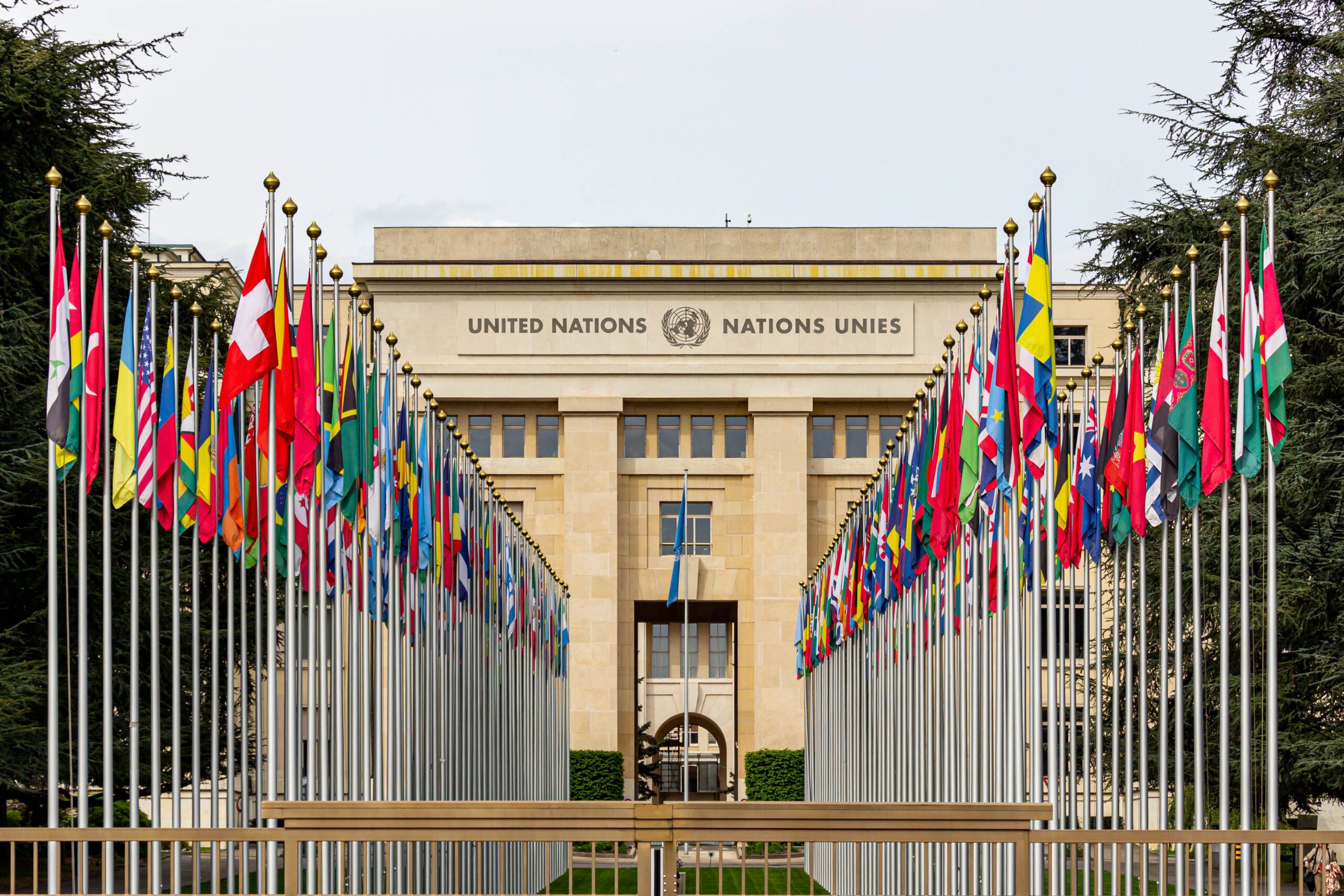
The narrative surrounding the meeting itself has become a point of contention. While Wadephul told ZDF that he agreed to the meeting after Lavrov signaled a willingness to engage through third-party intermediaries, Russian Foreign Ministry spokesperson Maria Zakharova claimed that it was Wadephul who had requested the meeting. Zakharova also pointed to a polemic report questioning the authenticity of the Bucha massacre, suggesting it was raised during the talks, though no detailed readout was immediately provided by the Russian side.
A Shift in Strategic Context
This diplomatic overture is occurring as the broader geopolitical landscape shifts. The United States recently issued an invitation to Russian President Vladimir Putin for the G20 summit in Miami in December, raising the possibility of negotiations between Putin and Ukrainian President Volodymyr Zelenskyy. While some European leaders criticized this invitation, Wadephul welcomed the initiative, describing it as “a litmus test for Putin.” This engagement reflects a broader effort by Western allies to jumpstart peace talks, even as Germany navigates its own security concerns and its role in the ongoing conflict.
The meeting marks a stark contrast to the relationship’s history. For decades, Germany and Russia maintained a close partnership, with Russia supplying cheap energy that supported German industrial exports. This dynamic, which persisted even after Russia’s annexation of Crimea in 2014 and the signing of the Nord Stream 2 pipeline agreement, was fundamentally shattered by the 2022 invasion. Chancellor Olaf Scholz subsequently declared a “Zeitenwende,” or epochal shift, in German foreign and security policy. Since then, Germany has ended its energy dependence on Russia, expanded its armed forces, and reduced trade relations to a minimum under a series of EU sanctions.

Domestically, the relationship remains polarized. While the current government maintains a firm stance against aggression, the far-right Alternative for Germany (AfD) party has called for a normalization of relations. Experts note that previous assumptions about the rationality of the Russian regime were flawed, as it pursued imperialist ambitions despite the high economic and political costs of war. As Germany continues to support Ukraine and confront hybrid threats, the recent meeting in New York serves as a narrow, high-stakes channel for communication, devoid of the broader economic and cultural cooperation that once defined the bilateral relationship.
The next phase of these interactions will likely be shaped by the outcome of the G20 summit and the continued implementation of sanctions. While direct dialogue has been re-established, the fundamental disagreements over Ukraine and European security remain unresolved, leaving the trajectory of German-Russian relations fragile and highly dependent on further developments in the conflict.