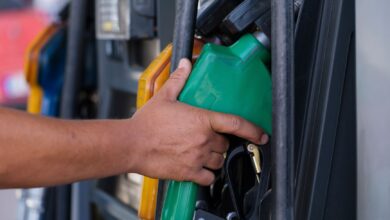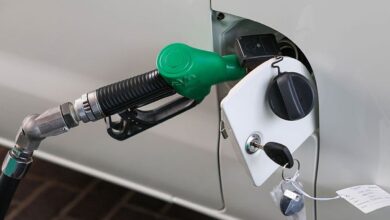
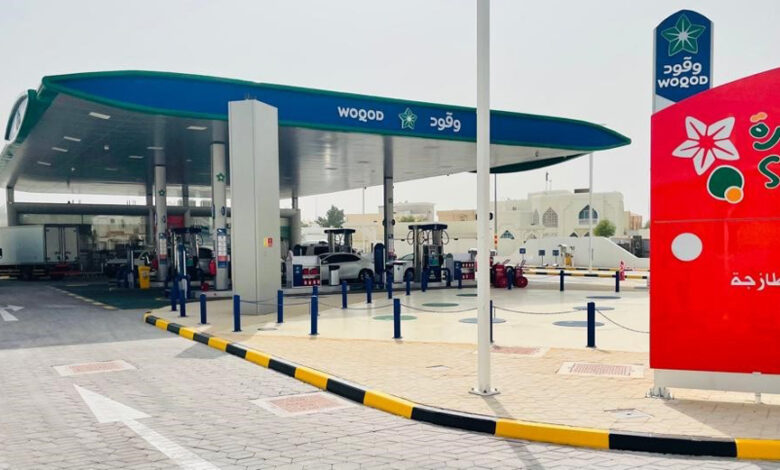
The pricing structure, released via the Qatar News Agency (QNA) and confirmed by the Gulf Times, sets the cost of diesel at Qatari Riyal (QAR) 2.05 per liter. Super Gasoline, the higher-octane 95-octane grade, remains fixed at QAR 2.10 per liter. The most notable shift in this announcement is the reduction in the price of Premium Gasoline (91-octane), which is now set at QAR 1.95 per liter.
This pricing decision reflects the broader dynamics of the Gulf energy market, where domestic fuel prices are often adjusted to align with global crude oil benchmarks while considering local economic conditions and consumer affordability. By holding the prices of the two most commonly used fuels—diesel for commercial transport and heavy industry, and 95-octane for high-performance vehicles—stable, QatarEnergy provides predictability for businesses and consumers who rely on these fuels for daily operations.
The reduction in the price of 91-octane gasoline, while a smaller segment of the market, indicates a responsive adjustment to market conditions. This slight decrease may reflect shifts in the global supply and demand balance for refined petroleum products or strategic pricing adjustments aimed at maintaining competitive positioning within the domestic market. For vehicle owners who prefer the 91-octane grade, this represents a direct, albeit modest, reduction in monthly fueling costs.
Market Context and Consumer Impact
The stability in diesel prices is particularly significant given the fuel’s critical role in the region’s logistics, construction, and power generation sectors. Diesel remains the primary fuel for heavy machinery and commercial fleets, meaning that price volatility in this segment can have cascading effects on transportation costs and, ultimately, the price of goods and services. By keeping diesel at QAR 2.05 per liter, the energy authority helps to insulate the local economy from potential inflationary pressures associated with rising fuel costs.
Similarly, the steady price of Super Gasoline (95) ensures that consumers of premium vehicles face no additional financial burden during this period. The consistency in these two major categories suggests that the underlying cost of refining and distribution has remained relatively constant, or that market forces have offset any increases in crude oil input costs.
For the general public, the fuel price revision takes effect from October 1, 2026. The pricing is applied uniformly across all retail outlets in Qatar. The distinction between the grades is clear: 91-octane (Premium) is now the most affordable option at QAR 1.95, followed by diesel at QAR 2.05, and 95-octane (Super) at the top of the range at QAR 2.10. This tiered structure allows consumers to choose fuel grades based on their vehicle requirements and budget constraints.
The announcement follows a standard quarterly or monthly review process, where fuel prices are reassessed based on international oil prices, exchange rates, and local market conditions. The fact that two of the three major fuel grades remain unchanged suggests a balanced approach to pricing that prioritizes market stability over aggressive adjustments.
As the Gulf region continues to navigate the complexities of the global energy transition, domestic fuel pricing remains a key indicator of economic health and consumer confidence. The current pricing structure in Qatar reflects a mature market with established mechanisms for adjusting to global shifts, ensuring that domestic consumers and businesses can plan their expenditures with a degree of certainty.
There are no immediate indications of further drastic changes in the near term, with the next pricing review expected to follow the standard schedule. The current stability provides a calm baseline for the October period, allowing economic activity to proceed without the volatility often associated with rapid fuel price fluctuations.