
According to local municipal authorities, the impact of the strikes resulted in injuries to three individuals: a man born in 1965, and women born in 1970 and 1989. While the specific nature of their injuries was not detailed in the immediate official statement, the incident underscores the continued threat posed by aerial bombardment to civilian populations in contested regions of eastern Ukraine. The strikes also damaged more than ten multi-story residential buildings, posing ongoing risks to residents regarding structural integrity and potential utility disruptions.
Among the facilities damaged was the Administration of Labor and Social Protection of the Population (Upravlennye Prazi ta Sotsialnoho Zakhystu Naselennya), a government body responsible for overseeing employment services and social welfare programs for the local population. The destruction of such administrative infrastructure complicates the delivery of essential humanitarian aid and state services to the displaced and vulnerable residents of the region. Additionally, four educational institutions sustained damage, potentially disrupting schooling for local children and forcing families to seek alternative learning environments or evacuation.
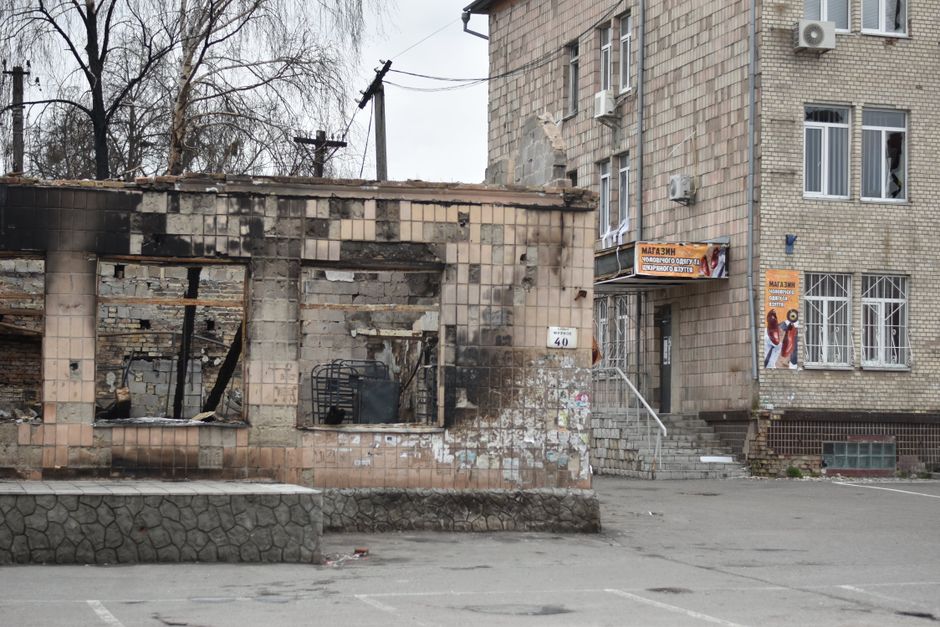
Local officials stated that Russian forces utilized cluster bomb units (KABs) for the attacks, specifically citing models with warhead weights of 250 and 500 kilograms. The use of cluster munitions is a significant tactical and humanitarian concern, as these weapons disperse submunitions over a wide area, often leaving unexploded ordnance that poses a long-term danger to civilians long after the initial strike. The precision of such weapons in densely populated urban areas, where residential, educational, and administrative buildings are closely situated, raises questions about the distinction between military and civilian targets, a core principle of international humanitarian law.
Kramatorsk, located in the northeastern part of the Donetsk region, has frequently been subjected to aerial bombardment throughout the conflict. Its proximity to the front lines and its role as a logistical and administrative hub make it a recurring target. The pattern of attacks on social and educational infrastructure reflects a broader strategy of degrading the civilian support systems that sustain the population in areas under intense military pressure. The damage to the social protection office is particularly significant, as it directly impairs the government’s ability to provide immediate relief and support to those affected by the ongoing hostilities.
The incident highlights the persistent vulnerability of civilian infrastructure in Ukraine’s eastern regions. Despite efforts by local authorities to reinforce key buildings and coordinate emergency responses, the regularity and intensity of aerial strikes continue to strain local resources. Emergency services and municipal workers have been tasked with assessing the structural safety of the damaged residential buildings and clearing debris from the affected areas. The long-term impact of these attacks extends beyond immediate physical damage, affecting the psychological well-being of residents and the stability of local communities.

International observers and humanitarian organizations continue to monitor the situation in Kramatorsk and the wider Donetsk region, calling for the protection of civilian infrastructure and the cessation of attacks on non-military targets. The use of cluster munitions in urban environments remains a subject of intense scrutiny, given the severe and prolonged humanitarian consequences. As the conflict persists, the resilience of local institutions and the capacity of emergency services to respond to repeated strikes will be critical in minimizing further civilian harm and maintaining basic levels of service delivery in affected areas.
The aftermath of the September 30 strikes on Kramatorsk serves as a stark reminder of the human cost of the conflict, where the boundaries between military operations and civilian life remain blurred. The damage to social and educational facilities not only disrupts daily life but also undermines the foundational services necessary for community survival and recovery. The ongoing destruction of such infrastructure demands sustained attention from both domestic authorities and the international community to ensure that the rights and safety of civilians are upheld amidst the continuing hostilities.
