
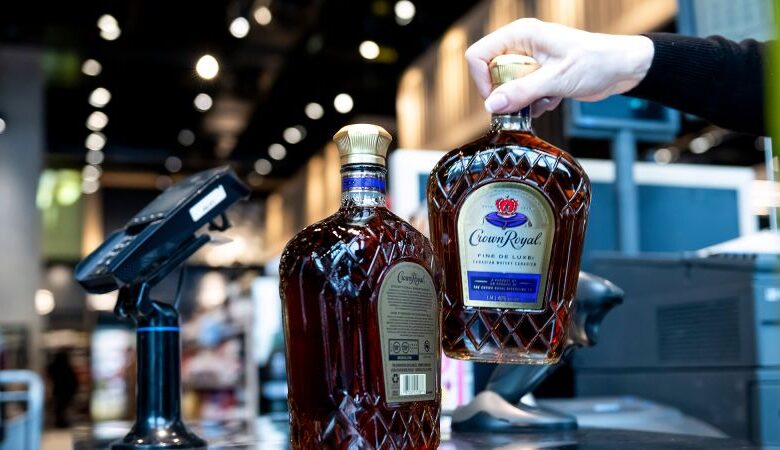
The ban was established through executive orders signed by President Donald Trump on September 8, citing “continued discrimination” by Canada against US dairy, automotive, and alcohol products. Trump accused Canada of treating the United States “very unfairly,” stating that he expects Canada to approach Washington with a deal within the next three to four weeks. However, Canadian Prime Minister Mark Carney has not indicated any intent to withdraw Canadian tariffs or resume talks immediately, describing the US import bans as “relatively modest measures” compared to other trade actions already in place.
The primary commercial impact falls on the alcohol sector, where roughly 93% of Canadian liquor exports in 2025 are destined for the US market. The ban affects approximately $800 million in annual imports of Canadian alcoholic beverages. However, the immediate disruption to US shelves is expected to be limited due to logistical exemptions and prior stockpiling. Whisky and liqueurs sold in containers larger than four liters are exempt from the ban and associated tariffs. Large producers such as Crown Royal, which already ships bulk whisky to the US for domestic bottling, are particularly well-positioned to navigate these rules. For smaller producers, however, the requirement to switch to larger containers or source new packaging may increase operational costs, potentially affecting consumer prices.
Dairy products, specifically whey used in protein powders, are also subject to the ban. The motorcycle sector faces a more limited impact, with Canada exporting only about 5,000 units worth approximately C$120 million to the US in 2025, according to Statistics Canada. Derek Holt, an economist at Scotiabank, characterized the measures as “face-saving” for the US administration rather than substantively damaging to the broader economic relationship. He noted that while the actions are a positive signal of limited intent to escalate further, they add a layer of uncertainty to Canada’s trade relationship with its largest partner.
Industry reactions have been mixed. Chris Swonger, president and CEO of the Distilled Spirits Council of the United States, described the industry being “pulled into this” trade conflict as “really unfortunate.” He expressed hope that the reciprocal bans would force a policy change in Canada, which has restricted US alcohol in provinces like Ontario. Inu Manak, a senior fellow at the Peterson Institute for International Economics, called the use of import bans against an ally “unprecedented” and a “major deviation from US trade policy.” He viewed the move as symbolic escalation aimed at compelling Canadian negotiators to return to the table, though he noted that Prime Minister Carney is not under pressure to agree to a deal before the US midterm elections.
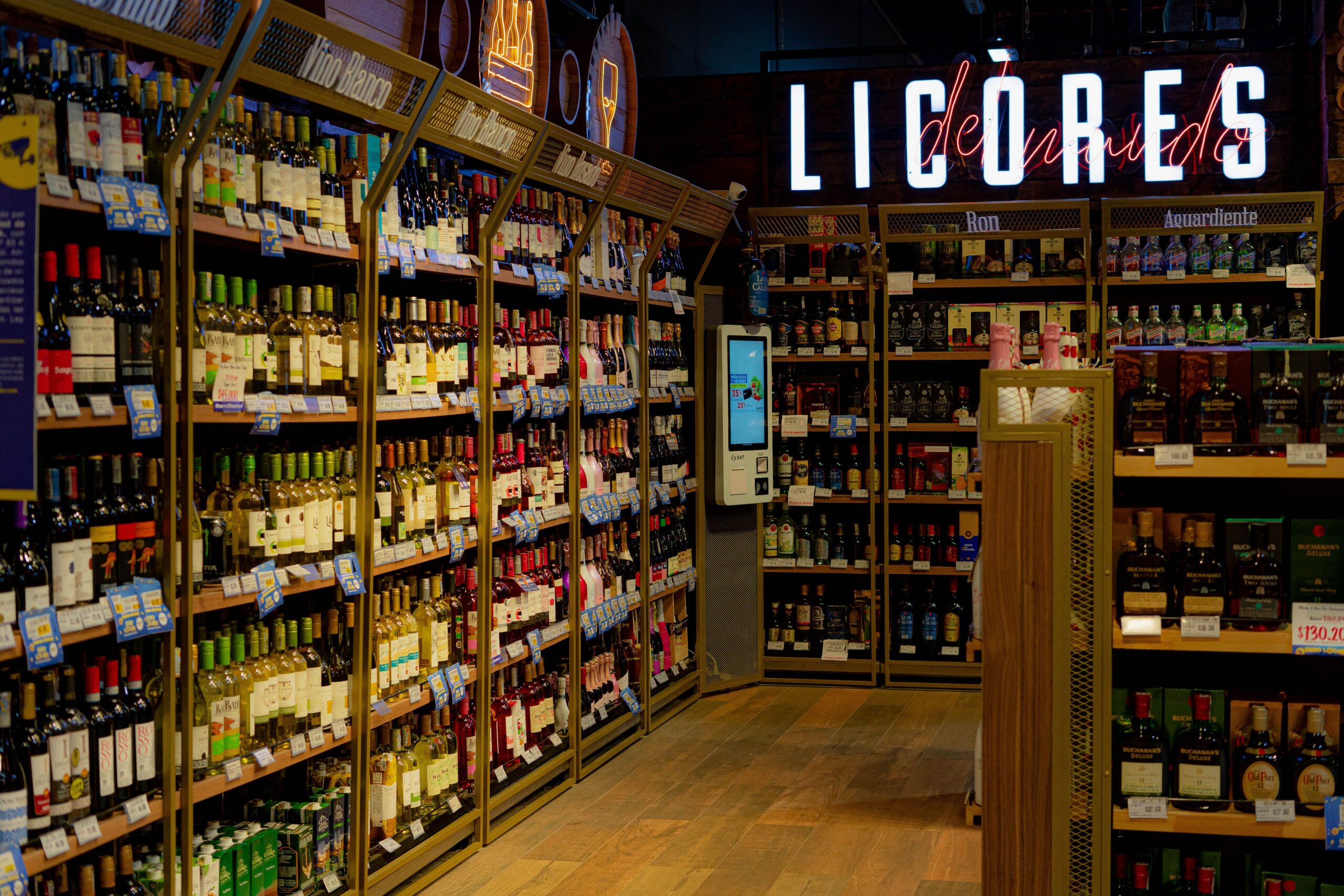
Trade representatives from both sides maintain that dialogue continues, though without urgency. US Trade Representative Jamieson Greer stated that President Trump is “comfortable” with the current state of relations, noting that while there are conversations about potential deals, there is no immediate deadline for resolution. The next significant development will likely hinge on whether Canadian officials initiate new negotiations or if the US enforces further retaliatory measures in response to ongoing Canadian tariffs.