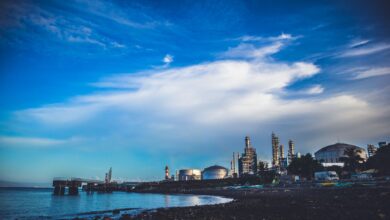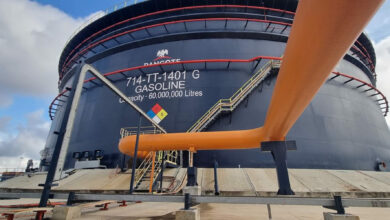

This stability is not the result of a return to normalcy, but rather the product of an intricate and often clandestine network of alternative supply routes. Saudi Arabia and other Gulf producers quickly pivoted to unused pipeline capacity when standard maritime routes were blocked. For Riyadh, this meant relying on the East-West pipeline, which transports crude to the Red Sea port of Yanbu. From there, tankers navigate through the Bab el-Mandeb Strait toward Asian markets. Similarly, the United Arab Emirates utilized its pipeline infrastructure that cuts across neighboring Oman to the port of Fujairah, a route that effectively skirts the contested waters of the Strait of Hormuz. State oil companies, including ADNOC and Saudi Aramco, mobilized this spare capacity in the war’s first weeks to prevent a total collapse in exports.
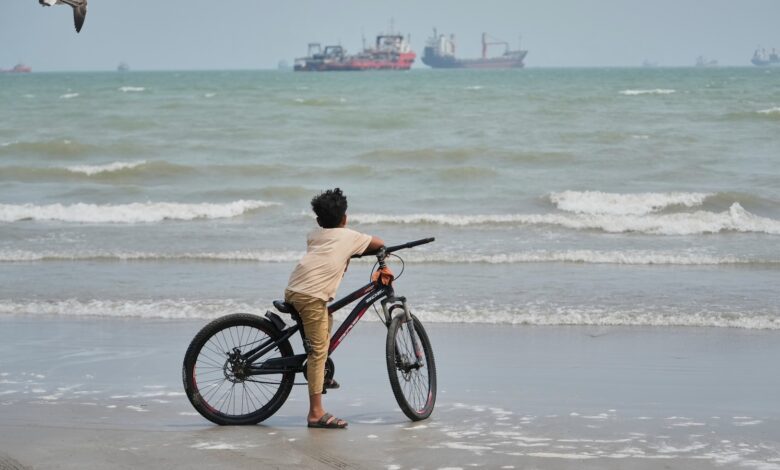
As Iran and its militant allies began targeting these alternative infrastructure nodes, the response involved a complex “whack-a-mole” strategy involving both oil exporters and the U.S. military. By May, a new dynamic emerged as ship operators willing to accept the risk of Iranian attack began utilizing a U.S.-supervised route near Oman. Defying Tehran’s demands to use a vetted Iranian route, these vessels operated at night with location systems and mobile phones disabled, shuttling cargo to tankers waiting outside the strait. This clandestine operation allowed flows from Kuwait, Iraq, and the UAE to rise again, keeping the pipeline of global trade from snapping completely.
The ability to maintain these flows has come at a significant cost. The workarounds are expensive and may not be sustainable in the long term. A critical component in keeping prices from reaching panic levels has been the drawing down of existing commercial oil stocks, particularly by China. However, these buffers are finite and cannot be relied upon indefinitely. Furthermore, Iran retains the potential to gain leverage through continued attacks on key oil facilities, which could disrupt the very pipelines and ports that currently sustain global supply.
The disruption has forced a fundamental restructuring of global trade patterns. The International Energy Agency (IEA) has revised its market outlook, anticipating that both global supply and demand will contract in 2026 as the energy system adjusts to the new reality. McKinsey & Company has suggested that such energy security measures, while effective in the short term, could offset up to 70% of oil flows in the event of a future, more prolonged disruption. The current system has absorbed much of the shock through temporary buffers and changes in trade flows, but the underlying infrastructure remains vulnerable.
As the conflict enters its second half, the focus shifts from immediate survival to long-term viability. The U.S. naval blockade and tightened sanctions continue to smother Iran’s own economy, diminishing its leverage over the strait. Yet, for the Gulf producers, the reliance on bypass pipelines and high-risk maritime maneuvers is a costly stopgap. The next phase of this energy crisis will be defined not just by military outcomes, but by the durability of these logistical workarounds and the depth of the remaining global oil reserves.