
This production growth is expected to translate directly into financial performance. TotalEnergies projects a strong increase in free cash flow of approximately $10 billion from 2025 to 2030, assuming a constant price deck. This financial uplift is equivalent to more than $4 per share, providing a clear metric for investors regarding the tangible benefit of the company’s operational expansion. The board has committed to a dividend increase of more than 5% per year until 2030, while maintaining a shareholder return of 40% of cash flow. This approach aims to deleverage the company, with a gearing ratio of less than 10% anticipated by the end of 2026.
The financial strategy is underpinned by concrete operational moves. In the fourth quarter of 2026, TotalEnergies plans to execute $2.5 billion in share buybacks, with an additional $2 billion to $2.5 billion in buybacks scheduled for subsequent periods. These actions are part of a broader effort to return capital to shareholders while maintaining the liquidity necessary for ongoing investments. The company emphasizes that this growth is “cash accretive,” meaning the new projects are designed to generate returns that exceed the cost of capital, ensuring that expansion strengthens rather than dilutes financial health.

Operational Expansion and Investment Horizon
To support this long-term growth, TotalEnergies is planning net investments of between $14 billion and $17 billion per year over the period of 2027 and 2032. This substantial capital expenditure reflects the company’s ambition to maintain its position in a competitive global energy market. A key milestone in this operational strategy is the announcement of a Final Investment Decision (FID) for the Absheron Full Field Development in Azerbaijan. This project is a critical component of the company’s upstream portfolio, contributing to the targeted 4% annual production growth.
The strategy explicitly balances growth with environmental considerations. TotalEnergies describes its objective as delivering “more energy, less emissions, more free cash flow.” This triad highlights the company’s attempt to navigate the dual pressures of meeting rising global energy demand while adhering to decarbonization goals. The focus on both oil, gas, and electricity production indicates a diversified approach to energy supply, rather than a singular reliance on hydrocarbons.
The presentation in New York provided a clear roadmap for the next five years, with visibility extending to the 2035 horizon. By confirming its growth objectives, TotalEnergies aims to provide stability to investors and partners in an energy sector marked by volatility. The commitment to deleveraging the company, with a gearing ratio anticipated to fall below 10% by the end of 2026, suggests a balance sheet that is prepared to withstand market fluctuations while funding aggressive expansion.
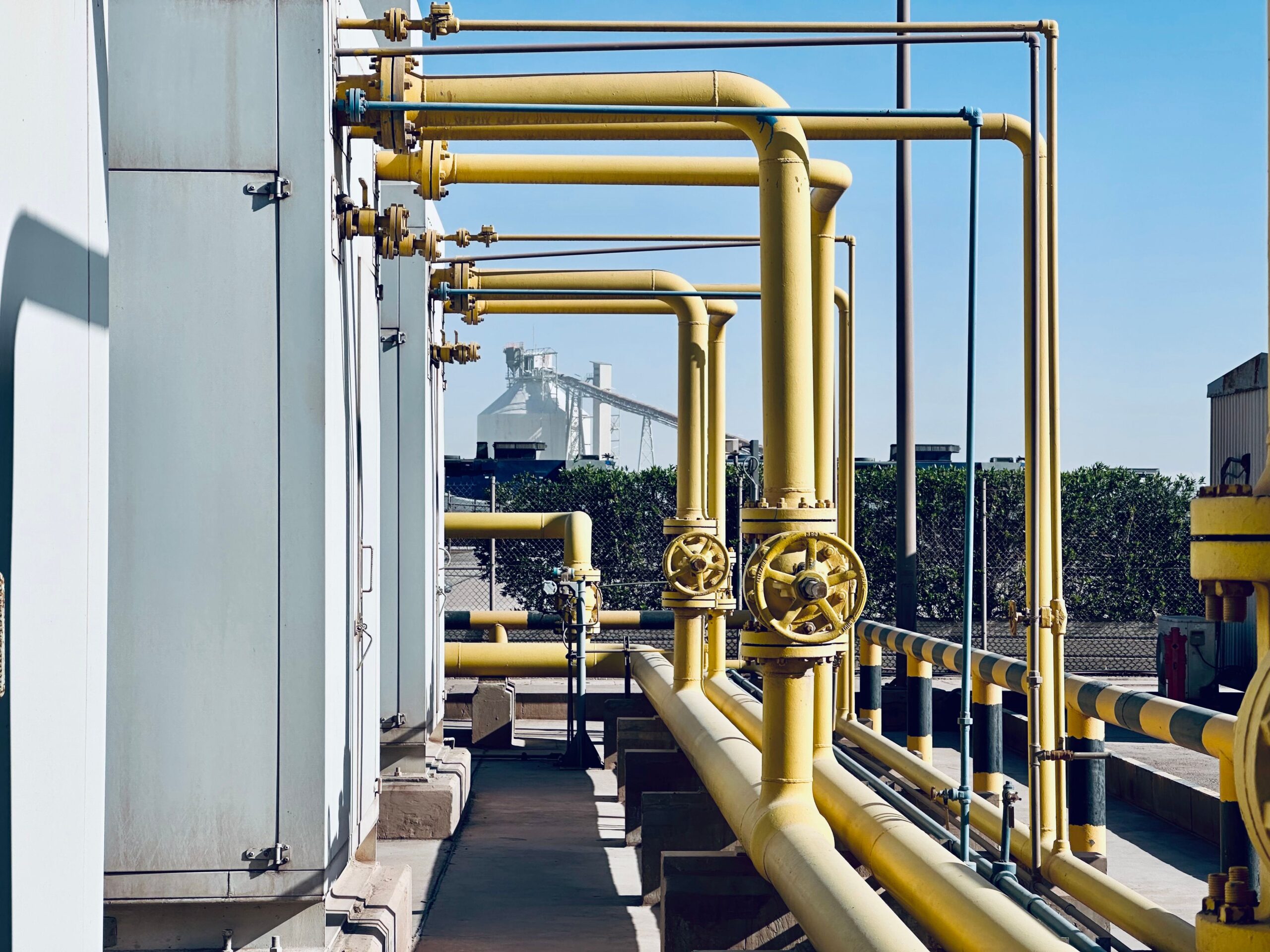
The Absheron field development in Azerbaijan serves as a tangible example of the company’s upstream strategy. As one of the key assets driving the 4% annual production growth, the FID for this project underscores TotalEnergies’ continued focus on high-margin, proven reserves. The integration of this asset into the broader portfolio supports the company’s claim of having “very good visibility” on its capacity to grow energy production beyond 2030.
As TotalEnergies moves forward with its 2026 and 2030 targets, the focus remains on executing these investments efficiently. The planned net investments of $14 billion to $17 billion annually will determine whether the projected $10 billion increase in free cash flow materializes. For shareholders, the promise of a dividend increase of more than 5% per year and significant share buybacks provides a direct link between the company’s operational success and their financial returns. The next verified development will be the execution of the $2.5 billion share buyback in the fourth quarter of 2026 and the progress of the Absheron field development, which will serve as key indicators of the strategy’s effectiveness in the coming months.