
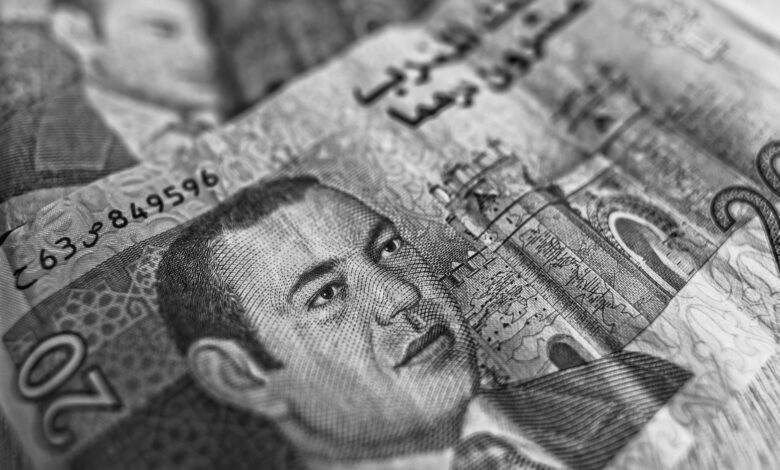
The currency’s value has eroded at an accelerated pace, with the euro gaining more than 10 dinars against the Algerian currency over a five-day period. Analysts suggest the downward trajectory may continue, with observers noting that the 300 DZD per euro level could be reached in the near term. This volatility has intensified public concern regarding the stability of the national currency and its impact on daily economic life.
The depreciation of the dinar is directly linked to rising inflation and a significant contraction in consumer purchasing power. As the cost of imported goods and essential commodities increases, households face heightened financial strain. The economic situation has become a dominant topic of public discourse, shifting focus from regional geopolitical ambitions to domestic economic survival. The disparity between the official and parallel market rates underscores the difficulty in maintaining currency stability amid structural challenges.
Despite Algeria’s status as a major energy exporter in Africa, the current monetary crisis highlights limitations in translating oil wealth into broad-based economic resilience. The rapid loss of value in the dinar exposes underlying systemic issues that have persisted despite the country’s strong hydrocarbon revenues. The current trajectory suggests that traditional reliance on energy exports is insufficient to buffer against currency volatility and inflationary pressures.
President Abdelmadjid Tebboune recently addressed the public during a visit to Constantine, though specific economic policy details or immediate interventions to stabilize the currency were not detailed in the available reports. The government’s response to the currency crisis remains under scrutiny as the dinar continues to face downward pressure. The situation has raised questions about the effectiveness of current monetary policies in managing inflation and preserving the value of the national currency.
The immediate commercial consequence of the dinar’s decline is a significant increase in the cost of foreign currency, which impacts businesses reliant on imports and consumers purchasing priced goods. The rapid movement in exchange rates has created uncertainty for market participants and complicates financial planning for both individuals and corporations. Without clear policy adjustments or structural reforms, the pressure on the dinar may persist, further eroding consumer confidence and economic stability.
The next critical development will depend on the central bank’s actions and any forthcoming policy announcements aimed at curbing the currency’s decline. Market participants are closely monitoring official statements and potential interventions to gauge the direction of the dinar’s value. The outcome of these measures will be pivotal in determining whether the currency can stabilize or if the depreciation trend will continue to impact the broader economy.