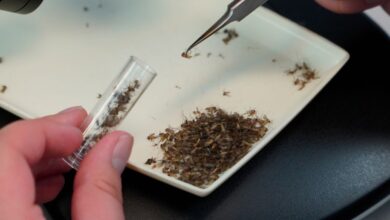

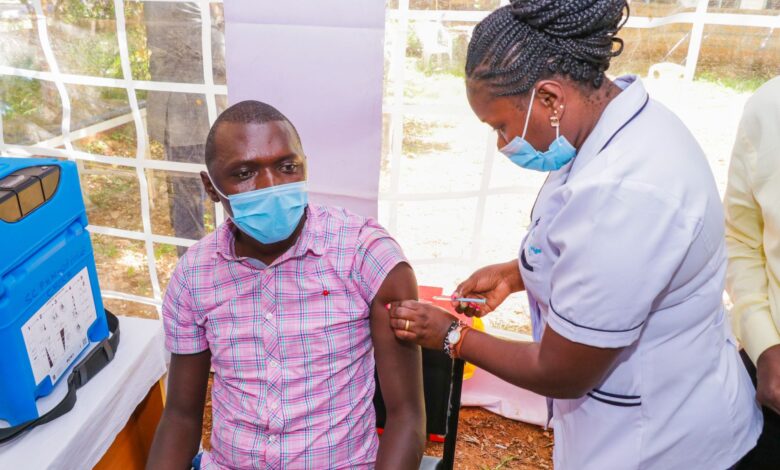
In Bunia, Ghebreyesus arrived on Saturday to meet with local officials and stakeholders. The visit was framed not as an imposition of external directives, but as a commitment to listening. “We are here to listen,” Ghebreyesus stated to reporters, emphasizing that communities understand their own challenges and solutions. “Our role is to support you in implementing those solutions, together.” This approach highlights a critical shift in public health strategy, where “community ownership” is viewed as the primary mechanism for ending the outbreak. The DRC government, represented by Prime Minister Judith Suminwa, has agreed that this collaborative model is essential for bringing the crisis under control.
The medical urgency of the situation in Ituri province is significant. Current data indicates that there are 906 suspected cases of Ebola in the DRC, with 223 suspected deaths. While the WHO confirmed 134 cases and 18 deaths across the DRC and neighboring Uganda on Friday, the gap between confirmed and suspected figures suggests that the scale of the outbreak may be larger than laboratory-verified numbers indicate. The virus has also spread to two new health zones, complicating containment efforts. Ghebreyesus addressed the specific cultural and emotional challenges of the outbreak, noting that certain traditional practices, such as touching the bodies of the deceased, can facilitate viral transmission. “Protecting each other, even in grief, is one of the hardest and most important things we can do,” he said, acknowledging the difficulty of balancing mourning with safety protocols.
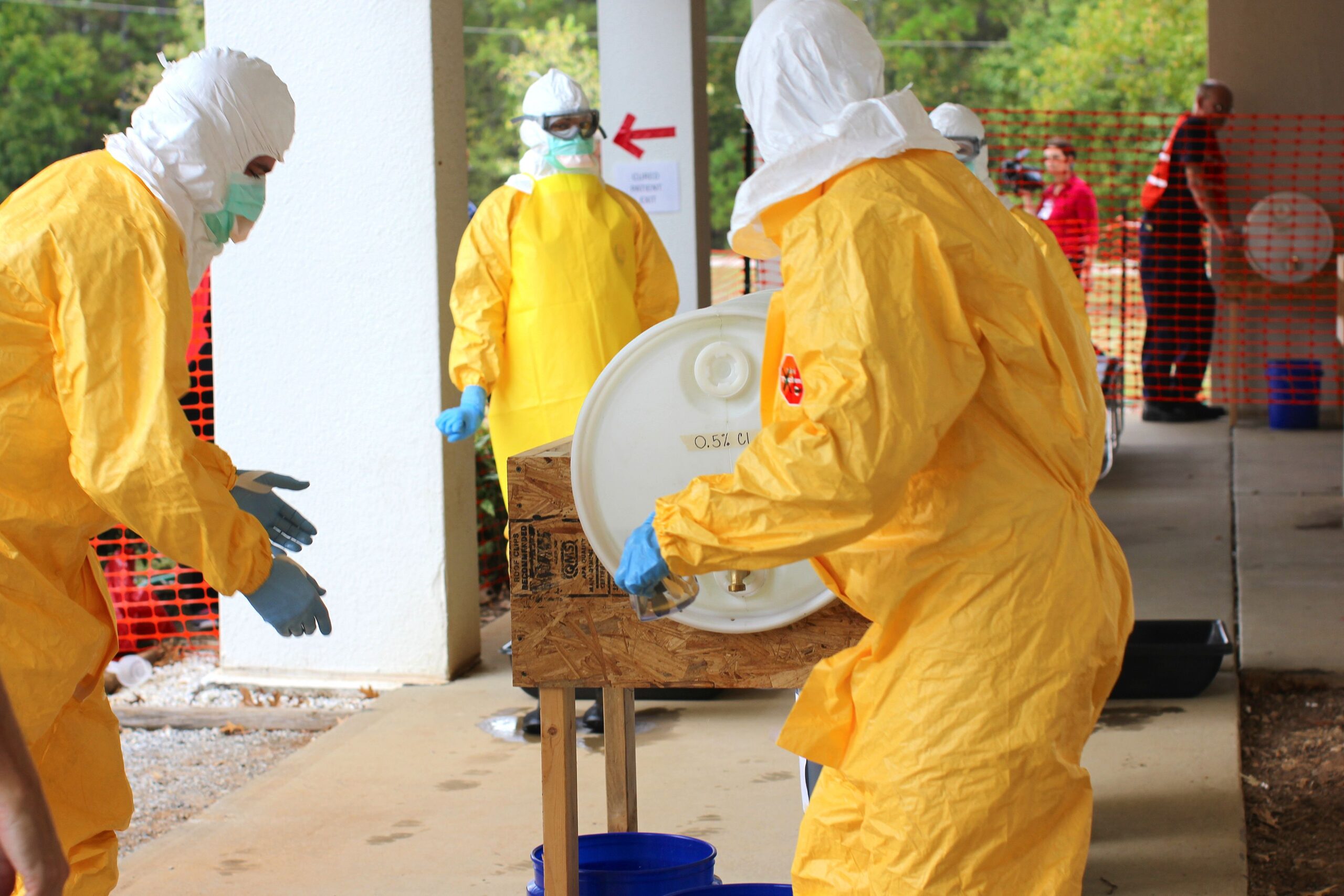
Despite the severity of the current crisis, Ghebreyesus pointed to historical precedent for confidence. The DRC has faced Ebola outbreaks 16 times previously and successfully ended each one. “This is the seventeenth,” Ghebreyesus noted. “That history gives me real confidence.” The WHO has stated it will remain alongside the DRC for “as long as it takes,” and discussions with the DRC government have included using this outbreak as an opportunity to strengthen the health system in Ituri and other provinces, improving general services and emergency preparedness.
While the fieldwork in Bunia addresses the immediate biological threat, Ghebreyesus’s recent activities in New York highlight the broader political landscape of global health. During the UN General Assembly week, a Presidential Roundtable convened at the Mutual of America, bringing together leaders from diplomacy, business, and public health. At this event, Chairman Kamel Ghribi and U.S. Congressman Abraham Hamadeh presented Ghebreyesus with the United States Award for Global Health Leadership. The award was cited as recognition of his work in advancing health access and international cooperation.
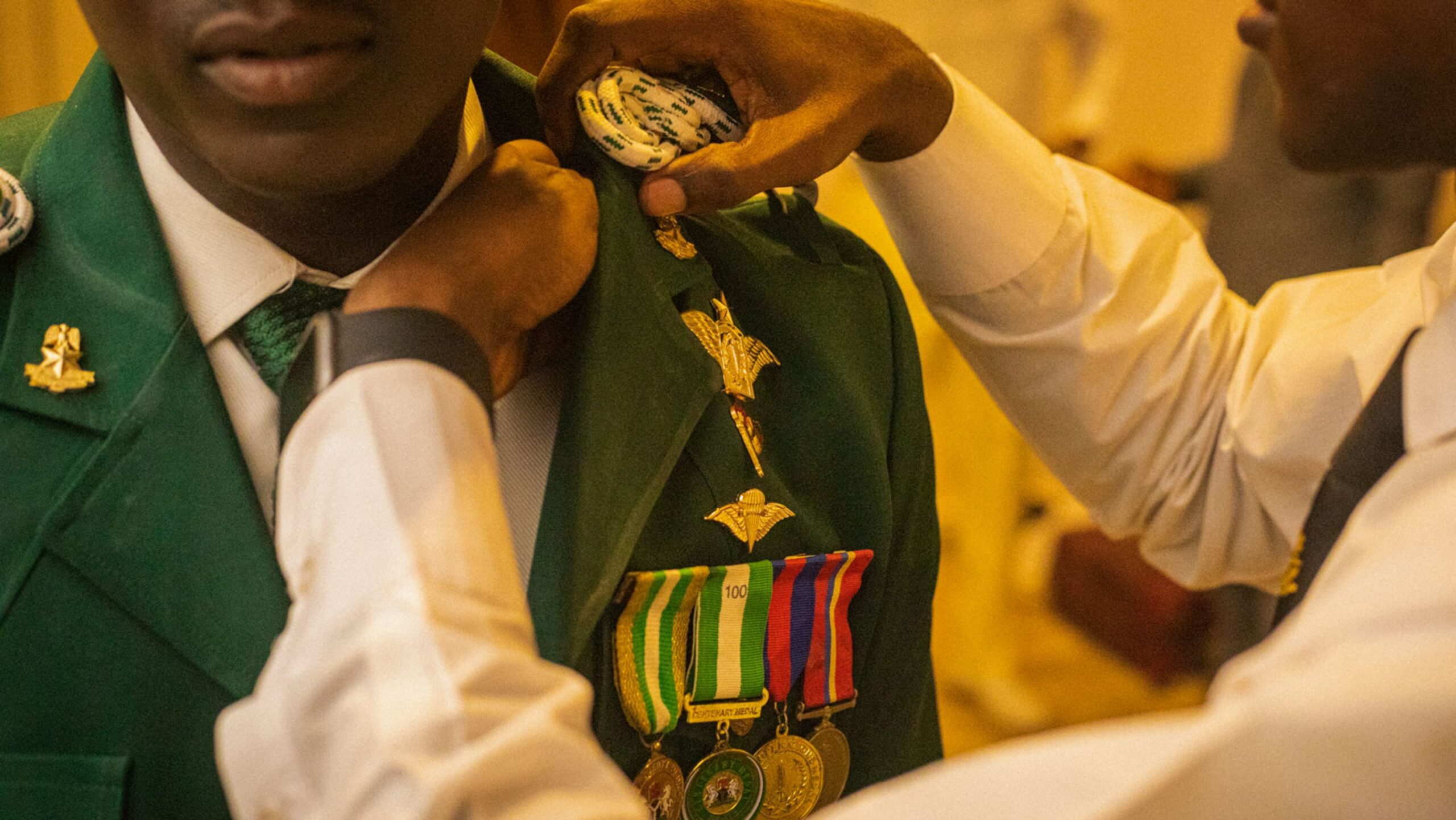
The ceremony reflected a central theme of the roundtable: that global health challenges do not stop at borders, and therefore neither can the response. Participants emphasized that equitable access to care and sustained cooperation between nations remain essential for protecting communities worldwide. The organizers stated that the event celebrated a shared commitment to “global health equity and multilateral diplomacy.” This recognition is particularly notable given the growing pressure on international collaboration. The award signals continued support for multilateral approaches to health, reinforcing the idea that institutional stability and diplomatic backing are as crucial as medical interventions in managing global crises.
The convergence of these events illustrates the multifaceted nature of modern health leadership. Ghebreyesus is tasked with both the technical management of a deadly viral outbreak in the DRC and the maintenance of the diplomatic frameworks that fund and support such responses. In Bunia, the focus remains on the immediate need to break the chain of transmission through community engagement and safe burial practices. In New York, the focus was on securing the political will and resources necessary for such long-term engagement. As the DRC works to contain the 17th Ebola outbreak, the international community’s support, symbolized by the recent award, will be tested by its willingness to sustain aid and cooperation as the situation evolves.