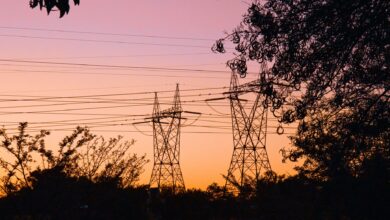

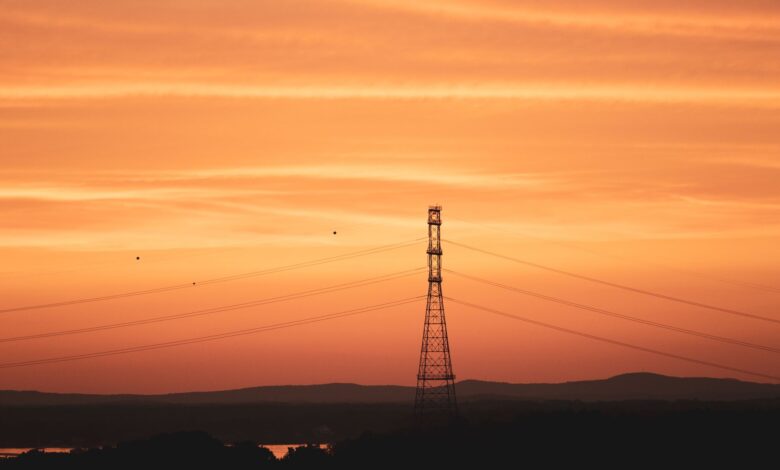
The heatwave is causing direct physical damage to electrical infrastructure. In northwestern France, a heat-related incident at a transformer left approximately 68,000 households in the Finistere department without electricity. Restoration efforts are ongoing, with power not expected to be fully restored until the end of the day at the earliest. Concurrently, a “severe disruption” in the European electrical system caused millions of people in Spain, Portugal, and parts of southern France to lose power. Spanish Prime Minister Pedro Sanchez stated that 15 gigawatts of generation were “suddenly lost from the system” in just five seconds. While the specific cause remains under investigation, European Council President Antonio Costa noted there is no evidence of a cyberattack. By Monday night, over 82% of the Iberian Peninsula had recovered power, with more than 99% of national substations operational in Spain.
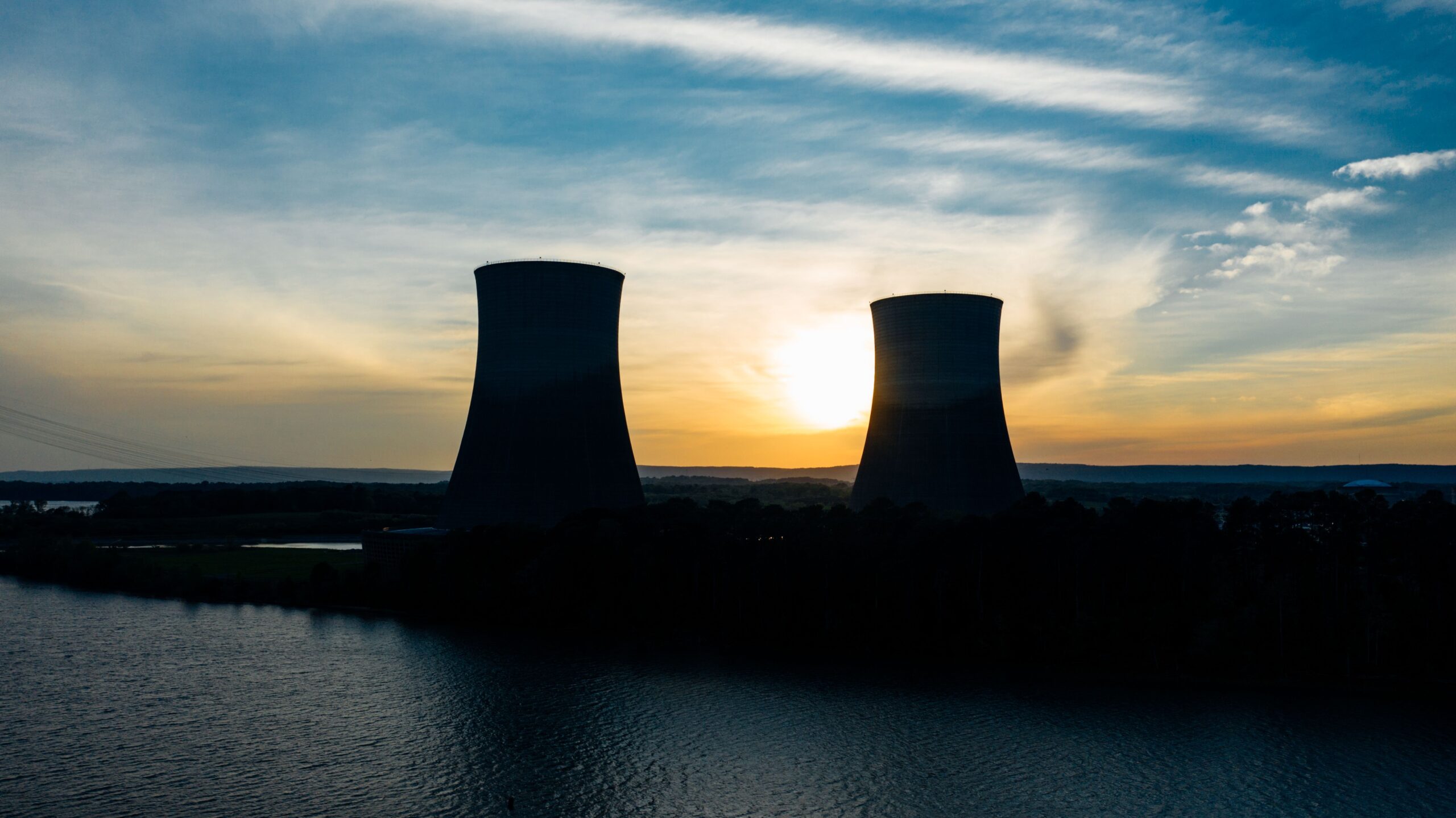
The extreme temperatures are also impacting generation capacity, particularly within France’s nuclear fleet. High ambient temperatures are forcing operators to reduce output to ensure reactor cooling systems function safely. Total heat-related curtailments have reached approximately 12% of the country’s nuclear capacity. In response to the tightening supply, French grid operators have significantly increased reliance on oil-fired backup generation, which has jumped sevenfold compared to normal operating levels. Additionally, extended maintenance at the 910 MW Gravelines 4 unit is compounding the capacity shortfall, with the outage extended by five days. These operational adjustments illustrate how acute weather events are reshaping the management of nuclear fleets designed around historical temperature ranges.
The immediate effect on energy markets has been a sharp rise in electricity prices as grid operators implement expensive emergency measures to balance supply and demand. The simultaneous occurrence of generation losses and infrastructure failures has highlighted vulnerabilities in Europe’s energy infrastructure under extreme weather conditions. Experts indicate that atmospheric patterns are trapping hot air in place, a phenomenon exacerbated by global warming, which is expected to persist through the weekend. The World Health Organization has warned that the heatwave is putting people’s health at risk, adding to the strain on public services during the power disruptions.

Grid operators are closely monitoring river cooling conditions to determine when full reactor restarts can occur. Analysts are watching for improvements in these conditions, as a further heat episode in July remains a concern for the market. The current situation requires a delicate balance between maintaining nuclear safety standards and ensuring grid stability. As the heatwave continues, the focus remains on restoring full generation capacity and preventing further infrastructure failures during the peak demand periods of the coming days.