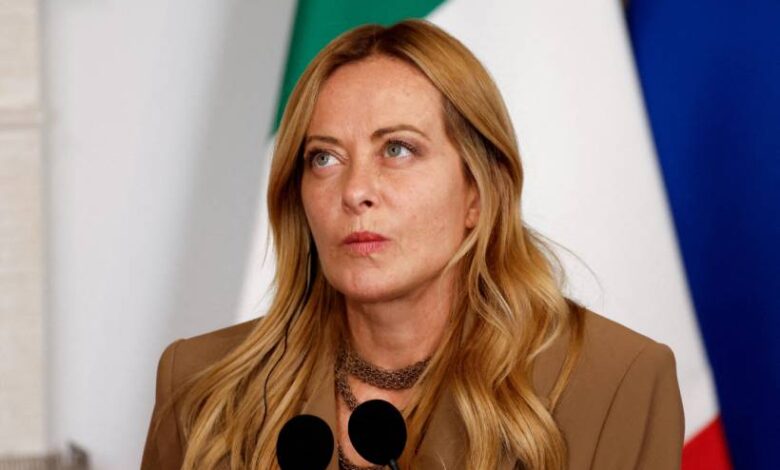
The coordinated response follows an appeal from the Italian government to energy companies to assist in managing the economic pressure of higher fuel prices. Prime Minister Giorgia Meloni has faced growing political pressure to protect consumers as Italy prepares its 2027 budget and approaches general elections next year. By implementing these caps, the companies aim to deliver tangible benefits to motorists while demonstrating a willingness to support the national economy without the need for more intrusive regulatory intervention.
Scope of Price Controls
The measures cover a significant share of Italy’s fuel retail network. SOCAR, through its subsidiary Italiana Petroli (IP), began introducing the price limit mechanism on September 28. While the initial rollout focuses on the IP network, SOCAR is considering extending the cap to Esso stations and other operators supplied through IP. Q8 Italy confirmed its decision on Tuesday, stating that the cap would apply for one month starting October 1, though the company did not disclose the specific price level for its stations. With Eni, SOCAR, and Q8 all participating, the National Consumers Union noted that approximately half of the country’s petrol stations will now operate under some form of price restriction.
These voluntary price measures are part of a broader political and economic strategy to manage the energy shock. Economy Minister Giancarlo Giorgetti and other senior politicians had proposed imposing a windfall tax on energy companies that have benefited from higher prices. Market analysts suggest that the current price cap initiative may reduce the risk of such new taxes on excess profits for Eni and other sector players. The companies are positioning themselves as cooperative partners in stabilizing the market, a move likely intended to preempt potentially more costly government interventions such as mandatory levies or price controls that could impact profit margins more severely.
Strategic Expansion in Europe
SOCAR’s entry into Italy’s fuel crisis marks a new stage in Azerbaijan’s growing economic and energy presence in Europe. The company acquired Italiana Petroli only months ago, indicating a rapid integration into the local market. This development signals that Azerbaijani entities are transitioning from being merely suppliers of energy to direct participants in European retail energy markets. The timing of the price cap, coinciding with the acquisition, underscores SOCAR’s intent to establish a stable and positive relationship with Italian consumers and regulators.
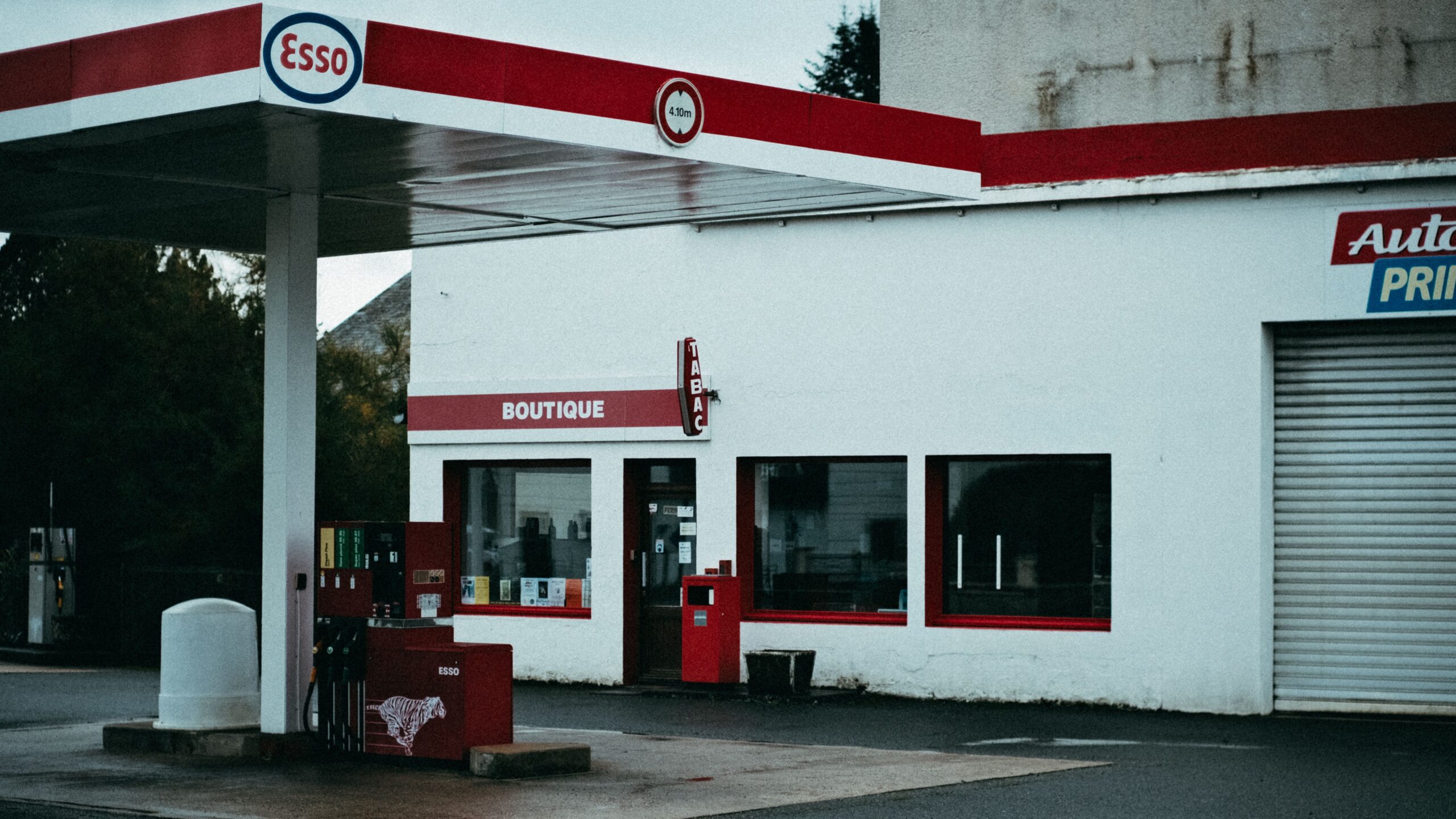
The immediate effect of these caps is to limit the volatility faced by Italian drivers and businesses during a period of elevated global energy costs. While the caps are temporary, they provide a short-term buffer against inflationary pressures in the transport and logistics sectors. The government has welcomed the announcements, with Meloni thanking the companies for responding to her appeal. The success of this voluntary approach may influence future energy policy in Italy, serving as a precedent for industry-government cooperation in managing price shocks.
The next major milestone for these measures will be the conclusion of the one-month period for Q8 and the initial phase for SOCAR and Eni. Depending on market conditions and the outcome of the 2027 budget negotiations, the government may assess whether to extend these voluntary caps or transition to different fiscal instruments. The energy sector will continue to monitor the impact of these retail price limits on consumer demand and overall market stability in the coming weeks.