

The diplomatic row originated on April 1, the day before Argentina’s Day of the Veteran and the Fallen in the Malvinas War, which marks the anniversary of the 1982 conflict between the two nations. During a commemorative event in Plaza General San Martín in La Paz, Carlos Paz Ide, Bolivia’s deputy foreign minister, reaffirmed La Paz’s backing for Buenos Aires’ sovereignty claim. Paz characterized the Malvinas issue as “not only Argentina’s cause, but also a regional cause,” reiterating Bolivia’s commitment to negotiations under United Nations resolutions to achieve a peaceful resolution.
Following the event, Ambassador Porter posted a video on social media in which he labeled Bolivia’s stance “disappointing and unacceptable.” Porter asserted that sovereignty over the islands was “not in question,” citing a 2013 referendum in which 99.8 percent of the island’s inhabitants voted to remain British. He further stated that Bolivia’s comments constituted an interference in the United Kingdom’s internal affairs.

Bolivia’s Foreign Ministry responded swiftly to Porter’s remarks, rejecting the characterization of its position as interference. The ministry stated that its actions represented a legitimate exercise of foreign policy, emphasizing its dedication to peace and international law. In a subsequent response, Ambassador Porter declared that he would not remain silent and would always defend his country’s interests, a statement that escalated the tone of the confrontation.
The Argentine Foreign Ministry, led by Pablo Quirno, then formally intervened on behalf of Bolivia. The ministry described the ambassador’s language as “unfortunate” and thanked La Paz for its consistent support. Buenos Aires emphasized that the Malvinas sovereignty claim is a regional issue backed by Latin American nations in various international forums. The dispute highlights the ongoing tension surrounding the South Atlantic archipelago, a British Overseas Territory known in the UK as the Falklands, whose sovereignty has been disputed since the 19th century.
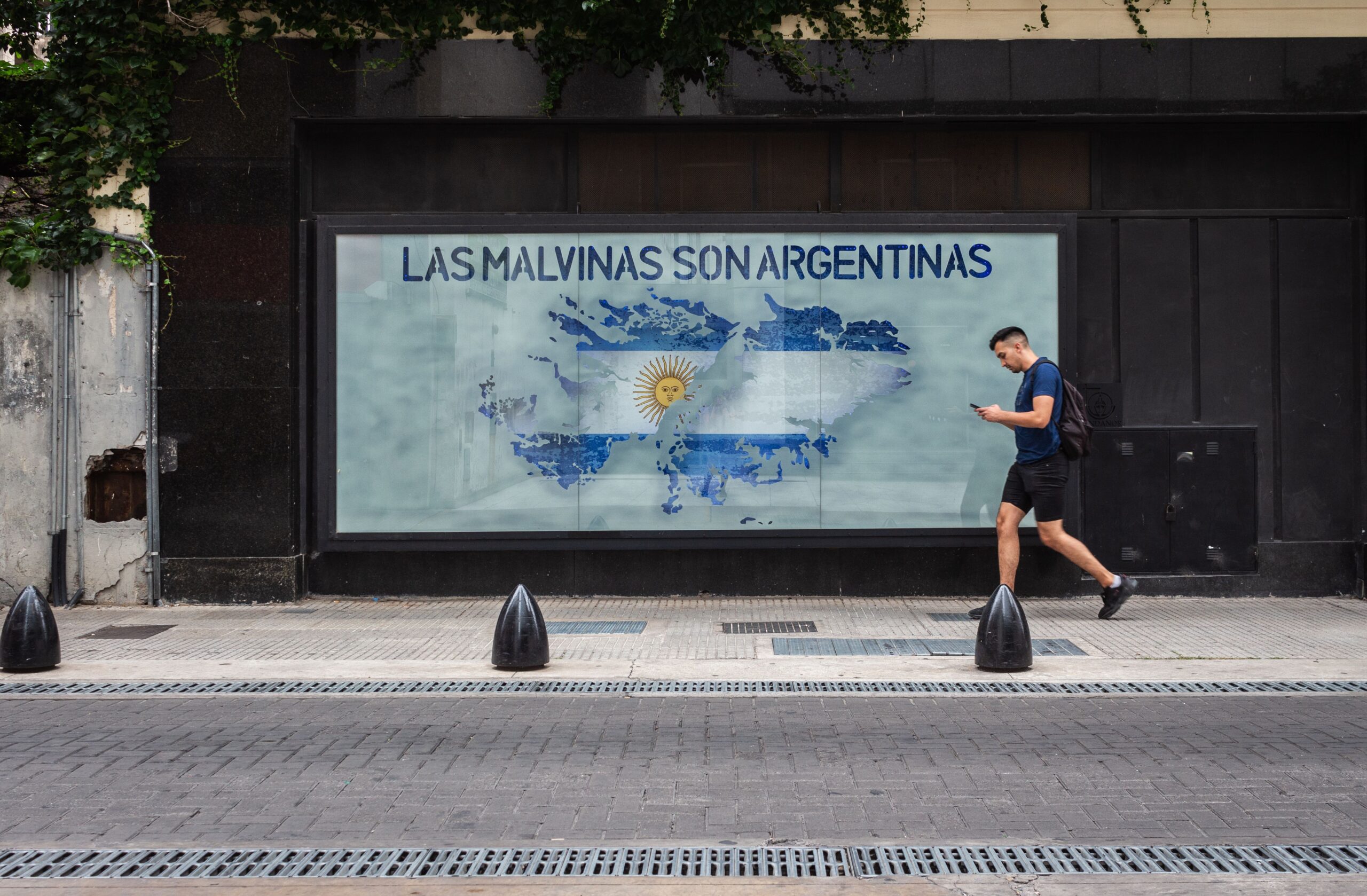
The historical context of the dispute remains central to the current diplomatic friction. In 1982, Argentina, then under a military dictatorship, and the United Kingdom engaged in a 74-day war over the territory. The conflict resulted in the deaths of 649 Argentine and 255 British soldiers, after which London retained control of the islands. Bolivia has maintained its support for Argentina’s sovereignty claim across different political administrations, a position that continues to draw sharp criticism from London.
The incident underscores the sensitivity of the Malvinas issue for both Argentina and the United Kingdom, with diplomatic representatives now engaging in public exchanges that have moved beyond standard diplomatic channels into social media discourse. The Argentine government’s decision to publicly back Bolivia signals a coordinated regional stance against what it perceives as unwarranted interference in a sovereign dispute that has persisted for over a century.