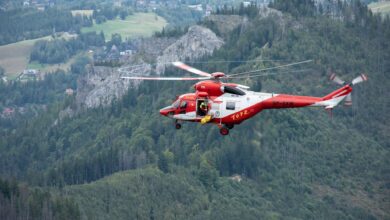
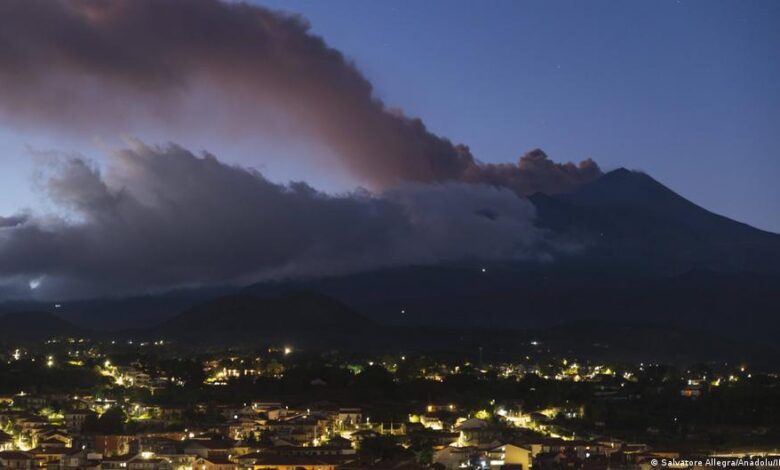
Beyond the logistical and economic impact on one of Europe’s major Mediterranean hubs, the volcano’s activity has presented a lethal hazard to those on the ground. A 29-year-old hiker from Kansas was killed on Sunday evening by a lightning strike while traversing an exposed area above the tree line. Italian firefighters reported that the man was rescued by helicopter but was later pronounced dead by medical personnel. The tragedy occurred in a section of the volcano’s slope that had been closed to visitors due to the recent increase in volcanic activity. Authorities noted that the victim was in a restricted zone, a precaution implemented following the prolonged period of unrest that also necessitated the airport closure.
Mount Etna, a stratovolcano standing at approximately 3,400 meters, is Europe’s most active volcano. Its precise height fluctuates, particularly during periods of high activity when it can shed several meters of material. The mountain’s activity has been a recurring feature of the summer, with ash emissions causing repeated disruptions to air travel. The Italian Institute of Geophysics and Volcanology (INGV) assessed the ash plume from the northeast crater, stating that it did not indicate an imminent explosive phase. This distinction is critical for risk management, as the primary threat during this period has been the persistent release of ash and the associated atmospheric hazards, rather than a catastrophic eruption.
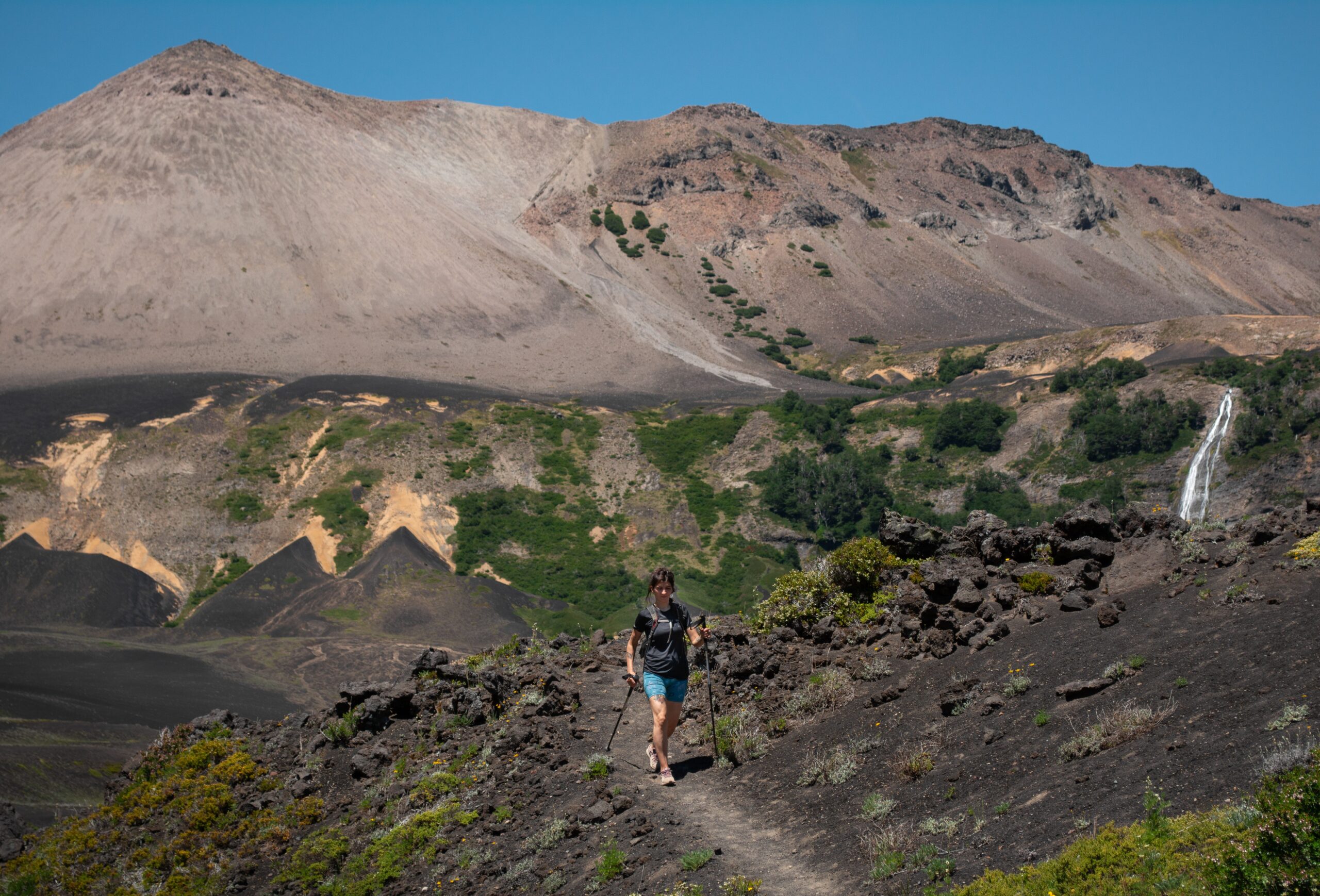
The fatality on the slopes underscores a specific and often overlooked dimension of volcanic risk. Officials pointed out that over recent decades, more people have died on Etna from lightning strikes than from volcanic activity itself. The last fatalities directly caused by an eruption on the volcano occurred in 1987. Lightning strikes are a frequent phenomenon during volcanic storms, where the electrical properties of ash clouds create highly charged environments. For hikers, the danger is compounded by the terrain; the area where the strike occurred was above the tree line, offering little protection from atmospheric discharges. The closure of vast areas of the slope was a direct response to this compounded risk, yet the incident demonstrates the difficulty of enforcing boundaries in a landscape that is both a popular tourist destination and an active geological feature.
The interplay between Etna’s activity and human infrastructure is not new. The airport, located not far to the south of the volcano, has faced disruptions several times in recent years. While the volcano is a UNESCO World Heritage Site and a source of deep cultural resonance, with Greek and Roman mythology placing the forge of the blacksmith god beneath its peak, its modern-day reality is defined by monitoring and mitigation. The airport operator, SAC, advised passengers to check flight statuses, a routine that has become a predictable part of travel to Sicily during active periods. The diversions to other airports serve as a temporary buffer, but they strain regional transport networks and inconvenience thousands of travelers, many of whom are tourists seeking holiday destinations on the island.
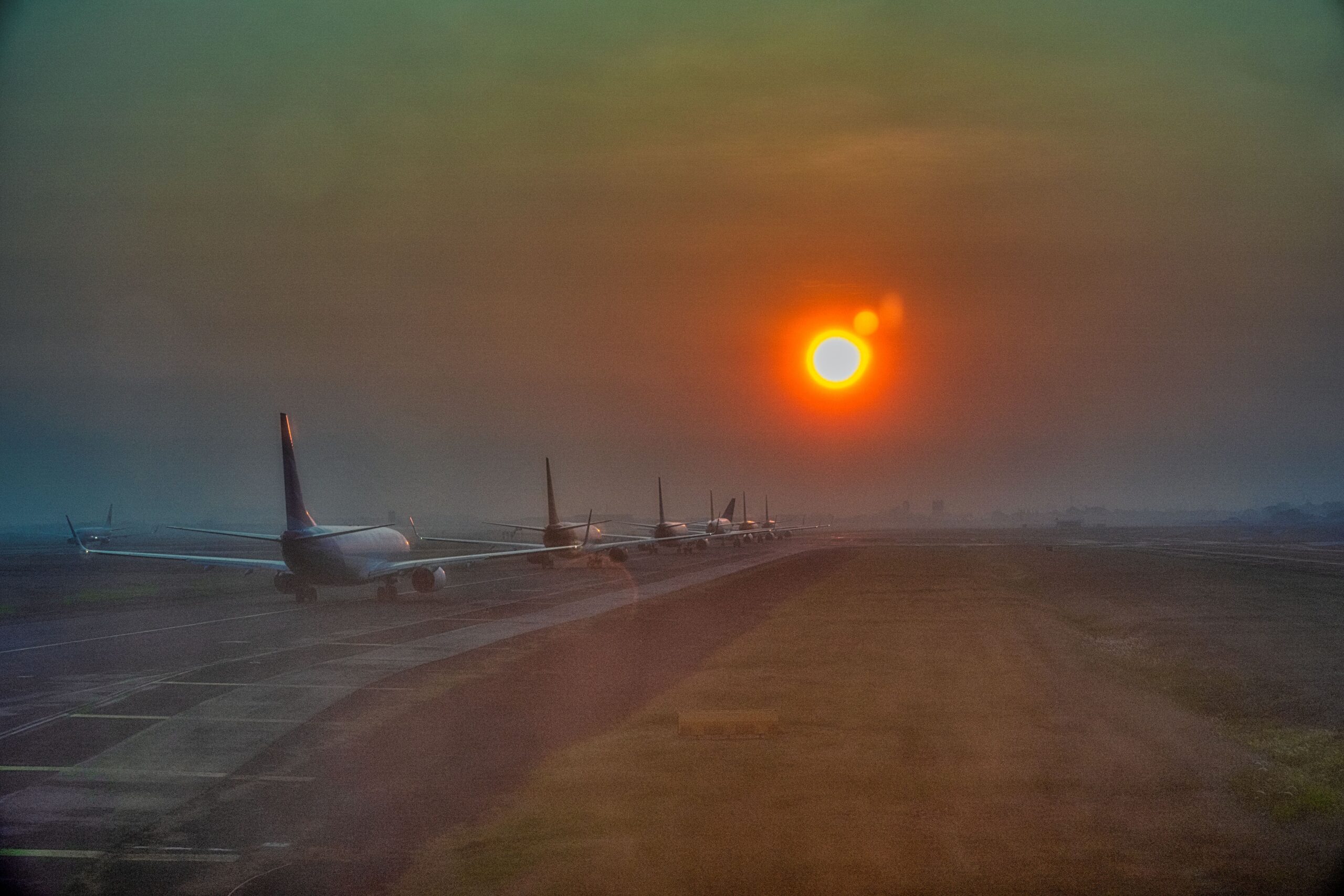
The scientific monitoring provides a clear picture of the current state: low-level activity, ash emissions, and no signs of an imminent explosive event. However, the human impact remains significant. The closure of the airport represents a tangible economic and logistical disruption, while the death of the hiker serves as a stark reminder of the natural forces at work. The fact that lightning has claimed more lives than eruptions in recent decades suggests that the risks associated with Etna are not solely tied to the magnitude of volcanic explosions but also to the secondary hazards that accompany volcanic weather patterns.
As the ash cloud continues to be monitored, the focus remains on the transition from acute crisis to managed risk. The closure of the airport is likely to remain in effect until atmospheric conditions and volcanic emissions allow for safe operations. For the hikers and tourists who venture onto the slopes, the message from authorities is clear: the boundaries set by the INGV are not arbitrary but are based on real, measurable threats. The death on Sunday was a consequence of entering a zone where the combination of volcanic gas, ash, and electrical activity creates a lethal environment. The next verified development will be the resumption of air traffic, a milestone that will signal a return to normalcy, but the geological reality of Etna remains unchanged: it is an active, ever-present force in the lives of those who live in its shadow.