

The geopolitical volatility is compounding a structural supply crisis centered on the Strait of Hormuz. The waterway, which historically carried 20% of the world’s hydrocarbon supply, has been effectively closed to safe transit since March following Iranian restrictions in response to U.S. and Israeli air strikes. While crude and gas continue to exit the Persian Gulf, the methods have shifted to high-risk tactics, including disabling satellite tracking systems and conducting at-sea cargo transfers at exorbitant costs. In late August, the head of France’s TotalEnergies estimated the cost of transporting oil through the strait at $20 million per voyage.
These conditions have fundamentally altered the economics of maritime insurance. Quoted war risk premiums for Saudi-linked tankers calling at the Red Sea port of Yanbu have risen to around 3% of a vessel’s value, up from less than 1% in early July. For ports south of Yanbu, such as Jizan, premiums have spiked as high as 7%, approaching the 6% to 9% range seen for transits through the Strait of Hormuz. In contrast, tankers with no Saudi connection typically pay between 0.2% and 0.3% to transit the Red Sea. Pankaj Khanna, CEO of Heidmar Maritime Holdings, noted that the U.S. provides some security cover in the Strait of Hormuz, whereas the Red Sea currently lacks such protection, making Saudi-linked vessels a primary target for Yemen’s Iran-aligned Houthis.
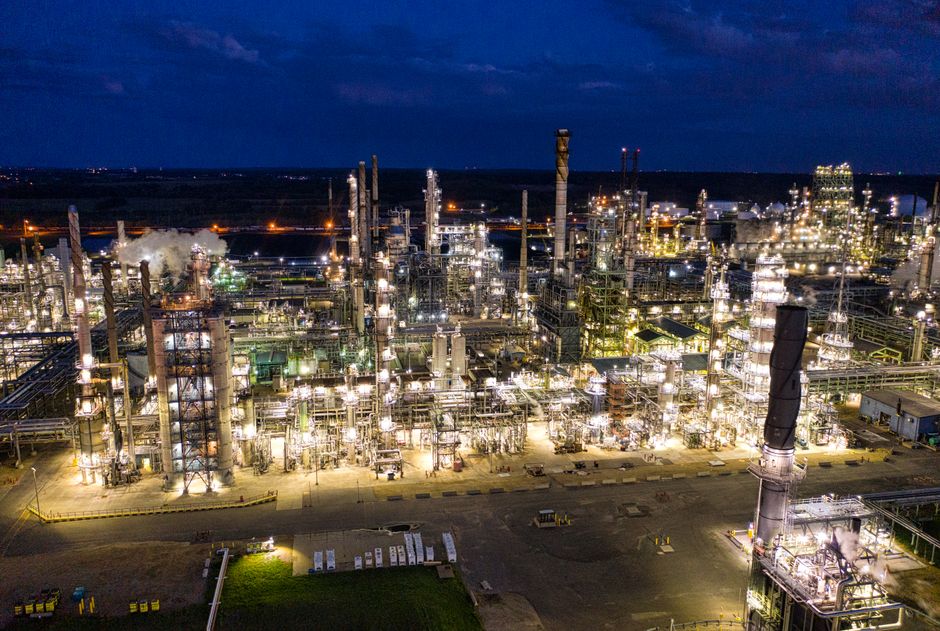
The Houthis have intensified their campaign, targeting economic assets in Saudi cities including Abha, Khamis Mushait, Jazan, and Najran. These strikes, which involved drones and ballistic missiles, caused fires at several energy facilities and forced temporary operational shutdowns. More than 70 civilians were injured in the attacks. Saudi Arabia had previously diverted approximately 4 million barrels per day—roughly 4% of global supply—through its East-West pipeline to the Red Sea. However, the kingdom shut this pipeline on September 11 following drone attacks attributed to Iraq-based militias. While Riyadh is rebuilding volumes, loadings at Yanbu have yet to fully resume, leaving the world’s largest oil exporter struggling to find viable export channels.
Tanker Market Inversion
The closure of the Strait of Hormuz has triggered a fierce competition among nations and shipowners to secure physical tanker fleets, inverting the traditional dynamics of the vessel market. Due to the two-to-three-year lead time required to build new ships, second-hand vessels are now commanding higher prices than newbuilds. A second-hand Very Large Crude Carrier (VLCC), capable of carrying around two million barrels, is valued at approximately $182 million, compared to roughly $130 million for a newbuild. Second-hand Suezmax and Aframax tankers are similarly valued at $130 million and $95 million, respectively, versus $89 million and $75 million for their new counterparts.
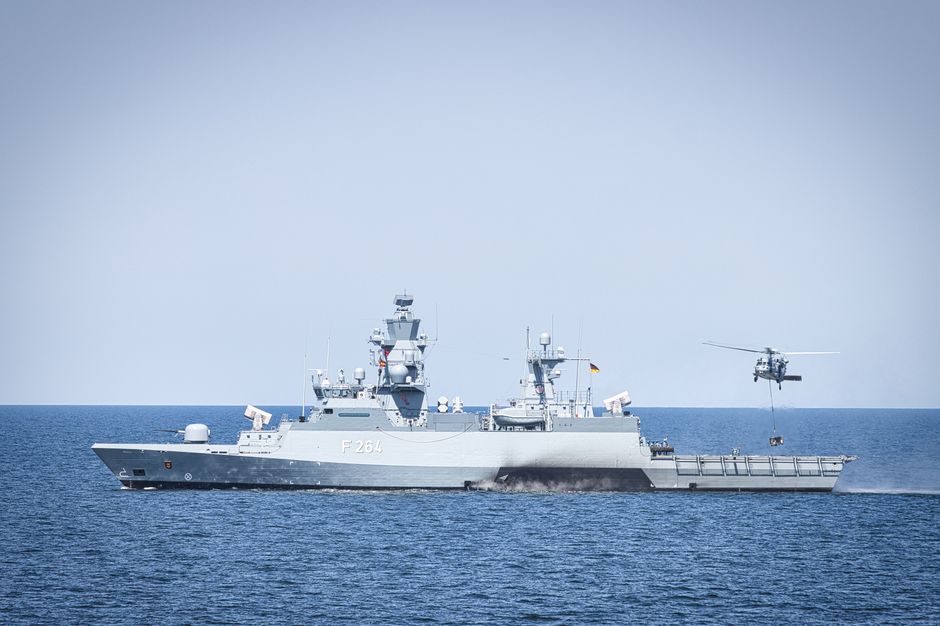
Niels Rasmussen, chief shipping analyst at the Baltic and International Maritime Council, observed that the average price of a five-year-old tanker has risen by 35% since the beginning of the year, with supertanker prices increasing by nearly 40%. This scarcity is reflected in freight rates, where the cost for a VLCC on a Middle East-to-Asia route has jumped from $5.4 million to over $36 million. Shipowners are reluctant to sell vessels generating these windfall profits, further tightening supply. The South Korean firm Sinokor has leveraged this environment to solidify its position as the world’s largest supertanker operator by acquiring dozens of VLCCs earlier this year.
As the war broadens, the strategic dimension of shipping ownership has become paramount. For crude exporters, control of tanker capacity is no longer a purely commercial decision but a necessity for energy security. With no end in sight to the disruption, the global market faces a persistent supply risk that continues to drive benchmarks higher and reshape the maritime industry’s asset valuation models.
