

The legislation, which Trump signed into law on September 18, represents a significant escalation in economic pressure on Moscow. It authorizes the U.S. president to impose tariffs of up to 100 percent on the five largest purchasers of Russian oil and natural gas. While the bill was championed by the late Senator Lindsey Graham, who passed away in July following a trip to a drone factory in Ukraine, the final text saw the proposed tariff rate reduced from an initial 500 percent to 100 percent. Zelensky has now asked Trump to deploy this authority “against Russia and everyone who props up its war financially,” citing the ongoing destruction of civilian life as evidence that diplomatic efforts alone have not curbed the aggression.
The timing of the sanctions law is critical, as it lands just days before a scheduled meeting between Trump and Chinese President Xi Jinping at the White House on September 24. China, along with India, constitutes the largest market for Russian crude oil. Trump has indicated he will discuss the issue with Xi, though the outcome of those negotiations remains uncertain. The law also extends sanctions to Iran’s energy and weapons sectors, reflecting the complex interplay between the war in Ukraine and broader geopolitical tensions in the Middle East, where a U.S. conflict with Iran has previously created a global oil crunch that temporarily benefited Russian exports.
Economic Leverage and Diplomatic Stalemates
The new act grants the executive branch sweeping authority to target Russian state assets, including President Vladimir Putin, his government officials, oligarchs, and financial institutions. However, the effectiveness of the law hinges on its application to third-party nations that continue to buy Russian energy. By targeting the “largest purchasers,” the legislation aims to cut off the revenue stream that sustains the Russian war machine. For Ukraine, the stakes are high; Zelensky’s call for action is part of a broader strategy to compel economic isolation of Russia, even as he criticizes the European Union for recent decisions to delist two Russian oligarchs from sanctions lists.
The diplomatic landscape remains tense. Earlier in the month, Trump’s son-in-law Jared Kushner and special envoy Steve Witkoff traveled to Moscow to meet with Putin and to Kyiv to meet with Zelensky. Despite these efforts, a ceasefire has not been reached. Trump has expressed frustration with the protracted nature of the conflict, stating after his conversations with Putin that the “holdup is two people that hate each other.” The U.S. administration, which had initially pledged to end the war swiftly, is now relying on economic coercion as a primary tool to shift the balance of power.
The Human Cost of Continued Conflict
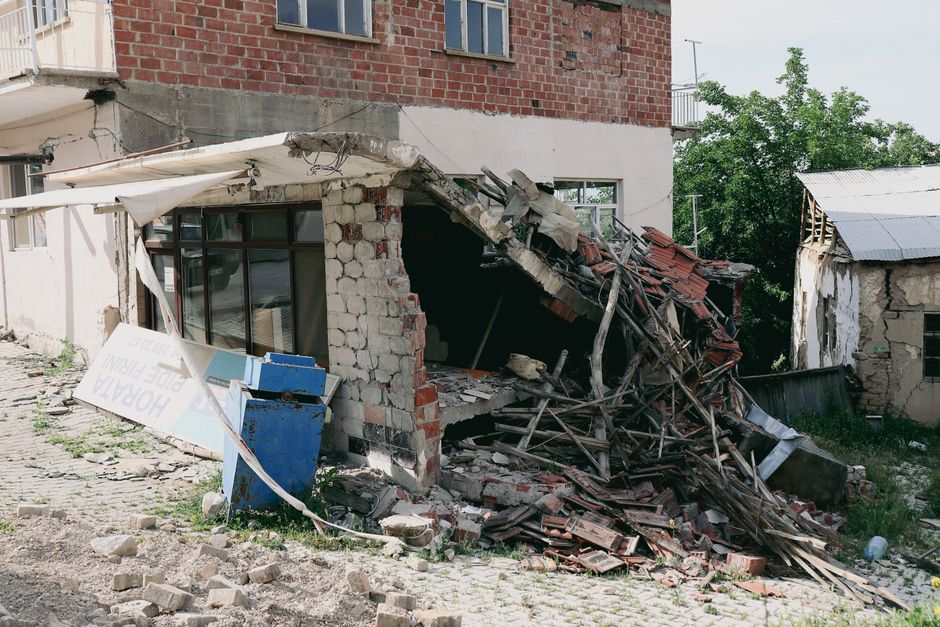
While state-level negotiations continue, the human cost of the war persists. Overnight strikes damaged schools and private homes in several regions, underscoring the vulnerability of civilian infrastructure. Zelensky’s appeal to Trump is not merely a political maneuver but a response to immediate lethal consequences. The Ukrainian leader’s strategy relies on the assumption that the threat of 100 percent tariffs will deter the global markets from absorbing Russian oil, thereby reducing Moscow’s capacity to sustain its military operations.
The upcoming meeting between Trump and Xi will be a decisive moment for the implementation of the new sanctions. If the U.S. proceeds to impose tariffs on China, it could trigger significant economic repercussions and alter the trajectory of U.S.-China relations. Conversely, if a diplomatic compromise is reached, the sanctions may remain dormant, leaving Ukraine to continue its defense without the anticipated economic blow to its adversary. The outcome of these talks will determine whether the Lindsey O. Graham Sanctioning Russia and Iran Act serves as a decisive turning point or remains a largely symbolic legislative victory.
As the White House prepares for the September 24 summit, the focus shifts to whether executive action will match the legislative intent. For now, the balance of power remains under strain, with economic weapons being pointed at the largest consumers of Russian energy in a bid to force a resolution to a war that has shown no clear signs of ending.
