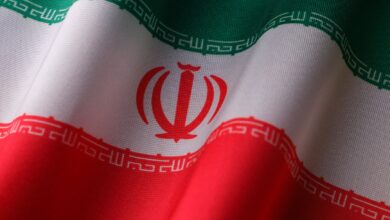

The specific claims in dispute involve reports from Axios and Al Jazeera that another round of talks is imminent or has taken place. In response, the Iranian source characterized these media reports as not only inaccurate but also strategically motivated. The assertion is that the dissemination of such “false” news is designed primarily to manage financial markets, specifically to stabilize oil prices. By suggesting that a diplomatic breakthrough or ongoing engagement is possible, the theory posits that market anxiety is soothed, preventing the sharp price spikes often associated with heightened geopolitical tension in the Middle East.
Oil markets are notoriously sensitive to news regarding Iran’s nuclear program and its relationship with Washington. Any indication of de-escalation or renewed dialogue can lead to a rapid drop in crude oil benchmarks, as traders price in the likelihood of increased Iranian exports and reduced risk of supply disruptions. Conversely, news of stalled talks or renewed hostilities tends to drive prices up. The Iranian denial, therefore, strikes at the intersection of diplomacy and economics, suggesting that the narrative of ongoing talks may be serving a market-manipulation function rather than reflecting a genuine diplomatic trajectory.
For policymakers and analysts, this development complicates the assessment of the current state of US-Iran relations. The two nations have been engaged in a long-standing standoff, with direct diplomatic channels largely severed for years, leaving limited space for negotiation. When rumors of talks emerge, they are often met with skepticism by both sides, given the high political cost of appearing weak or compromising on core red lines. The Iranian government has historically been careful to control the narrative around its nuclear file, often denying direct contacts with the US to maintain a hardline domestic posture while leaving room for indirect back-channels.
The reference to “managing the market” highlights the growing influence of financial instruments on geopolitical perception. In an era where algorithmic trading and rapid news cycles can move billions of dollars in seconds, the timing and content of diplomatic leaks carry significant economic weight. If the denial is accurate, it implies that the previous optimism regarding talks was unfounded, potentially leading to a subsequent volatility in energy markets as traders adjust their expectations. The focus shifts from “when will talks happen” to “what is the actual state of the standoff.”
This incident also underscores the broader challenge of information verification in geopolitical reporting. When major outlets report on sensitive diplomatic moves, they often rely on multiple anonymous sources to confirm details. A formal denial from the counterpart party, especially one as specific as the one provided through Fars News, forces a reassessment of the credibility of those initial reports. It raises questions about whether the initial reports were based on misunderstood leaks, deliberate disinformation, or well-intentioned but incorrect assumptions by journalists seeking to cover a high-stakes story.
The immediate consequence of this denial is a potential chilling effect on market confidence. Traders who had priced in a degree of de-escalation may now face uncertainty about the next move by either Tehran or Washington. The Iranian stance, as conveyed through the state-aligned media, reinforces a narrative of resilience and independence from external pressure, while simultaneously questioning the motives behind Western media coverage. It frames the media not just as observers, but as active participants in market dynamics, a role that is increasingly scrutinized in global geopolitics.
Looking ahead, the absence of verified talks leaves the core tensions unresolved. The nuclear file, sanctions, and regional security concerns remain dominant issues. The denial does not resolve these underlying disputes; it merely clarifies that, at this moment, there is no active, high-level diplomatic track that both sides are publicly acknowledging. The next significant development will likely hinge on whether either side attempts to re-engage through indirect channels or if the standoff continues to escalate through proxy conflicts or economic pressure. For now, the focus remains on the discrepancy between reported news and official state positions, a gap that continues to define the fog of war in diplomatic reporting.
The statement leaves the door open for future engagement but firmly closes the current chapter of rumored talks. It serves as a reminder that in the high-stakes environment of US-Iran relations, the flow of information is as critical as the policy itself. The market, in turn, will continue to react to every shift in tone, making the accuracy of reporting a matter of both journalistic integrity and economic stability. The tension introduced by this denial is not just about the existence of talks, but about who controls the narrative that drives global energy markets.