
Diplomatic Deadlock and Mediation
Iranian Foreign Minister Abbas Araghchi addressed the state broadcaster IRIB on September 26, clarifying that the United States’ final position had not yet been formally conveyed through the mediators, Qatar and Pakistan. While acknowledging President Trump’s public disapproval of the terms, Araghchi emphasized that a diplomatic breakthrough remains contingent on a comprehensive agreement rather than unilateral actions.
The proposed framework involved Iran reopening the strait in exchange for the United States lifting its blockade of Iranian ports. This structure mirrored a memorandum of understanding reached between the two nations in mid-June. However, the ceasefire associated with that earlier agreement subsequently collapsed, leaving the current negotiations without a guaranteed security backdrop. Araghchi’s remarks suggest that Tehran views the mediation channel as still active, even as public statements from Washington indicate a firm stance against the specific terms offered.
U.S. Stance and Strategic Considerations
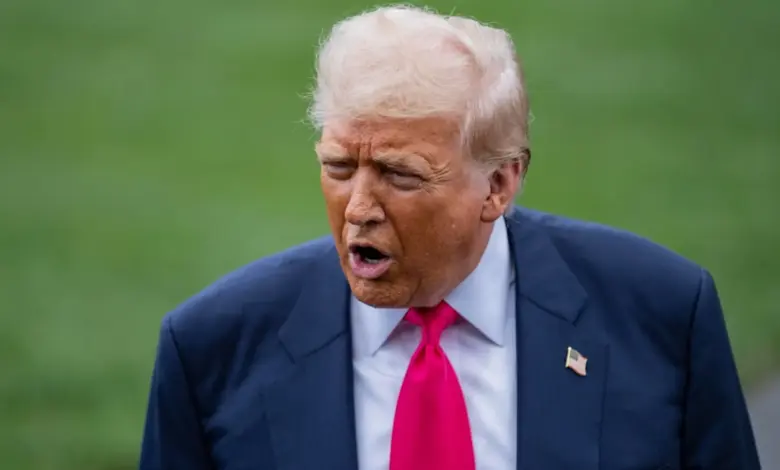
President Trump told reporters on September 26, as he departed the White House, that he had rejected Iran’s proposal. He characterized Iran’s move as an attempt to secure an immediate agreement to reopen the strait after finding itself at a disadvantage in the ongoing conflict. The administration’s skepticism extends beyond the immediate terms; there is doubt regarding Iran’s willingness to honor any future agreement. Consequently, U.S. officials are reportedly considering the possibility of resuming airstrikes on Iran following the midterm elections in November, a timeline that introduces a significant political window for potential escalation.
This strategic posture highlights the tension between tactical de-escalation and long-term deterrence. For the United States, the blockade serves as both an economic lever and a security measure, while for Iran, the blockade is viewed as a violation of sovereignty that precludes free navigation. The disparity in how each side interprets the leverage in the current state of affairs remains the primary obstacle to a resolution.
Regional Security Implications
The diplomatic stalemate occurs against a backdrop of continued military tensions in the Middle East. On September 26, the Saudi-backed coalition in Yemen announced the interception of two drones launched by Houthi rebels toward the capital, Riyadh, and one ballistic missile targeted at the southern city of Khamis Mushait. These incidents follow an air raid alert in Riyadh triggered by missile fire approximately one week prior, indicating a sustained campaign of long-range strikes by the Houthi movement.
President Masoud Pezeshkian reinforced Iran’s rigid position during his address at the United Nations General Assembly last week. He stated that Iran would not permit free navigation through the Strait of Hormuz as long as U.S. sanctions and the naval blockade remain in effect. Furthermore, he reiterated that Iran would not relinquish its right to develop nuclear technology for economic purposes, linking the maritime issue to the broader, unresolved nuclear file.

Operational and Strategic Outlook
The Strait of Hormuz remains a critical chokepoint for global energy supplies. The continued closure or restriction of passage poses significant operational risks for international shipping and energy security. While both the U.S. and Iranian negotiators have previously engaged in discussions regarding port access and maritime transit, the failure to bridge the gap between announced terms and verified intent has stalled progress.
Tensions in the region persist as the two sides have yet to narrow their differences. The coming weeks will likely see a continuation of the standoff, with the potential for renewed military action if diplomatic channels remain blocked. The interplay between the Houthi attacks in Yemen, the naval blockade, and the nuclear dimension creates a complex security environment where tactical incidents can rapidly escalate into broader strategic confrontations. Until a formal response from Washington is received and verified by Tehran, the status quo of restricted navigation and heightened military alert will remain in effect.