

Escalating Rhetoric and Strategic Posturing
Patrushev’s comments were a direct response to Sikorski’s address at the Yalta European Strategy conference in Kyiv on September 12 and 13. During the conference, Sikorski argued that NATO’s overwhelming air superiority would allow the alliance to defeat Russia “quite quickly” if Moscow chose to strike. Sikorski further noted that European air forces, even without U.S. involvement, could destroy half of Russia’s oil refineries faster than Ukraine has been able to do in its ongoing conflict.
Patrushev dismissed Sikorski’s assessment as “amateurish,” claiming that the Polish minister is “obsessed with militarism” and unwilling to acknowledge that the Russian armed forces are not utilizing their full potential during the war in Ukraine. He emphasized that Russia has no grounds for military operations against Europe, despite the recent surge in hostile rhetoric from senior Kremlin officials.
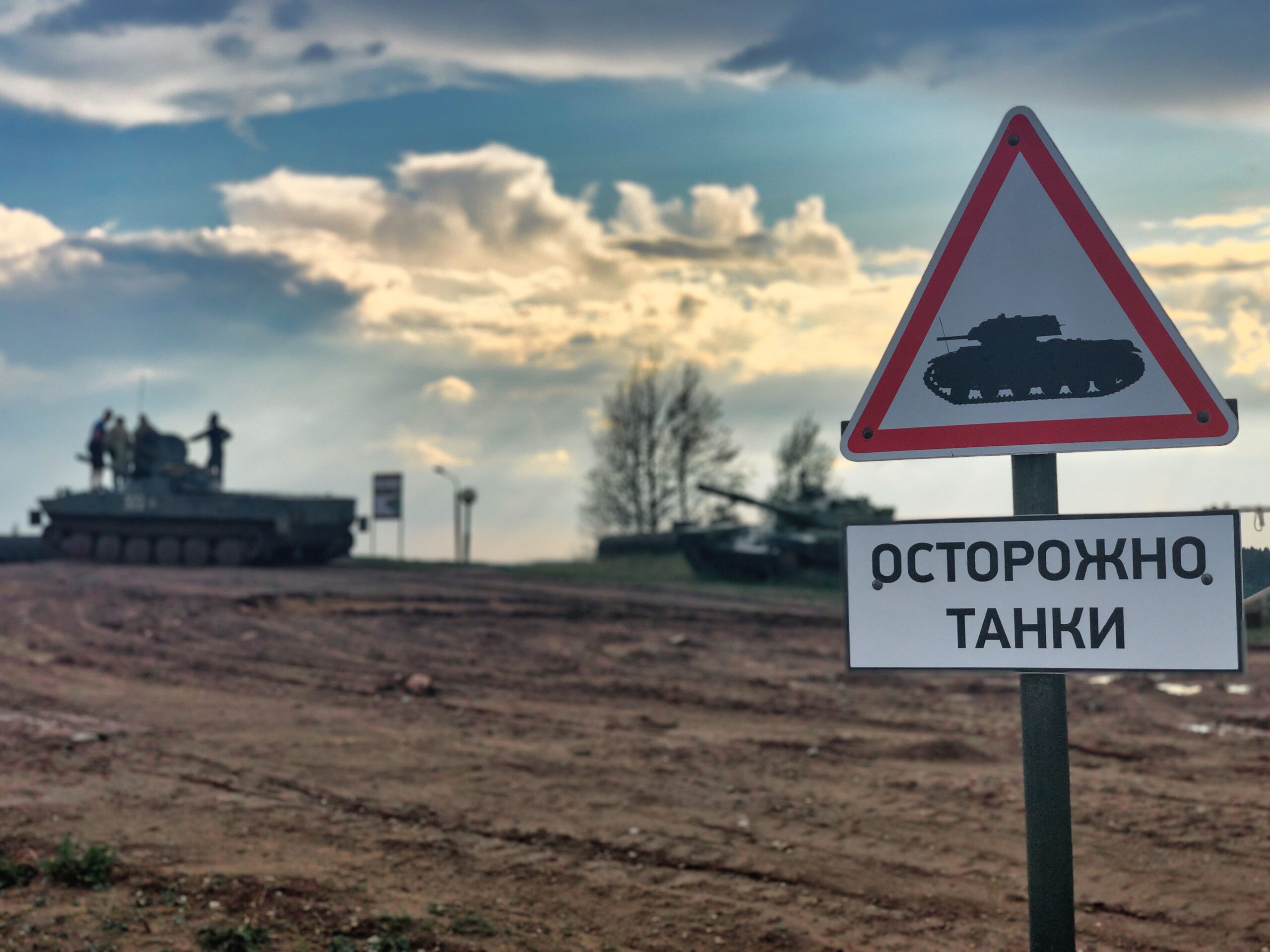
“If Poland enters into military action against Russia, our country will use the full arsenal of forces and means at its disposal, and the Polish state will cease to exist within two to three days,” Patrushev said.
While Patrushev did not explicitly reference nuclear weapons in these specific quotes, the reference to the “full arsenal” carries significant weight given that Russia possesses one of the world’s largest nuclear stockpiles. The threat is part of a broader campaign of intimidation directed at several European nations. Over the past several weeks, Russian officials and state media figures have issued severe warnings against Lithuania, Poland, Germany, and Norway. Dmitry Medvedev, Deputy Chairman of the Russian Security Council, stated that Lithuania would “disappear from the world map” if it failed to understand the consequences of its actions. Similarly, senior officials have threatened that a war with Europe would be “entirely different” and “very short.” This rhetoric contrasts with President Vladimir Putin’s statement to U.S. President Donald Trump on September 8, in which he claimed Russia had “absolutely no aggressive plans toward Europe.”
Hybrid Operations and Geopolitical Context
The verbal threats are unfolding against a backdrop of increasing physical tensions and hybrid operations in Europe. In August, a drone carrying military-grade explosives was discovered near a Ukrainian cargo plane at Leipzig/Halle Airport in Germany, a major logistics hub used by NATO. Germany formally attributed the attempted attack to Russia on September 1, citing a pattern of hybrid operations, though Moscow denied responsibility.
Tensions continued to rise in September. On September 1, an Italian NATO fighter jet shot down a drone carrying an explosive device after it entered Lithuanian airspace from Belarus. Lithuanian authorities indicated that the drone’s origin and intended target remained under investigation. On the same day, a Russian warship fired flares toward a Danish military helicopter operating in the Baltic Sea. These incidents have placed NATO on high alert, with officials increasingly concerned about the frequency and nature of Russian incursions into allied airspace and maritime zones.

Poland occupies a sensitive strategic position, sharing borders with Ukraine, the Russian exclave of Kaliningrad, and Belarus, Moscow’s foremost regional partner. As one of Ukraine’s primary political and military backers, Warsaw has become a focal point for Russian security concerns. Despite the intense rhetoric, the conflict in Ukraine, now in its fifth year, has seen Russia fail to fully capture the Donetsk region despite heavy losses in personnel and equipment. The gap between stated capabilities and demonstrated battlefield performance remains a central point of contention in the strategic dialogue between Moscow and the West.
The coming weeks will likely see continued monitoring of air and maritime boundaries, with NATO maintaining a heightened posture in response to the recent drone incidents and escalating diplomatic threats. The discrepancy between Moscow’s denial of aggressive intent and the specific, severe threats issued by its senior leadership remains an unresolved strategic question for European defense planners.