


The initiative comes at a time when the concept of neutrality is being re-evaluated across the continent. While Switzerland has not engaged in a military conflict since the principle was formally established in 1815, the current security environment poses new challenges. With Russia at war with Ukraine and the United States exerting pressure on traditional alliance structures such as NATO, questions are being raised about how traditional neutrality can be maintained and what its practical limits are.
Shifting Norms in Neutral Europe
The Swiss vote is part of a broader trend among European nations that have historically maintained non-aligned or neutral stances. Countries such as Austria and Ireland have recently increased their defense spending and strengthened their ties with NATO, signaling a shift away from strict non-alignment. These moves suggest that the traditional model of neutrality is under strain as security threats evolve from state-on-state warfare to hybrid threats and regional instability.
In Switzerland, the debate centers on whether the current constitutional framework sufficiently protects the country’s neutrality. Proponents of the stricter definition argue that existing laws are too vague or easily overridden by political decisions. They contend that a constitutional mandate would provide a higher legal barrier against policies that could compromise the nation’s independent status.
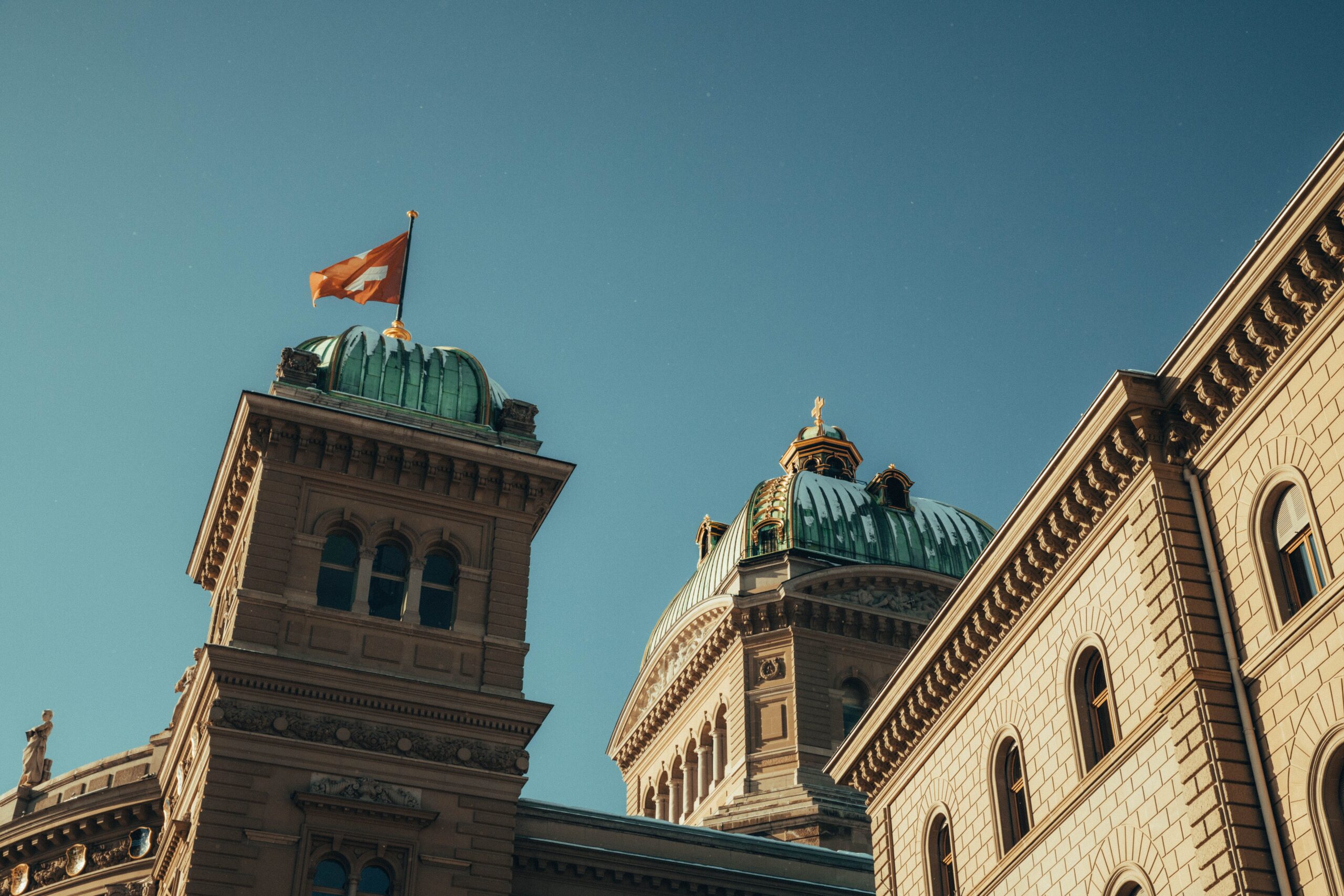
The Case for Stricter Constitutional Protection
Supporters of the initiative argue that certain modern diplomatic and economic measures, such as participation in international sanctions, can undermine the principle of neutrality. Under the traditional interpretation, neutrality requires impartiality in times of war. Critics of the status quo suggest that aligning with sanctions regimes or engaging in certain forms of collective security cooperation may blur the lines of this impartiality, potentially exposing Switzerland to accusations of taking sides in conflicts.
By enshrining a stricter definition in the constitution, advocates believe the country would send a clear signal to both domestic and international actors about the non-negotiable nature of its foreign policy stance. This would require any future government to adhere to a rigid set of criteria before engaging in actions that might be perceived as breaking neutrality.
Opponents of the initiative, however, argue that a rigid constitutional definition could limit the government’s flexibility in responding to changing global circumstances. They contend that neutrality is not a static concept but a dynamic practice that requires adaptation. A strict constitutional lock, they warn, could hinder Switzerland’s ability to participate in multilateral efforts to maintain international peace and security, or to respond effectively to crises that do not fit neatly into traditional definitions of neutrality.
Implications for European Security

The outcome of this referendum will have significant implications for Switzerland’s role in European and global security. A “yes” vote would cement a more absolute interpretation of neutrality, potentially isolating the country further from European defense initiatives. A “no” vote would maintain the current legal framework, allowing for greater interpretive flexibility in foreign and defense policy.
The vote also highlights the broader tension between traditional neutrality and the emerging security architecture in Europe. As NATO expands its influence and other neutral states reconsider their positions, Switzerland’s decision will be closely watched by both allies and adversaries. The result will likely influence how other neutral or non-aligned nations approach their own security policies in the years to come.
The referendum underscores the difficulty of maintaining historical principles in a modern geopolitical context. As Europe grapples with the aftermath of the war in Ukraine and the future of transatlantic alliances, the Swiss vote serves as a test case for the viability and relevance of neutrality in the 21st century.
The final results of the referendum are expected to be announced following the close of polling stations, with the outcome determining whether the stricter definition of neutrality becomes a permanent part of the Swiss constitutional order.