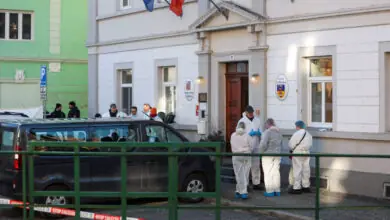
The explosion occurred as worshippers gathered for Friday prayers, when a vehicle laden with explosives was rammed into the entrance of the mosque. In the immediate aftermath, gunmen attempted to enter the police compound and exchanged fire with officers on duty. The attack was claimed by Ittehadul Mujahideen, a faction of the Pakistan Taliban (TTP) linked to Taliban commander Hafiz Gul Bahadur.
Provincial police chief Zulfikar Hameed confirmed the suicide bombing. Hospital officials reported that at least 15 bodies and more than 50 injured individuals were transported to local facilities, while other sources indicated the number of injured could be as high as 75. The precise death toll may rise as rescue operations continue, given the severity of the blast and the subsequent shooting.
Kohat is situated in the restive northwest of Pakistan, near the border with Afghanistan. The region has been a focal point for security operations targeting militant groups. The involvement of Ittehadul Mujahideen signals continued operational capability for TTP-aligned factions in the area, despite ongoing military and police counter-terrorism efforts.
The attack highlights the persistent threat posed by suicide bombings at public and security-sensitive sites during times of congregation. No further details regarding the identities of the specific officers killed or the exact sequence of the gun battle have been released. Authorities have not announced a specific timeline for a full forensic investigation, but the incident is expected to trigger extended security reviews in the Khyber Pakhtunkhwa province.
Separate from the Kohat incident, recent reports from the same region indicate a pattern of violence targeting security forces. In a related development in Dera Ismail Khan, a suicide bomb attack on a police checkpost in Aman Mela, Darazinda, killed at least 13 people and wounded 30. That attack was also claimed by the TTP. Additionally, an earlier incident involving a vehicle rammed into a roadside checkpoint in northwest Pakistan resulted in at least 12 deaths, underscoring the sustained pressure on security infrastructure in the border regions.
Legal proceedings related to such attacks typically involve multiple jurisdictions, with cases often handled by military courts or specialized anti-terrorism courts, depending on the status of the accused and the nature of the evidence. The presumption of innocence applies to any individuals detained in connection with these incidents until proven guilty in a court of law. The Pakistani government has not issued a new legislative measure in response to the Kohat attack but has reaffirmed its commitment to combating terrorism through existing legal frameworks.
The next significant legal step will be the determination of jurisdiction for any captured perpetrators and the filing of formal charges. Victims’ families may also pursue civil compensation claims under relevant provincial statutes. Security forces have increased patrols in Kohat and surrounding areas, but no specific date for the conclusion of the immediate security sweep has been announced.