

The decision follows the collapse of trade negotiations that took effect on August 22, hours after diplomatic discussions broke down. In response to the U.S. duties, Canada implemented its own retaliatory tariffs on $20 billion (27.6 billion Canadian dollars) of U.S. imports, targeting more than 700 goods across sectors including steel, dairy, farm equipment, pulp, paper, and electronics. U.S. Trade Representative Jamieson Greer described the new bans as a “natural consequence of Canada’s continued discriminatory treatment of crucial American exports,” citing alleged disadvantages in the auto, alcohol, and dairy sectors that contribute to the U.S. trade deficit in goods.
Economic Impact and Strategic Intent
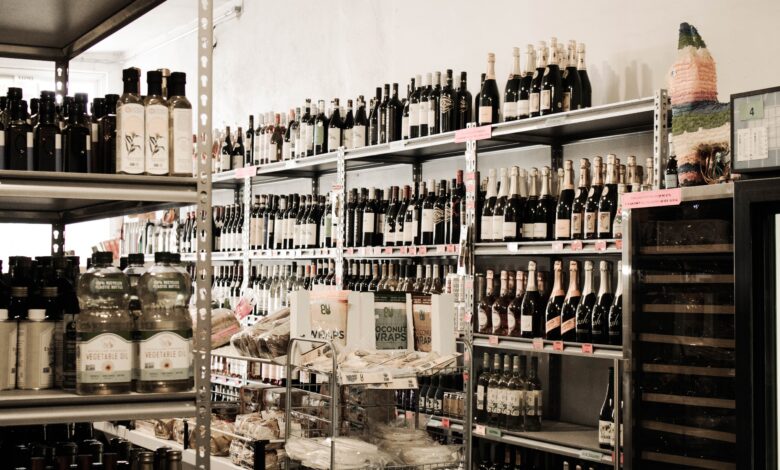
While the bans appear to be a sharp escalation, economic analysis suggests their direct financial impact on the broader U.S. economy may be limited. Derek Holt, vice-president and head of capital markets economics at Scotiabank, noted that Canada sends very little dairy and few motorcycles to the U.S. The most significant category is alcohol, with approximately $1.2 billion worth of exports sent south of the border last year. Holt characterized the actions as “face-saving” for the U.S. administration rather than substantively disruptive, arguing that the move is designed to apply political pressure rather than cause immediate macroeconomic shock.
However, the strategic intent behind the bans is to deter further retaliation. Barry Appleton, co-director of the Centre for International Law at the New York Law School, observed that the U.S. is ramping up pressure to discourage Canada and other countries from responding to the administration’s economic policies. Unlike tariffs, which can be negotiated down, import bans are difficult to reverse. “You can negotiate down a tariff — it’s a number — but a ban is usually here to stay,” Appleton said. This creates a permanent barrier to trade that signals a fundamental change in the bilateral relationship, effectively telling Canadian businesses that the rules of engagement have shifted permanently.
Business Responses and Legislative Pushback
For Canadian businesses, the shift from a 50% tariff to a total ban represents a final blow to sectors already struggling with months of uncertainty and steep costs. One Canadian distillery, facing the looming prohibition on its liquor exports, has paused its U.S. growth plans and is considering a pivot to overseas markets. This reaction highlights how businesses are being forced to restructure their supply chains and market strategies in response to policy volatility. The bans will affect not just large manufacturers but also smaller producers in the alcohol and dairy byproduct sectors, who may find it impossible to compete or access the American consumer market entirely.

The U.S. has also announced modifications to other Canadian tariffs, extending them from September 15 and adding all-terrain vehicles and animal hides to the list, while removing rock salt and cement. These adjustments suggest a targeted approach to maximizing economic leverage rather than blanket protectionism. Despite the diplomatic chill, there are signs of internal U.S. disagreement. Senator Kirsten Gillibrand has moved to block the Canadian import ban and roll back the associated tariffs, arguing that the measures harm American consumers and workers. This legislative pushback underscores the domestic tension between protectionist trade policies and the economic costs they impose on U.S. businesses and shoppers who rely on Canadian goods.
The situation remains fluid, with Trump indicating he sees no urgency for a deal as the dispute deepens. The administration has also threatened to impose a 50% tariff on cars, trucks, and auto parts starting January 1, 2027, if the current trajectory continues. For now, the focus remains on the September 29 deadline, where the transition from high tariffs to import bans will test the resilience of North American supply chains and the willingness of both governments to seek a diplomatic resolution.