
European Expansion and Supply Chain Integration
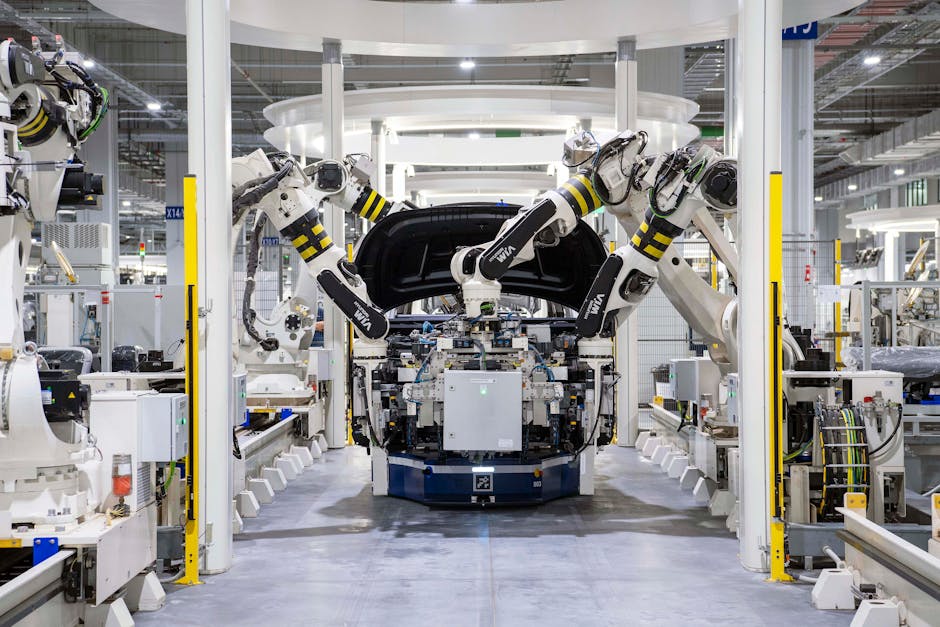
In parallel with the product launch, CATL has begun production of battery cells at its plant in Debrecen, Hungary. The facility, which has a planned annual production capacity of 100 gigawatt-hours, is the company’s largest overseas production base. Production started after the facility navigated a series of environmental and workplace safety challenges. The plant is designed to serve major European automakers, including Mercedes-Benz Group AG and BMW AG, and is expected to support the local economic development and the broader European new-energy vehicle supply chain.
CATL’s expansion is part of a broader strategy to secure its position as a system-level platform in the battery industry rather than remaining solely a component manufacturer. The company is actively seeking to define next-generation vehicle batteries, a stance that contrasts with automakers like Li Auto, which are pursuing in-house battery research to gain greater control over product definition and data. While Li Auto’s founder, Li Xiang, has stated that the company views CATL as a partner and intends to continue purchasing batteries, he emphasized the need to master system integration and full-lifecycle data. This dynamic reflects a shifting industry paradigm where the “black box” of battery technology is being scrutinized, with both suppliers and manufacturers competing to set the standards for energy density, safety, and cost efficiency.

Logistics Partnerships and New Market Ventures
To support its growing global footprint, CATL has signed a Memorandum of Understanding with logistics provider Kuehne+Nagel to advance battery logistics and fleet electrification. The collaboration, announced on September 29, 2026, focuses on the electrification of CATL transport flows in Europe and a battery-swapping pilot for heavy-duty trucks in China, provided by Qiji. The partnership also extends to battery recycling, aftersales support, and energy storage solutions for logistics sites, aiming to reduce Scope 3 emissions across both companies’ value chains. The initiative comes as demand for EV batteries increased by more than 75% in 2024, driving the expansion of gigafactories worldwide.
Furthermore, CATL is diversifying its market presence through new joint ventures. The brand Aiva, co-developed with Seres, officially unveiled its first production model, the ME7, during Paris Fashion Week on September 28, 2026. The ME7 is a mid-size crossover coupe SUV with a length of 4,850 mm and a wheelbase of 2,900 mm. The vehicle is manufactured by Saidou Technology, formerly Landian Technology, where Seres holds a 32.96% stake and CATL holds approximately 9.89%. This partnership marks Aiva’s transition from concept to mass production, targeting younger consumers with a design language inspired by nature. Additionally, CATL has licensed battery pack technology to an Egyptian firm and is investing in the AI data-center supply chain, signaling its intent to diversify beyond automotive applications into new growth markets.
The combination of the new high-performance battery, the operationalization of the Hungarian plant, and these strategic partnerships underscores CATL’s dual focus on technological leadership and geographic diversification. As the global EV industry navigates a transformative shift toward more integrated and efficient powertrains, CATL’s moves aim to solidify its role as a central node in the global energy transition, balancing the demands of traditional automakers with the needs of emerging vehicle brands and industrial sectors.