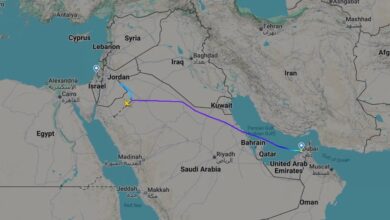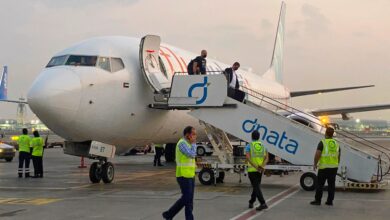
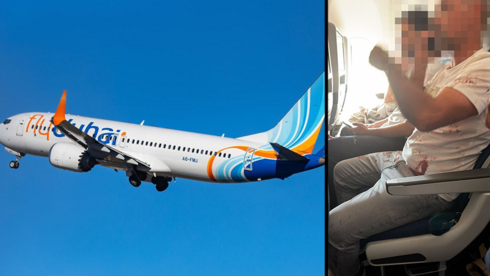
The incident began when the flight crew issued an emergency alert, sparking alarms that initially raised concerns of a potential hijacking or terrorist act. However, official statements have explicitly ruled out a hijacking scenario. Instead, the disruption appears to have stemmed from a violent altercation or “brawl” between the pilots inside the cockpit. Reports indicate that the disturbance was severe enough to cause the aircraft to undergo a sudden plunge, prompting the emergency landing.
While the immediate threat of a hostile takeover of the aircraft has been dismissed, the nature of the cockpit incident remains under intense scrutiny. Officials have characterized the event as “not something innocent,” suggesting that the actions of the crew members involved were deliberate or indicative of a significant breakdown in operational safety protocols. Investigations are currently probing whether the incident constituted a suicide attempt by one of the pilots or another form of intentional interference with the flight controls. Although a terrorist motive has not been entirely excluded by all investigative bodies, the primary focus has shifted to the interpersonal conflict between the flight deck personnel.
The diversion to Saudi Arabia highlights the critical importance of international aviation safety protocols and the rapid response capabilities of regional authorities. The decision to land the aircraft in a third country rather than continuing to the intended destination of Tel Aviv was likely made to ensure immediate medical and security intervention for the passengers and crew. The involvement of Saudi Arabian authorities underscores the interconnected nature of regional air traffic and the necessity for coordinated emergency responses across borders.
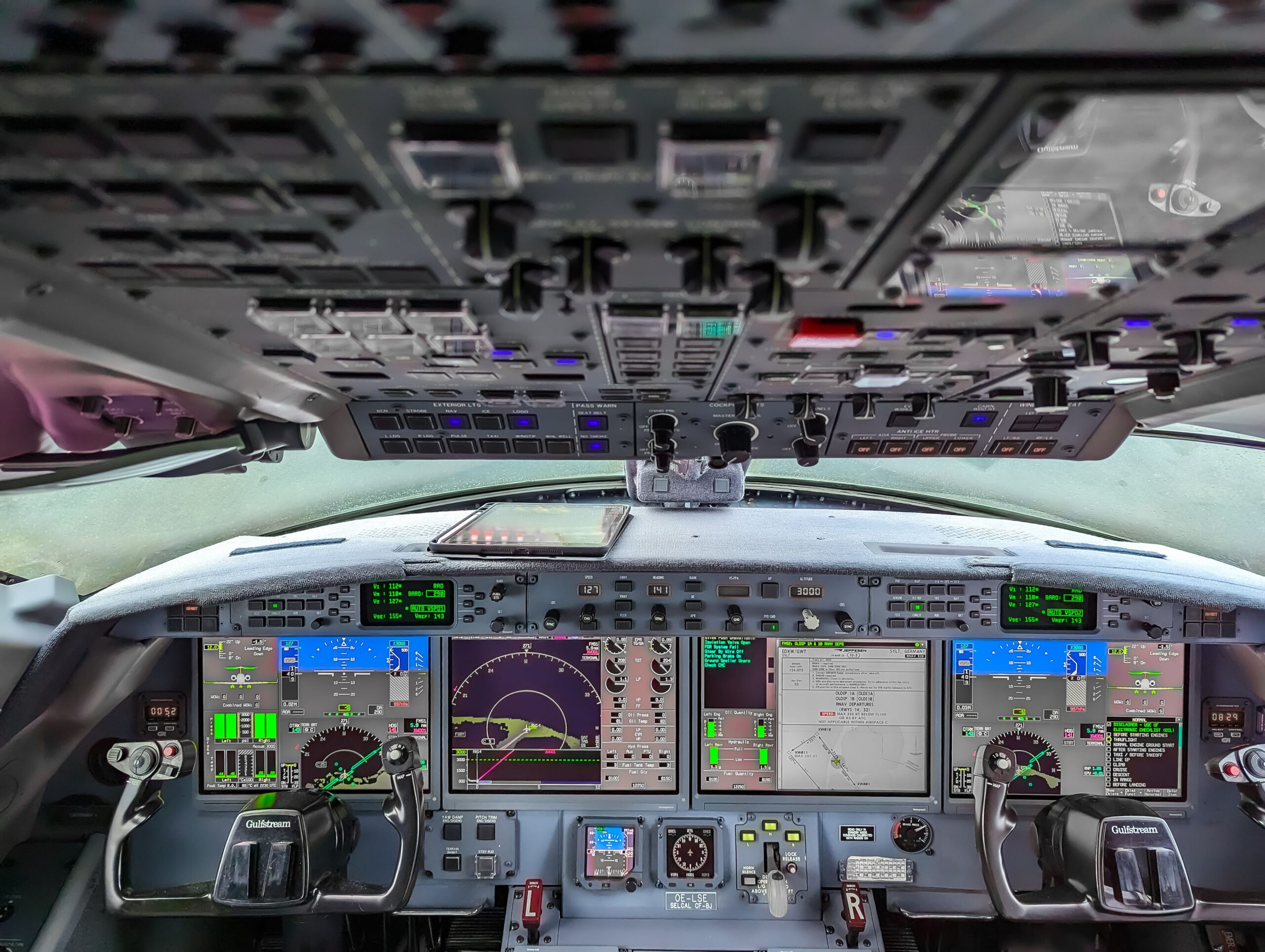
The details of the cockpit dynamics remain partially unclear, with varying accounts emerging regarding the specific actions taken by the pilots. The term “brawl” suggests a physical confrontation, while references to a “stabbing” point to the use of a weapon or sharp object within the confined space of the cockpit. Such an environment poses a unique challenge for aviation security, as the cockpit door is designed to be reinforced to prevent unauthorized access, but it does not prevent internal conflicts among authorized crew members.
As the investigation proceeds, attention will turn to the operational status of the Flight Deck and the immediate aftermath of the altitude change. The sudden plunge reported by witnesses or recorded by flight data recorders could have resulted in physical injuries to passengers and crew, in addition to the psychological impact of the emergency. Aviation authorities are expected to examine the black box data, including cockpit voice recorders and flight data recorders, to reconstruct the sequence of events leading up to the emergency landing.
This incident adds to a growing list of aviation safety concerns related to pilot fatigue, mental health, and interpersonal conflicts within the cockpit. While rare, such events have significant implications for airline safety standards and crew training protocols. The aviation industry, which relies on the trust of the public and the precision of its operations, must address these vulnerabilities to maintain the safety of air travel. The outcome of the investigation will be crucial in determining whether additional measures are required to prevent similar incidents in the future.

For now, the focus remains on the welfare of the 174 individuals aboard the aircraft. All passengers and crew are reported to be safe following the landing. The aircraft itself is expected to undergo a thorough technical inspection to ensure that the sudden altitude changes did not cause structural damage or mechanical failure. The flight’s diversion serves as a stark reminder of the complex challenges faced by commercial aviation in ensuring both security and safety in an increasingly interconnected global airspace.
The next steps in this case will involve a detailed official assessment by Saudi Arabian aviation authorities, potentially in coordination with other international bodies. The investigation will aim to establish the precise cause of the cockpit disturbance and evaluate whether the emergency response was adequate. Until further details are released, the incident remains a subject of significant concern for the aviation community and the traveling public.