Giovanni Castellucci, the former chief executive officer of Autostrade per l’Italia (Aspi), the highway operator managing the concession, received the longest sentence at 12 years in prison. Michele Donferri Mitelli, the former head of maintenance at Aspi, was sentenced to 11 years. The remaining defendants, who included personnel from Aspi’s engineering and inspection subsidiary SPEA, officials from Italy’s infrastructure ministry who supervised the concessionaire, and members of the Technical-Administrative Committee that reviewed strengthening projects, received shorter prison terms. The ruling also included acquittals for some defendants and the dismissal of certain charges where statutes of limitation had expired.
A “System of Defects” and Foreseeable Failure
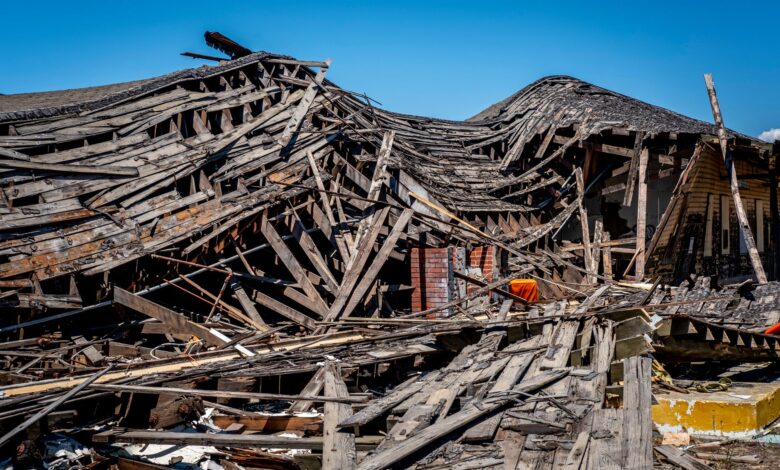
The court’s written opinion, the full text of which is due within 90 days, centers on what the tribunal described as a “system of defects” in the upper portion of the Genoa-seaward stay cable at Pier 9. The Morandi Bridge utilized a design with a small number of concrete-encased stay cables, a structural choice distinct from modern cable-stayed bridges that distribute loads across many exposed steel stays. Prosecutors and the court argued that deterioration within one of these stays at Pier 9 contributed to the collapse, which occurred during a rainstorm and sent approximately 200 meters of the viaduct plunging onto rail lines, warehouses, and city streets below.
“The trial examined whether the failure was foreseeable and preventable. The tribunal said responsibility extended across the bridge’s inspection, oversight and project-delivery chain.”
The legal reasoning behind the convictions focuses on the breakdown of the oversight chain. The court determined that the failure was not an unforeseeable act of God, but the result of neglect in inspection and maintenance protocols. The conviction of officials from the infrastructure ministry highlights the finding that state-level supervision failed to ensure the concessionaire met its safety obligations.
Abandoned Strengthening Plans
A key element of the criminal case involved an uncompleted reinforcement program for Piers 9 and 10. Before the collapse, Autostrade had sought bids for a project estimated at roughly $23 million to reinforce the stays at these piers. However, construction had not begun. The court examined the roles of those involved in the design of this planned work and the members of the Technical-Administrative Committee who reviewed the project, finding that delays and administrative failures in executing these known reinforcements contributed to the disaster.
The collapse severed one of northern Italy’s principal highway links, prompting a sweeping engineering investigation. In the aftermath, the damaged sections of the Morandi Bridge were demolished. They have since been replaced by the Genoa San Giorgio Bridge, a design by Renzo Piano, which opened to traffic in 2020.
The verdict marks a significant legal determination in a case that has dominated Italian public discourse for nearly a decade. By convicting a broad range of actors from private corporate executives to public officials, the Tribunal of Genoa established that liability for the disaster was distributed across the entire institutional framework responsible for the bridge’s safety. The decision is subject to appeal, and the full written opinion will provide further detail on the specific legal arguments and evidence that led to the individual sentencing outcomes.