
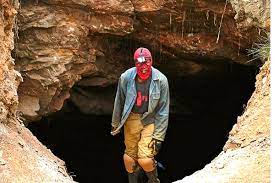
The legislative push is being driven by Justice Minister Mmamoloko Kubayi, who stated that tougher penalties are necessary because illegal mining syndicates are frequently associated with serious crimes. These include kidnapping, human trafficking, child and forced labor, illegal firearms offenses, rape, and murder. The government views the illicit industry as a persistent challenge that has cost the country billions of rand in lost revenue while fueling criminal activity around both abandoned and active mine sites.
The proposed legislation arrives as security forces intensify enforcement actions against the sector. In a recent large-scale operation at a gold mine shaft west of Johannesburg, more than 200 people were arrested. Police confirmed that 217 individuals were detained during the raid, which involved a coordinated effort by police, military personnel, and private security teams. Authorities indicated that the majority of those arrested were undocumented foreign nationals, with more than 100 identified as migrants from Lesotho. Nationals from Mozambique, Zimbabwe, and South Africa were also among those detained. Firearms and ammunition were seized during the operation.

The arrests are part of “Operation Prosper,” a security initiative launched by President Cyril Ramaphosa in February. The plan involves the deployment of approximately 2,200 soldiers to work alongside police in high-crime areas. Upon announcing the initiative, Ramaphosa described organized crime as the “most immediate threat” facing the nation. The operation targets not only illegal mining but also gang violence in crime-hotspot areas, reflecting a broader strategic shift in how the state addresses public safety.
Illegal mining, locally referred to as “zama zama” activity, involves unregistered miners entering abandoned or disused shafts to extract gold and other minerals. While some operations are linked to impoverished individuals seeking livelihoods, authorities assert that many have fallen under the control of organized criminal networks operating across national borders. These syndicates are reportedly involved in violent turf wars, extortion, weapons trafficking, and the smuggling of precious minerals. The issue has gained national prominence following several deadly incidents, including dangerous rescue operations from abandoned shafts and confrontations between rival criminal groups.
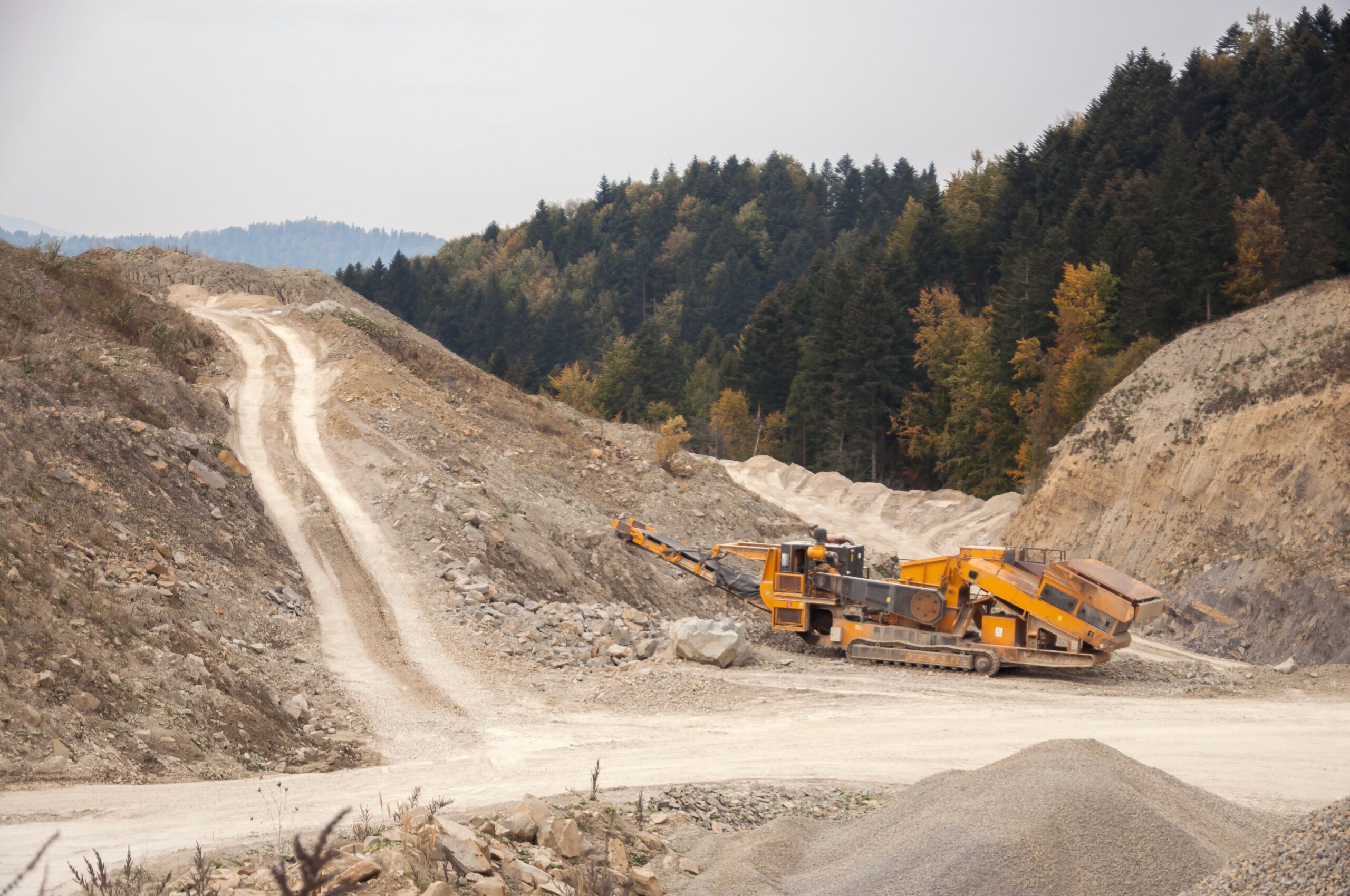
The crackdown coincides with a broader regional and domestic focus on illicit mineral trade and migration. In recent weeks, authorities have stepped up immigration operations amid growing domestic pressure regarding the impact of illegal migration on employment and public services. The legislative and enforcement efforts align with regional trends, where conflicts, such as that in Sudan, have fueled cross-border gold smuggling networks, prompting neighboring nations to strengthen border security.
The proposed bill remains at the legislative stage and has not yet become law. If passed, the new penalties would apply to future convictions for the specified offenses. The government maintains that the current legal framework is insufficient to deter the organized crime elements driving the illegal mining industry. The next step involves parliamentary debate and potential amendments before the Bill can be enacted.