
The encounter was defined as much by its brevity and the sharpness of the rhetoric as by its diplomatic significance. At a subsequent news conference, Lavrov dismissed the utility of the conversation, stating that he had learned nothing new from his German counterpart that had not already been articulated in Berlin’s official statements. “I told him that frankly you could just have called me and said: ‘read my statement,'” Lavrov said, underscoring the continued frostiness between the two capitals. Despite this public dismissal, officials from both sides confirmed that the ministers discussed bilateral ties and the ongoing war in Ukraine.
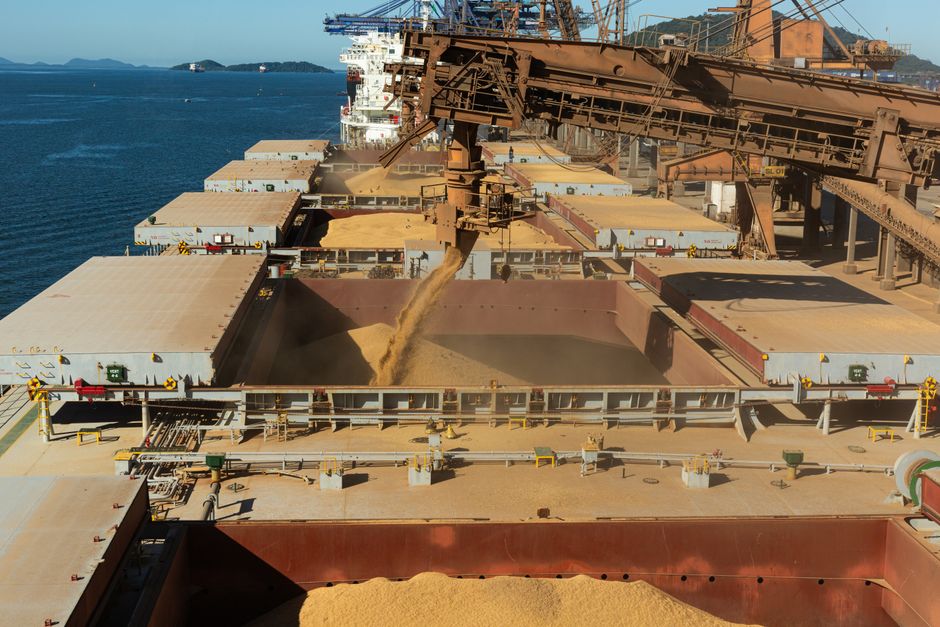
The central issue of the talks was the security of grain and energy exports in the Black Sea. Wadephul used the meeting to urge Lavrov to do “everything possible to reach an agreement on grain exports via the Black Sea,” according to a source from the German delegation. This diplomatic push comes against a backdrop of sharply curtailed exports, a result of attacks on vessels and port infrastructure. The German minister emphasized the urgency, telling Lavrov that “time is of the essence, given the food shortages in many countries — particularly in the global south — all parties must be willing to engage constructively.” He added that a pragmatic solution could pave the way for further concrete steps.

Russia’s position, however, remains rigid. Lavrov stated that Moscow has been in talks with India, Egypt, and Turkey regarding proposals to ensure safe navigation in the Black Sea, potentially involving bilateral deals. Regarding Ukraine, Lavrov asserted that there is a need for “separate discussions with the Ukrainians, and not in the language of requests, but rather demands.” He placed the blame for the attacks on vessels squarely on Ukraine. Kyiv has consistently stated that it is open to agreements but attributes all fallout from the war to Russia and its invasion.
“I used this opportunity to reiterate our position on Russia’s war of aggression against Ukraine and to call for an immediate and complete cease-fire, most pressingly with a focus on grain exports, and the energy infrastructure,” Wadephul wrote to his European allies.
The sensitivity of holding such talks with the wartime Russian foreign minister is evident in the subsequent diplomatic maneuvers. In a message seen by Reuters, Wadephul notified his European allies of the meeting only afterwards, a step taken to manage perceptions within the alliance. The German government’s stance remains firm; earlier this month, it concluded that Russia was responsible for a drone incident at Leipzig/Halle Airport in eastern Germany in August. In retaliation for that attack, which further escalated tensions, Berlin closed a Russian consulate and a Russian cultural center in the city.
The meeting in New York highlights the complex reality of Western diplomacy toward Moscow. While relations are suspended, the need to address global economic and humanitarian issues, such as food security, forces periodic, high-tension engagements. For Germany, the goal is to maintain pressure for a cease-fire and safe shipping lanes while signaling to allies that it remains committed to the collective European position. For Russia, the talks serve as a platform to reiterate its demands and frame Ukraine as the obstacle to peace and stability.
As the UN General Assembly proceedings continue, the gap between the two diplomats’ positions remains wide. Berlin is calling for immediate action on food exports and an end to the war, while Moscow insists on conditional talks with Kyiv and continues to attribute the crisis to Western support for Ukraine. The next steps in this diplomatic track remain uncertain, with the focus likely to stay on the practical, if difficult, problem of unblocking Black Sea shipping routes.
