
The missile strike into the Sea of Japan was identified by South Korea’s Joint Chiefs of Staff, which monitored the trajectory and confirmed the platform’s origin and flight path. This development extends a recent run of weapons tests that have intensified during a period of severe diplomatic and security friction between the two rivals. The timing of the launch is not coincidental; it follows a series of incidents that have sharply degraded the security environment near the border.
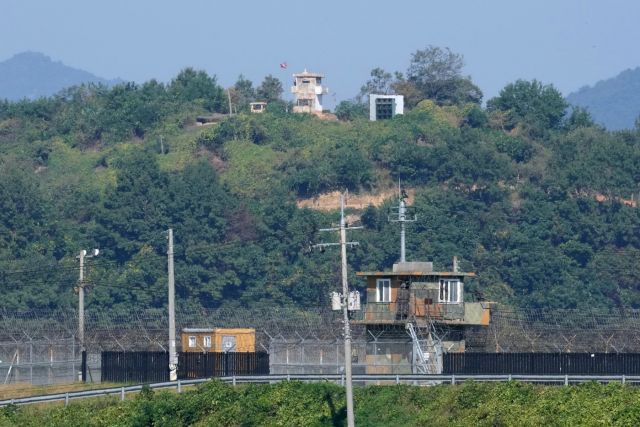
The broader context for this missile activity involves heightened tensions stemming from land mine blasts near the Demilitarized Zone (DMZ). These recent explosions injured three South Korean soldiers, marking a dangerous shift in the nature of cross-border incidents. The DMZ, the fortified buffer zone separating the two nations, has historically been a site of tense standoff, but the recent injuries to service personnel have introduced a new level of direct physical risk. In response to these provocations, North Korea’s missile launches serve as both a display of capability and a strategic signal of defiance.

From a defense perspective, the launch of a ballistic missile from Wonsan highlights the logistical and strategic flexibility of North Korea’s arsenal. Wonsan, located on the east coast, provides a launch site that allows for trajectories over the Sea of Japan, complicating detection and response efforts for regional defense systems. The confirmed flight distance of over 700 kilometers suggests a mid-range capability, though the specific type of missile was not detailed in the immediate military announcements. The repetition of such tests indicates a sustained effort by Pyongyang to demonstrate the reliability and reach of its strategic weapons systems.
South Korea’s military response has focused on monitoring and preparedness rather than immediate kinetic retaliation, maintaining a posture of deterrence. The Joint Chiefs of Staff have emphasized the importance of tracking these launches to assess potential threats to national security. For the South Korean military, the challenge lies in balancing the need to respond to provocations with the risk of escalating a conflict that could draw in other regional powers. The recent injuries to soldiers have placed additional pressure on Seoul to bolster its defensive measures along the border, potentially leading to increased troop deployments or enhanced surveillance operations in the DMZ area.
The strategic significance of these events extends beyond the immediate military exchange. The combination of land mine incidents and ballistic missile tests suggests a deliberate strategy by North Korea to test the resolve and readiness of its southern neighbor and its allies. This pattern of behavior aims to force a reaction while maintaining a plausible deniability regarding the intent to start a full-scale war. However, the increasing frequency of such incidents raises concerns about the stability of the region and the effectiveness of existing diplomatic channels.
As tensions continue to simmer, the focus remains on the DMZ, where the physical consequences of the conflict are most acutely felt by frontline soldiers. The three injured soldiers serve as a stark reminder of the human cost of this renewed militarization. Their injuries have galvanized public opinion in South Korea, demanding a robust defense posture while also raising questions about the long-term viability of a divided peninsula. The next confirmed military development will likely be dictated by how both sides manage the immediate aftermath of the Wonsan launch and the ongoing border incidents.
The missile flight from Wonsan has concluded, but the strategic implications remain unresolved. The South Korean military continues to monitor the region for any further provocations, while diplomatic efforts struggle to keep pace with the accelerating military tempo. The situation underscores the fragile nature of security on the peninsula, where a single miscalculation could trigger a broader conflict. For now, the trajectory of the missile has returned to the sea, but the trajectory of diplomatic relations remains uncertain and fraught with risk.