Passengers at Dubai International Airport (DXB) and Abu Dhabi’s Zayed International Airport reported further disruptions this morning, with several departures delayed. Affected services included flights operated by Emirates, flydubai, Air India, Ethiopian Airlines, and SpiceJet from Dubai, while a Jazeera Airways service from Abu Dhabi to Kuwait was cancelled. Despite these interruptions, UAE-based carriers continue to operate the majority of their regional networks. However, Air Arabia has reported cancellations to Kuwait and Bahrain, and flydubai suspended its Dubai-Abha service.
The broader pattern of airline adjustments reveals a staggered return to normalcy across the region. Air Canada has extended the suspension of its flights to Tel Aviv and Dubai until the end of March 2027, advising passengers to verify flight status before traveling. Cathay Pacific has cancelled its Dubai and Riyadh passenger flights up to and including January 31, 2027. Similarly, Wizz Air has suspended flights to Dubai and Abu Dhabi until October 24, although its services from mainland Europe to Amman have resumed.
British Airways has adopted a phased approach to restoring its Middle East schedule. Flights to Dubai are set to resume on November 3, starting with one daily service during the winter season before increasing to twice-daily operations in the summer. In contrast, services to Abu Dhabi will remain suspended for a significantly longer period, with resumption scheduled for the winter 2027-2028 season. BA’s Doha service resumed on September 1 at a reduced frequency of one flight per day, down from the previous twice-daily schedule. Kazakhstan’s national carrier, which had suspended flights from Almaty and Astana to Dubai until September 30, has now opened bookings for travel on and after October 1.
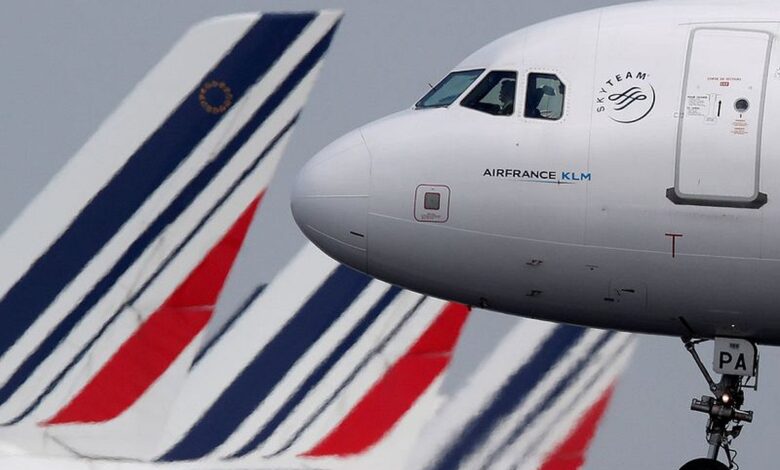
Air France has resumed regular flights to Tel Aviv and Beirut, but its suspensions for Riyadh and Dubai remain in effect until late October. The airline stated that affected customers are being contacted individually, reiterating that the safety and security of passengers and crew remain its absolute priority. Cathay Pacific similarly offered affected travelers the flexibility to rebook, reroute, or receive refunds, noting that it will continue to monitor the evolving situation.
These operational changes occur against the backdrop of ongoing diplomatic efforts to end the US-Iran war. US President Donald Trump stated on September 28 that Washington would win the war “very soon” and that it would end quickly, following discussions between US officials and mediators. Iranian Foreign Minister Abbas Araghchi indicated that Tehran is awaiting a US response to proposals discussed through Qatari mediators. Key points of contention remain Iran’s nuclear program and arrangements regarding the Strait of Hormuz. Meanwhile, the Iranian Revolutionary Guard has accused Washington of failing in its campaign and urged Americans to protest against the administration.
Market indicators suggest some easing of immediate supply concerns, with the global average jet fuel price falling 4.9 percent week-on-week to $185.43 per barrel, according to IATA data. This decline follows a pullback in oil prices amid the restoration of key Middle East export infrastructure. For travelers, however, the immediate reality remains one of uncertainty, with airlines advising passengers to check individual flight statuses before heading to the airport, even if bookings were previously confirmed. The next phase of diplomatic engagement will likely determine the pace at which remaining international carriers resume full operations in the region.