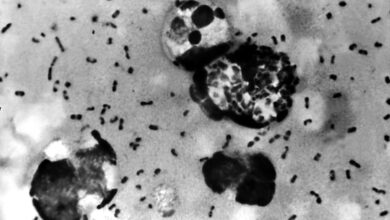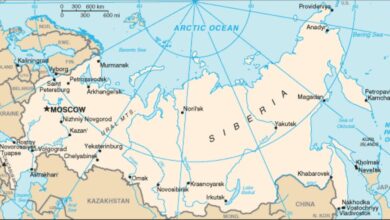
The current 2025-2026 season in Germany has seen 116 cases, comprising 100 confirmed and 16 probable infections. Patients are classified as confirmed cases if they fell ill between June 2025 and March 2026 and whole genome sequencing (WGS) analysis identified the same outbreak strain as in previous years. The Robert Koch Institute (RKI) noted that despite findings available for several years, cases are being identified again in Germany and other European countries, involving isolates closely related to the outbreak cluster from prior seasons. Since June 2026, the RKI has recorded 39 additional cases associated with the outbreak.
Looking at the wider picture, the European Centre for Disease Prevention and Control (ECDC) reports that between January 2023 and September 2025, there were 437 confirmed infections in the EU/EEA. The outbreak has affected 17 EU/EEA countries, with Italy, Germany, and Austria reporting the highest numbers. The strain has also crossed borders to North America, with 24 cases reported in the United States and 10 in Canada. The persistence of the outbreak across multiple seasons and countries indicates a persistent contamination source in primary production.
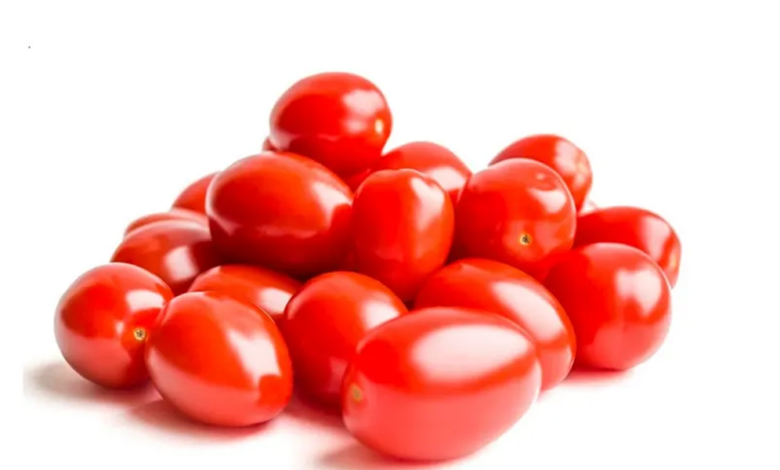
Medical experts have established a strong link between the human cases and the agricultural environment in Sicily. Italian authorities conducted extensive investigations, including market sampling and environmental monitoring. A critical finding emerged when Salmonella Strathcona was detected in the irrigation water of a tomato producer in Sicily. An isolate obtained in April 2025 was linked via WGS to the outbreak cluster. These findings suggest that the production environment, particularly the irrigation water, played a significant role in contaminating the tomatoes. The bacterium was also detected in other matrices connected with aquatic environments, highlighting the need for a multi-disciplinary strategy that integrates environmental assessments to mitigate contamination risks.
The demographic profile of those affected provides insight into the reach of this foodborne pathogen. In the 2025-2026 German outbreak, the age of ill people ranged from less than one year to 87 years, with a median age of 39. Women were affected more frequently than men, with 66 female cases compared to 49 male cases. For 80 of the 116 German cases, information on the country of exposure was available. Germany was the place of exposure for 48 cases, while 32 cases had exposure abroad, 27 of which were linked to Italy. Among the 17 people whose exposure occurred abroad, 16 had eaten tomatoes. In Germany, five sick individuals reported purchasing tomatoes from the same supermarket chain, where Italian tomatoes were confirmed to have been sold during the relevant period.
Salmonella Strathcona typically causes gastrointestinal illness characterized by diarrhea, fever, and abdominal cramps. While many cases resolve on their own, severe infections can occur, particularly in high-risk groups such as older adults, young children, and individuals with weakened immune systems. In the recent German data, hospitalization data was available for 91 individuals, of whom 24 were hospitalized specifically due to salmonellosis. The outbreak curve for the last season showed a peak in late October 2025, with cases occurring primarily between August and December, before becoming sporadic in early 2026.
The recurrence of this outbreak raises significant concerns about the effectiveness of current food safety controls. The same Salmonella Strathcona strain was involved in a 2011 outbreak in Denmark, also linked to Sicilian tomatoes, and was identified in a 2023 outbreak in Italy and Austria. This historical continuity suggests that previous interventions have not fully eliminated the contamination source. The ECDC emphasizes that persistent contamination in primary production can trigger multi-year outbreaks in several countries, increasing the risk for repeated cross-border spread.
In response, health authorities are advocating for stronger surveillance and targeted control measures. The ECDC recommends that member states continue to sequence human Salmonella isolates to quickly identify epidemiological links and trace contaminated products. Crucially, effective control measures must be implemented during the pre-harvest and harvest phases, with a specific focus on monitoring irrigation water sources. Until the definitive source is fully controlled, consumers are advised to maintain strict food hygiene practices, including thorough handwashing, careful rinsing of fresh fruits and vegetables, and avoiding cross-contamination by keeping raw and cooked foods separate. The ongoing challenge underscores the complexity of managing food safety in a globalized supply chain, where environmental factors in one region can impact public health on another continent.