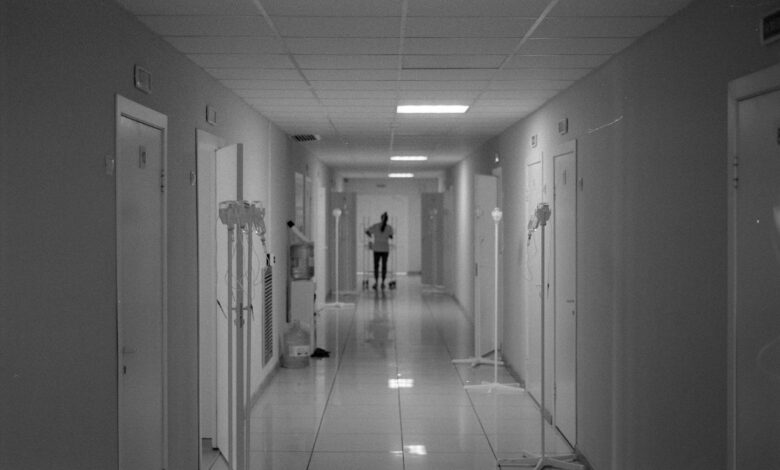
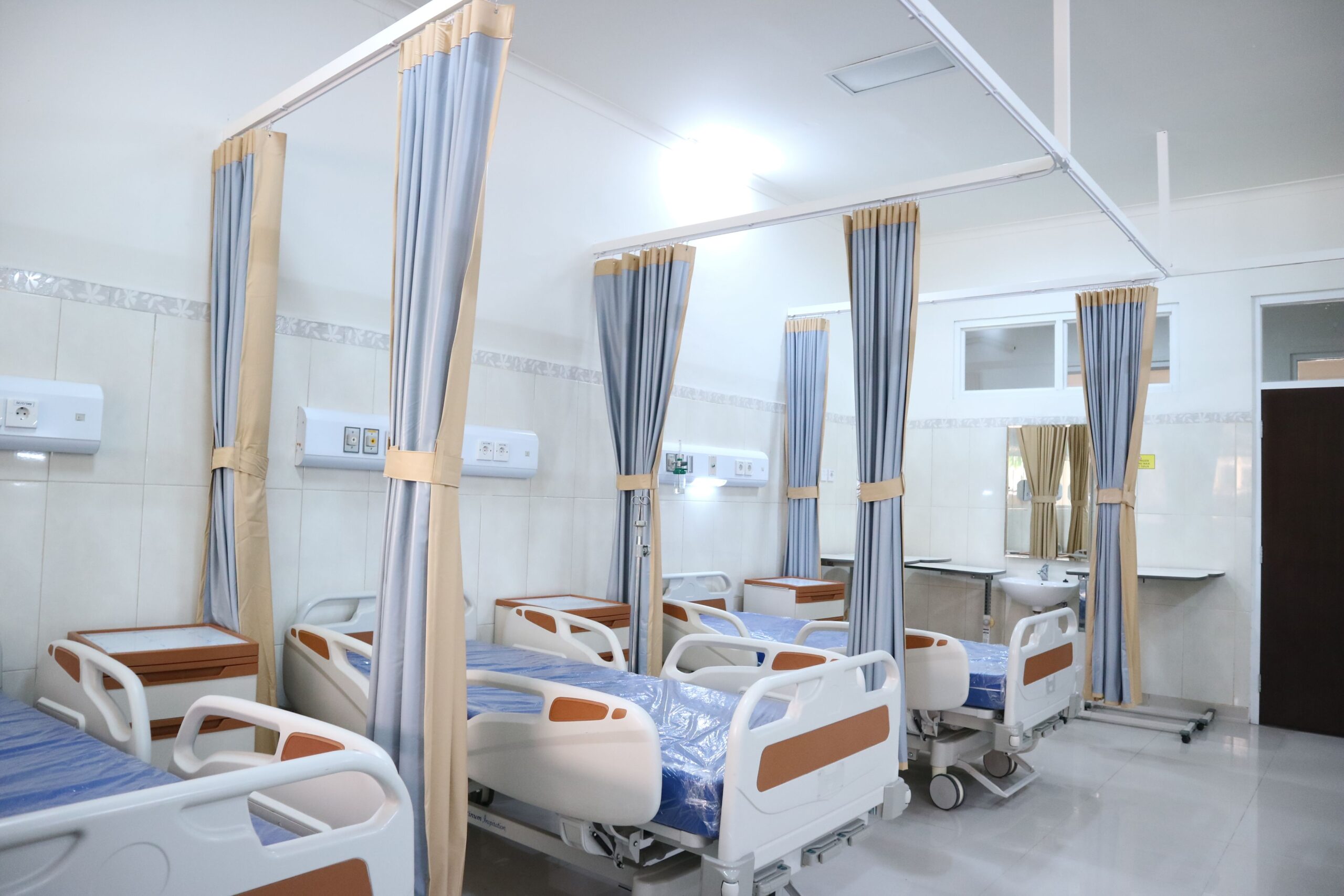
Upon arrival at the LUMC, the patient will immediately enter a state of strict isolation. The hospital has confirmed that a team of infectious disease specialists will manage the case within its secure unit, a facility specifically engineered to handle dangerous pathogens. The unit features isolation rooms equipped with double-door airlocks to prevent the release of contaminants, and two of these rooms are additionally configured as intensive care units to provide advanced life support if the patient’s condition deteriorates.
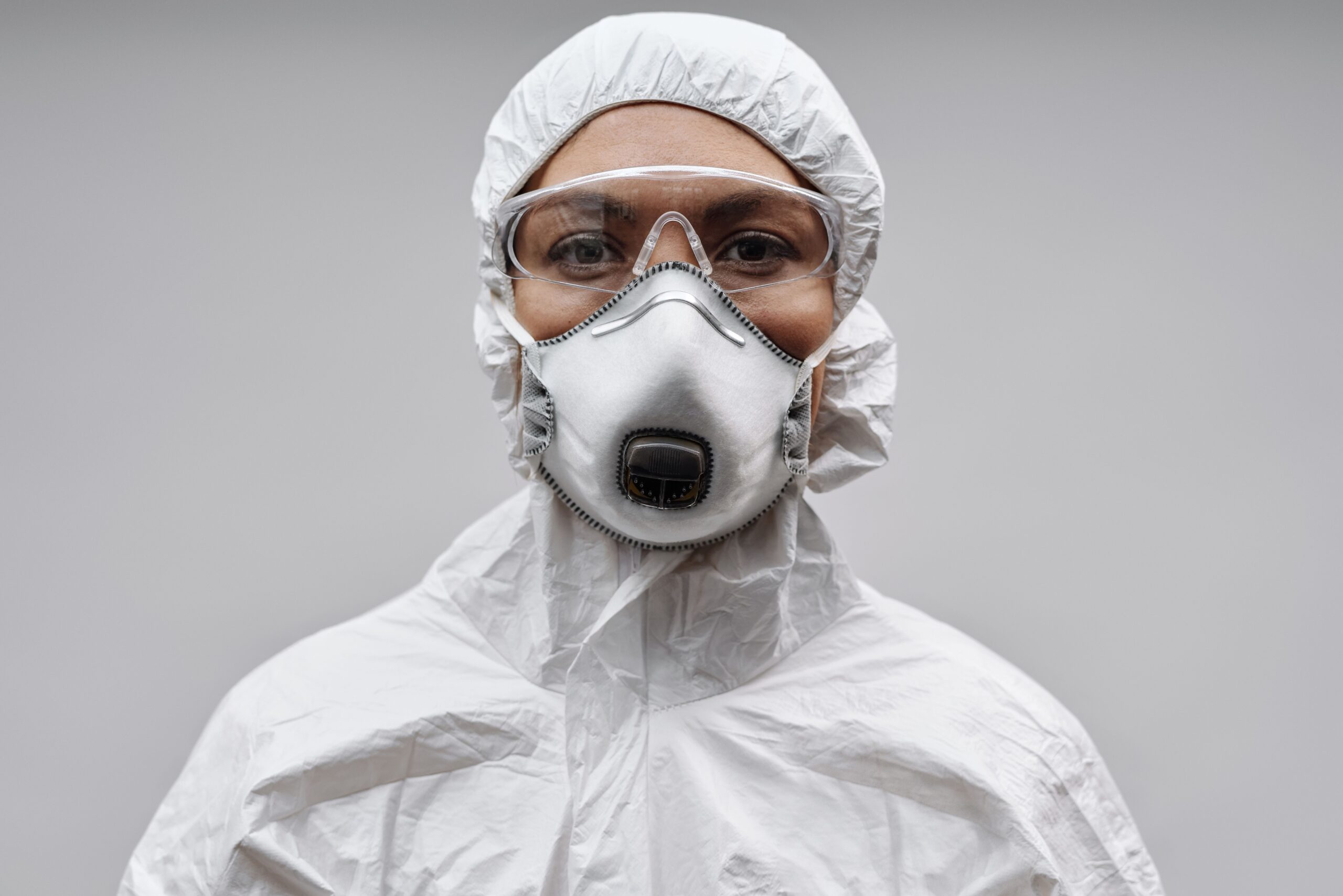
The clinical protocol for this case is designed to mitigate the high transmissibility of the virus. Ebola is spread from person to person through direct contact with bodily fluids, including blood, vomit, sweat, and saliva. Consequently, all precautionary measures are being implemented to ensure that transmission is strictly contained within the hospital environment. The LUMC stated that the treatment will follow applicable protocols with which the staff is familiar, as the facility practices these isolation procedures regularly.
The strain of Ebola affecting the patient is the Bundibugyo variant. This particular variant has been the subject of significant public health concern due to its sustained spread in Central and East Africa. The World Health Organization (WHO) has declared the current situation an international emergency, underscoring the severity of the outbreak. While the virus is highly infectious, understanding its transmission dynamics is crucial for both clinical management and public health interventions. The disease typically presents with initial flu-like symptoms, such as fever, headache, and muscle pain. As the infection progresses, it can lead to severe internal and external bleeding in later stages.
The medical community remains focused on the high mortality rate associated with the disease. According to the WHO, the fatality rate for Ebola is approximately 50 percent, highlighting the critical need for rapid and specialized intervention. The decision to transport the patient to the Netherlands reflects a broader international effort to manage complex infectious disease cases where local resources may be strained or where advanced isolation facilities are required to ensure safety for both the patient and the surrounding community.
The presence of an isolated, secure unit at the LUMC illustrates the preparedness of European health systems for such events. By utilizing double-door airlocks and dedicated intensive care capabilities, hospitals in the region are positioned to handle high-consequence pathogens. This approach not only aims to treat the individual patient but also serves to prevent any potential secondary spread, adhering to strict containment standards.
As the aid worker undergoes treatment, the focus remains on the broader implications of the Bundibugyo outbreak. The declaration of an international emergency by the WHO signals that the situation requires a coordinated global response. The movement of the patient to a specialized facility in the Netherlands is a testament to the interconnected nature of modern healthcare and the protocols in place to manage infectious disease threats across borders.
The next phase of the patient’s care will involve continuous monitoring and intensive treatment within the isolated environment. The medical team will work to stabilize the patient’s condition while maintaining the highest levels of biosecurity. The outcome of this case will be monitored closely, not only for the patient’s recovery but also as a data point in the broader management of the Ebola outbreak in the DRC and Uganda.
The situation underscores the persistent challenge posed by Ebola in regions with limited healthcare infrastructure. While the virus is not new, its recurrence and the emergence of variants like Bundibugyo continue to test the resilience of public health systems. The careful handling of this case in the Netherlands highlights the importance of international cooperation and the readiness of specialized medical centers to respond to global health emergencies.