
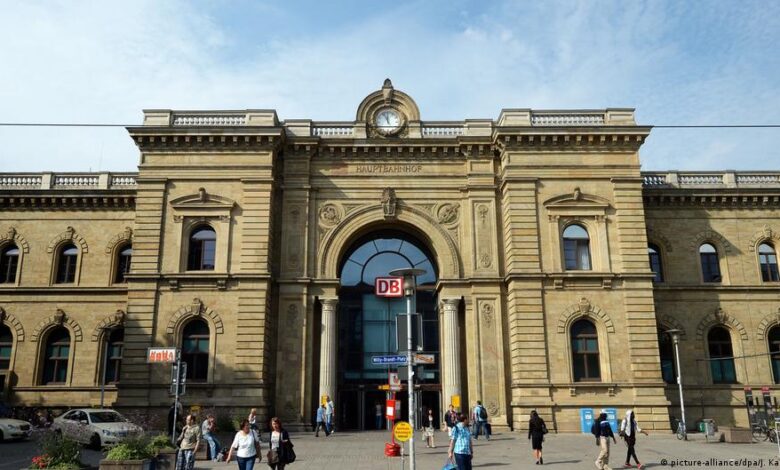
The sequence of events began with the initial arrest, which was complicated by the presence of several partially masked individuals. These individuals had previously participated in a demonstration by right-wing extremists in Dessau-Rosslau, located 60 kilometers to the southeast. As police moved to detain the 32-year-old suspect, they faced active resistance not only from the man himself but also from the surrounding crowd. The suspect attempted to seize a baton from one of the officers, and police reported that they had to exert considerable effort and utilize pepper spray to subdue him and complete the arrest.
Following the suspect’s detention, eleven of his associates, comprising nine men and two women aged between 15 and 33, attempted to reach the man in custody. Police forces pushed the group back, ultimately expelling them from the station. Reports indicated that the demonstrators were also calling on an additional 50 of their number to join the effort to recover the man from police control. All eleven individuals involved in the attempt to storm the station were subsequently arrested.
The incident in Magdeburg, situated 156 kilometers west of Berlin, underscores a broader trend documented by German authorities. The number of violent crimes with a right-wing political motive has risen substantially in recent years. Data from the Interior Ministry for 2015 recorded 1,485 violent far-right crimes, a significant increase from 1,029 cases in 2014. This upward trajectory is part of a larger pattern of “hate crimes,” including offenses of a racist or anti-Semitic nature, or those targeting individuals based on their religion. In 2015, these broader categories of hate crimes rose by 72 percent, reaching a total of 10,373 incidents, compared to 5,858 in the previous year.
German Interior Minister Thomas de Maiziere addressed the statistical rise in such activities, noting that the increase in right-wing politically motivated crime is most evident in xenophobic incidents. He stated that such behavior is unacceptable and will be met with strong measures by both the police and the justice system. The Minister’s comments reflect the institutional response to the growing frequency of violent far-right actions across the country.
The legal proceedings stemming from the Magdeburg incident will likely focus on the specific charges brought against the eleven arrested individuals for their role in attempting to breach the police station and assist the suspect. The primary legal question centers on the extent of their involvement in obstructing police operations and the use of force or intimidation to free a detainee. While the 32-year-old suspect faces charges related to the original assault on the pedestrian, the associates face separate criminal liability for their actions at the station. The case illustrates the increasing challenges law enforcement faces in managing demonstrations that transition into direct confrontations with state authority, particularly when motivated by extremist ideologies.
The next confirmed legal step for the eleven arrested individuals will be their processing through the judicial system in Magdeburg, where prosecutors will determine the specific nature of the charges. This follows the established procedure for handling incidents involving the obstruction of public officials and public order violations. The outcome of these proceedings may provide further clarity on the judicial approach to far-right violence in Germany, a subject of ongoing public and political debate as statistics continue to show a rise in such incidents.