The impact caused immediate and severe structural damage to the hull, cracking the fiberglass structure and creating multiple gashes that allowed water to flood the vessel. The collision also destroyed the steering gear on the starboard side, rendering the boat unsteerable. Crew member Jemma Cooper, who was at the helm, described a loud thud that pushed the boat sideways and threw her from the steering wheel. Upon looking outside, she observed a pod of six to eight sperm whales, including individuals described as being as long as the boat itself. Her husband, Jeremy Cooper, who was below deck, noted that the situation was immediately recognized as serious due to the extent of the flooding and mechanical failure.
It was pretty immediately evident it was very serious. All the steering gear was smashed on the starboard side, and there was a significant amount of water coming in.
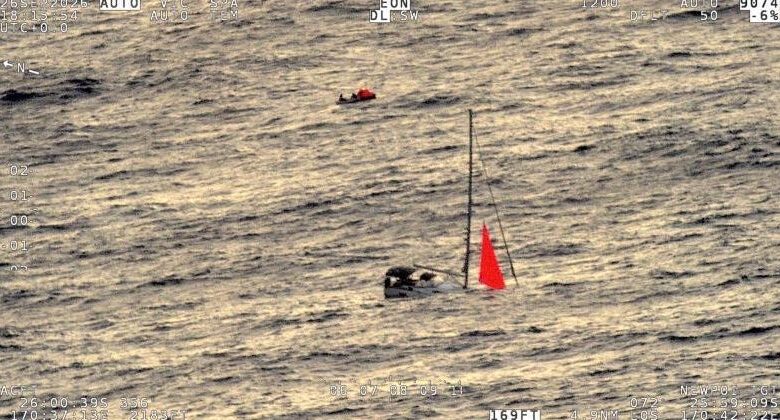
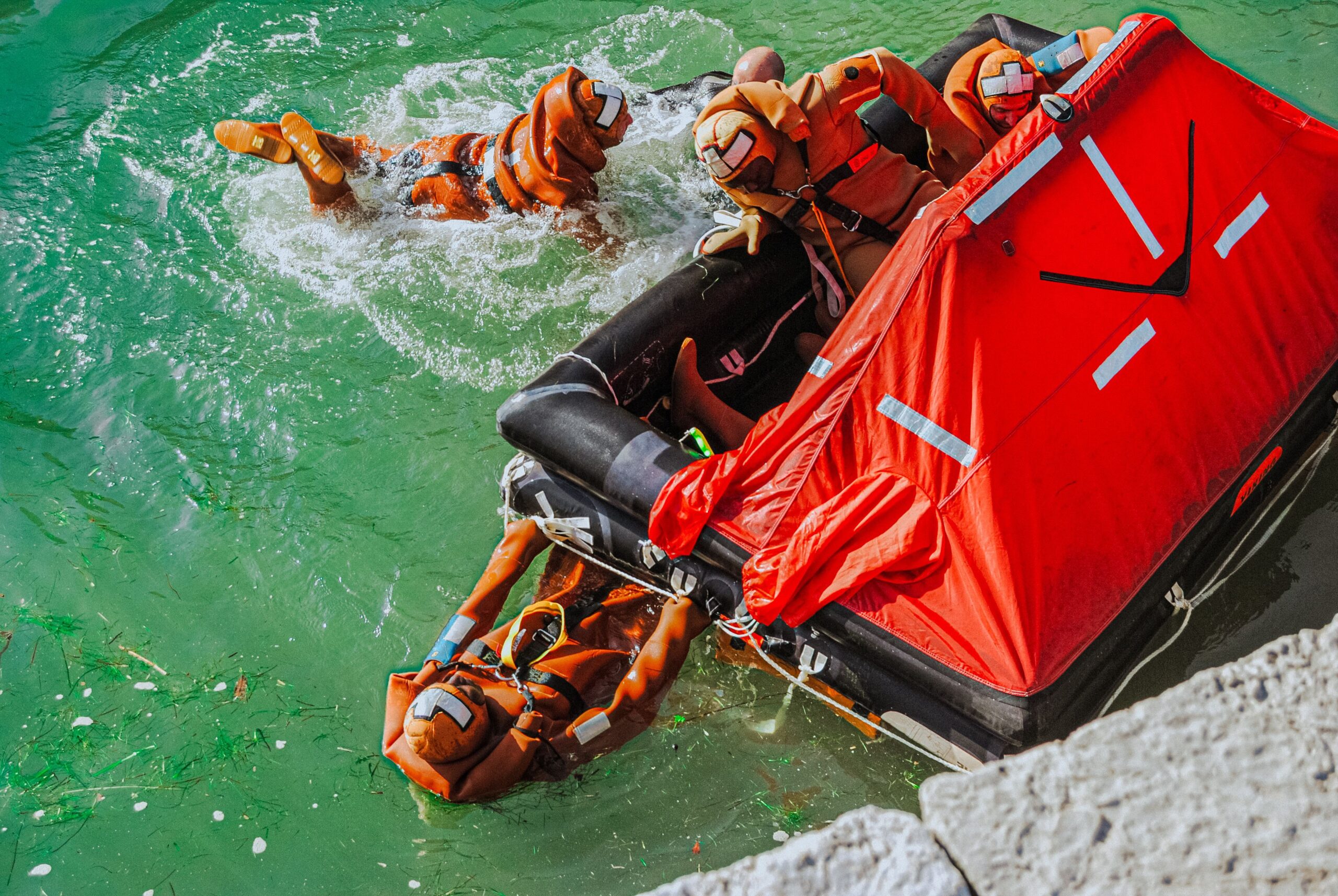
The crew activated an emergency beacon and declared a mayday at 1:00 p.m. New Zealand time on Saturday, roughly 30 minutes after the collision. In the ensuing hours, the sailors attempted to mitigate the flooding by bailing water and using expansion foam to seal breaches. French crew member Martin Jaffre was reported to have swum below the vessel to inspect the hull damage. Despite these efforts, the water intrusion proved unrecoverable, and the crew abandoned ship, evacuating to a life raft as the yacht went down.
The Royal New Zealand Air Force deployed a P-8A Poseidon patrol aircraft to the area to establish radio communications and coordinate the rescue operation. The aircraft worked with nearby vessels to divert traffic toward the stranded sailors. After 17 hours in the raft, the four crew members were rescued by the 469-foot cargo vessel MV Sofrana Surville around 6:00 a.m. on Sunday. Terry Hetherington, a New Zealand crew member, stated that the weather conditions were calm at the time of the incident, noting that the outcome could have been significantly different had the collision occurred during rougher seas.
Rescue Coordination Center Operations Manager Mike Clulow confirmed that the crew executed all necessary safety protocols. He emphasized that the early activation of the emergency beacon was critical in enabling a timely rescue. The incident underscores the vulnerability of recreational vessels to collisions with large marine mammals, particularly in remote areas where immediate assistance is unavailable. While such encounters are rare, the physical force of a sperm whale is sufficient to compromise the structural integrity of a standard fiberglass yacht, leading to rapid sinking when combined with water intake and steering failure.
The four survivors, including the Cooper couple and two other crew members, were brought aboard the container ship safely. The Coopers have indicated that despite the ordeal, they plan to return to sailing in the future. The incident has drawn attention to the risks of navigating through areas with high whale activity, though specific regulatory changes or new warnings were not immediately announced in the available reporting. The rescue operation involved coordination between military aviation and commercial shipping, demonstrating the international nature of maritime safety responses in the South Pacific.
No injuries were reported among the crew members who spent the night in the life raft. The investigation into the specific mechanics of the collision and the extent of the whale’s involvement in the hull failure is ongoing, with the primary focus remaining on the successful evacuation and rescue of the crew. The Tai Tam was confirmed to have sunk following the collision, leaving the incident as a stark example of the dangers posed by large marine animals in open ocean environments.