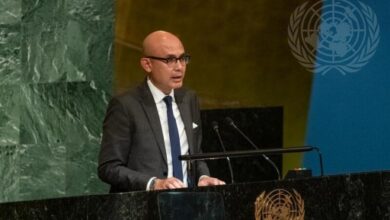

Muresan, a 45-year-old member of the European Parliament, had sought to form a “reform-oriented” center-right government to end a monthslong instability that began in May. His candidacy was backed by the National Liberal Party (PNL), the Save Romania Union (USR), and the ethnic Hungarian UDMR party. Despite describing recent discussions with minority groups and independent parliamentarians as “extremely productive” and expressing confidence that he was in the “200-vote range,” Muresan could not secure the 233 votes required to form a majority government. He had secured support from approximately 170 lawmakers, falling short of the necessary threshold.
The collapse of the previous four-party, pro-European coalition in May triggered the current impasse. The coalition fractured when the governing Social Democratic Party (PSD) joined forces with the nationalist opposition Alliance for the Unity of Romanians (AUR) to oust former Prime Minister Ilie Bolojan via a no-confidence motion. The PSD, which holds 129 seats in parliament and is the largest party in the country, has refused to back Muresan. Party officials have characterized him as a “second-hand Bolojan” and arrogant, demanding the premiership for themselves rather than supporting a continuation of the previous political alignment.
Constitutional Crossroads and the Far-Right Threat
The political calculus surrounding the next steps is heavily influenced by polling data. The far-right AUR party, which played a key role in the previous government’s downfall, is currently ahead in the polls. President Dan, an independent moderate who has ruled out governing with the far right, faces a dilemma. While the constitution allows for snap elections, Dan has publicly expressed a desire to avoid a national vote that would likely benefit the AUR. Instead, he is urging political leaders to look beyond party lines to form a new coalition based on the national interest.

“Politicians need to look towards the people who gave them their mandate,” Dan said during a visit to the Czech Republic prior to the parliamentary vote. “When an overwhelming majority of Romanians say that this crisis should end, there are good chances that politicians will be persuaded to reach an agreement.”
Muresan, who has served as an MEP since 2014, argued that his experience in Brussels qualifies him to handle the current security and economic challenges. In an interview with The Associated Press at the Palace of Parliament, he cited energy security, cybersecurity, and drone violations of Romanian airspace as primary threats requiring an international dimension. He maintained that his responsibility was to secure the necessary votes until the plenary session, emphasizing the need for a pro-EU cabinet with an ambitious reform agenda.
Analysts suggest that Muresan’s chances were slim from the outset, given the PSD’s refusal to participate in a coalition that does not place them in the driver’s seat. The PSD’s exit from the ruling coalition was driven by opposition to austerity measures introduced by Bolojan. With the rejection of Muresan, the political landscape remains fragmented. The PSD insists on its right to govern, while the PNL, USR, and UDMR hold the balance of power but lack the seats to govern alone without the PSD or other significant blocs.
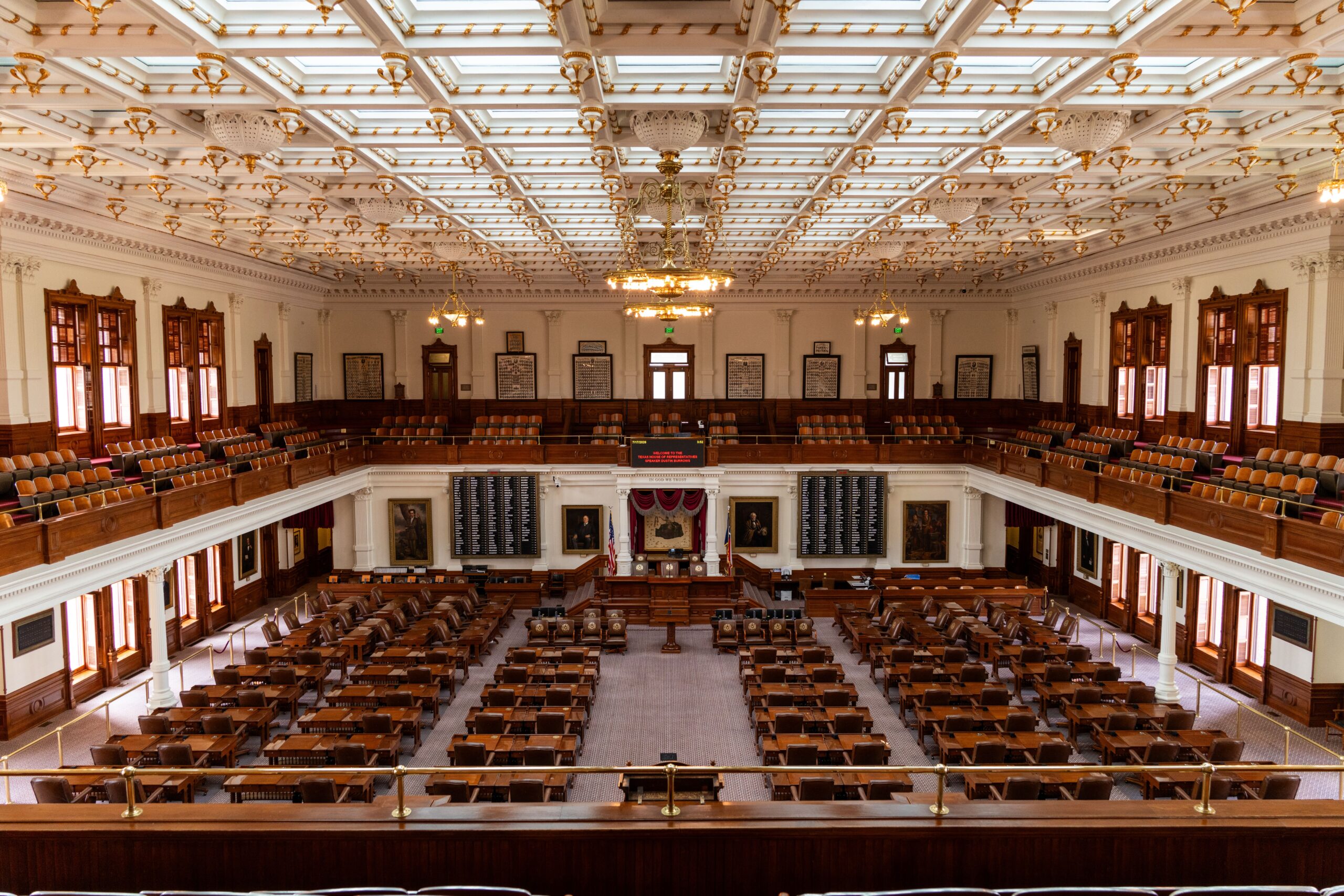
President Dan’s strategy now hinges on whether he can persuade the feuding factions to compromise before he is forced to dissolve parliament. The pressure is mounting on Romanian politicians to reach an agreement, as the public mandate for stability grows stronger. If negotiations fail, the country will move toward snap elections, a scenario that both the PSD and the pro-European bloc may view with caution, yet one that remains the most likely constitutional outcome if a new coalition cannot be forged in the immediate term.
The next critical development will be President Dan’s official decision on whether to initiate the process for new elections or to appoint a further candidate, a move that would likely face similar parliamentary hurdles. The stakes are high for Romania’s stability within the EU and NATO, particularly given the security concerns raised by the ongoing regional conflicts.