
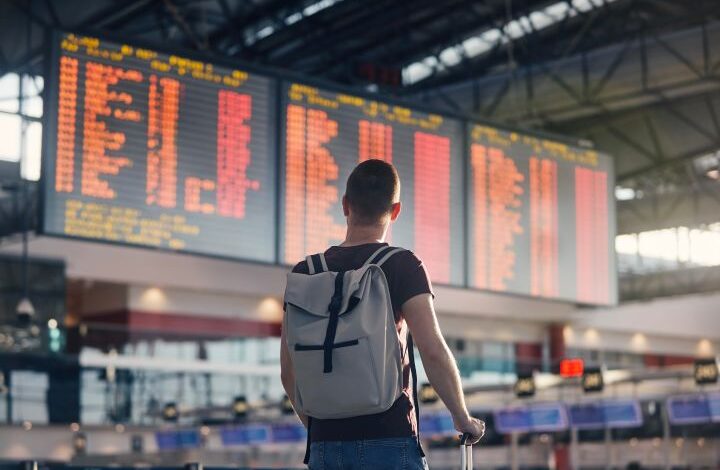
The central development of the day was the comprehensive halt of the transportation sector. The strike affected flights, trains, ferries, buses, metro systems, and airport transfers nationwide. According to estimates provided by aviation consultancy AirAdvisor, the air transport sector faced the most immediate operational crisis, with up to 1,150 flights potentially cancelled. This figure translates to approximately 179,000 passengers experiencing disruptions, though official totals remained subject to change as the day progressed. The breadth of the strike extended beyond private travel; the action also impacted schools, healthcare services, and public administration, signaling a broad-based challenge to state and municipal operations.
The political significance of such a total stoppage lies in its demonstration of labor’s capacity to influence national stability. By synchronizing disruptions across air, rail, and maritime sectors, the striking workers exerted maximum pressure on both the government and the private sector. The decision to halt services simultaneously across these diverse industries suggests a unified front among various trade unions and worker groups, aiming to leverage the essential nature of transport to amplify their political or economic demands. While the specific grievances driving the strike were not detailed in the immediate reports, the inclusion of public administration and healthcare in the action indicates that the dispute transcends simple wage negotiations in the transport sector, touching upon broader public service delivery.
For the institutions responsible for governance, the strike presented an immediate test of crisis management and public communication. Authorities and service providers were forced to shift into reactive modes, prioritizing the safety and information of stranded citizens. The primary institutional response focused on advising the public to verify their travel status directly with airlines and transport operators before heading to departure points. This advisory reflects the standard protocol during industrial actions but was amplified by the sheer volume of affected services.
The impact on travelers highlighted the vulnerabilities in international and domestic travel planning. With such a high number of potential flight cancellations, the economic and logistical burden fell heavily on both passengers and operators. Travelers were urged to check rebooking options, a process that can be complicated during widespread disruptions due to system overloads and limited availability. Furthermore, the advisories highlighted the relevance of EU261 regulations, reminding passengers of their entitlements regarding compensation and care in the event of significant delays or cancellations. This legal framework serves as a critical check on employer and carrier liability, ensuring that the rights of individuals are protected even during periods of industrial conflict.
The distribution of the strike’s effects was not uniform. While the 1,150 figure for flight cancellations represents an estimate that could fluctuate, the certainty of disruption to trains, ferries, and metro systems was absolute. For commuters, this meant the total absence of regular transit options, forcing a reliance on private vehicles or shared rides, which in turn placed additional strain on road networks. The inclusion of healthcare services in the strike list raised concerns regarding emergency care access, although specific details on service reductions in hospitals were not elaborated in the immediate coverage. The involvement of schools indicated that educational institutions were also closed or operating with reduced staff, affecting families and shaping the social fabric of the day.
Uncertainty remained a key factor throughout the day. As the strike was ongoing, official totals for affected passengers and cancelled flights were not finalized, creating a period of flux for travelers and businesses alike. The exact duration of the operational recovery post-strike was also an open question, as the backlog of delayed flights and rescheduled train services could extend the disruption into the following days. The interplay between labor demands and public necessity created a tense balance, where the right to strike was exercised against the backdrop of essential public services being temporarily suspended.
As the 24-hour period concludes, the political and operational consequences of the May 29 strike will be assessed. The next phase involves the resumption of normal services and the potential for further dialogue between labor representatives and government or industry leaders. The scale of this disruption serves as a stark reminder of the pivotal role that organized labor plays in Italian politics and the immediate, tangible impact that industrial actions have on the daily lives of citizens and the broader economy. For the 179,000 passengers affected, the day marked a significant interruption to their plans, underscoring the fragility of modern transport systems when faced with coordinated industrial resistance.