
The PAP’s share of the popular vote rose to 65.6 percent, a notable increase from the near-record low of 61 percent recorded in the 2020 polls. In contrast, the main opposition, the Workers Party, maintained its existing 10-seat bloc without gaining additional constituencies. The result was widely viewed as a setback for the opposition, which had campaigned on issues of income inequality and immigration management and had attracted large crowds to its rallies in the days leading up to the vote.
Prime Minister Lawrence Wong, a 52-year-old economist and Finance Minister, addressed the outcome by describing himself as “humbled and grateful” for the mandate. He acknowledged that voters sought more alternative voices in government but emphasized the necessity of a strong PAP team to navigate upcoming challenges. “The results will put Singapore in a better position to face this turbulent world,” Wong stated. The government has recently lowered its economic growth forecast and warned of a possible recession following tariff hikes announced by U.S. President Donald Trump, a context that appeared to resonate with voters seeking stability in a trade-reliant economy.
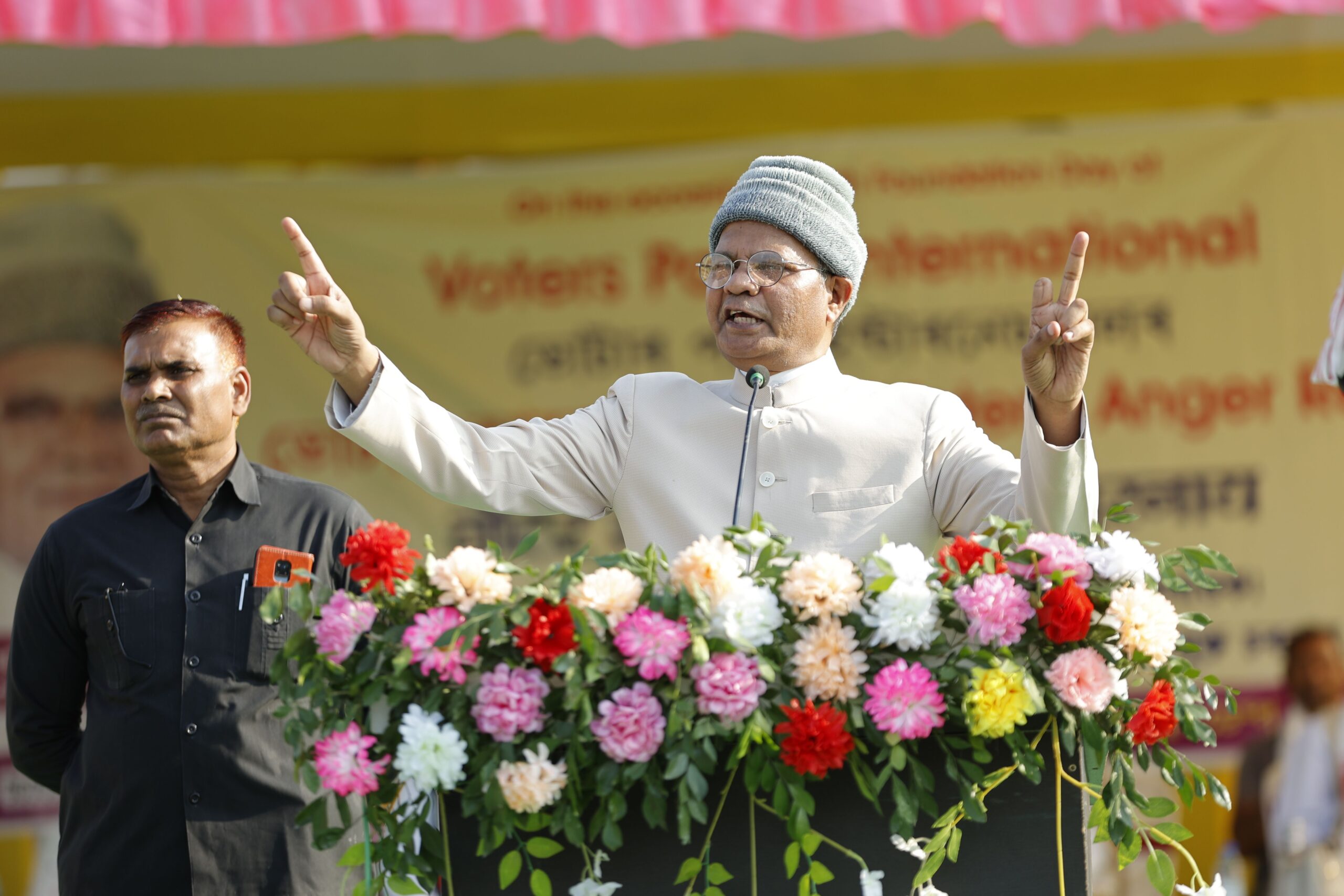
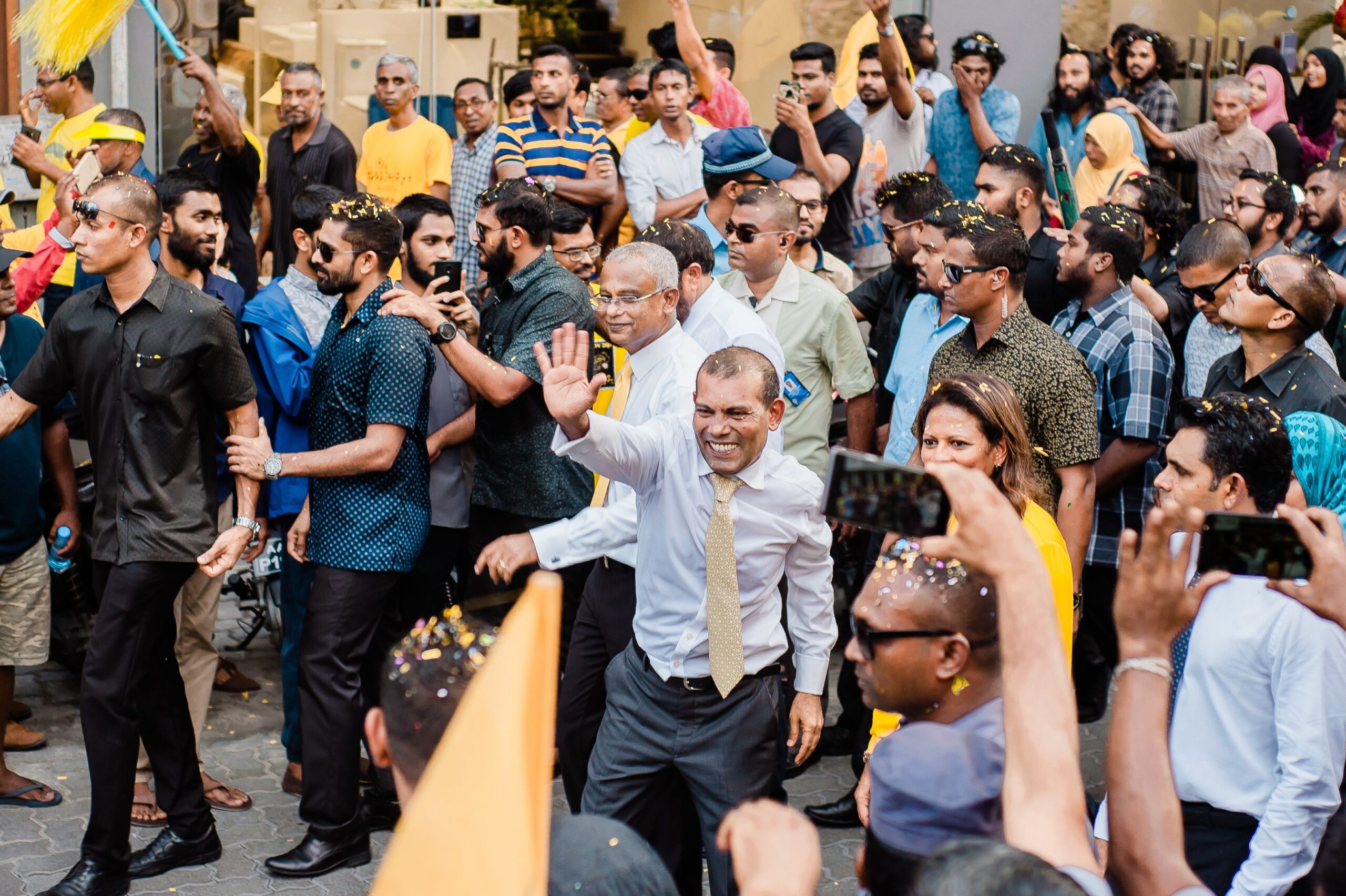
Pre-election analyses had suggested a potential shift in Singapore’s political landscape. High turnout at opposition rallies, including reports of gatherings as large as 50,000 in a city-state of approximately 5.5 million residents, had fueled speculation of a swing election. Many foreign analysts and local experts had predicted that the PAP might suffer a significant defeat, with its popular vote share potentially falling to historic lows. The opposition fielded a stronger slate of candidates than in previous contests and contested all seats in the island, aiming to present a viable alternative to the ruling party.
Despite these expectations, the PAP effectively shifted the campaign focus away from the opposition’s preferred themes of social equity and immigration control. Instead, government politicians highlighted perceived mismanagement by the Workers Party in town council operations and emphasized the opposition’s lack of experience in handling national economics and foreign policy. Additionally, the death of Singapore’s founding father, Lee Kuan Yew, earlier in the year, generated an outpouring of emotion that the PAP leveraged to appeal to voters’ nostalgia for the era of rapid development and stability.
Eugene Tan, a law professor at the Singapore Management University, noted that the opposition’s failure to make further inroads after 2020 was unexpected. “Singapore voters played their cards close to their chest. Today, they indicated that their trust is with a party that has delivered over the years,” Tan said. The short campaign period, standard for Singaporean elections, may also have disadvantaged the opposition, limiting their ability to organize a nationwide, well-coordinated counter-narrative against the incumbent government’s messaging.
The election result solidifies the PAP’s grip on power and ensures continuity in Singapore’s governance structure. With the opposition maintaining its 10 seats, the parliamentary balance remains heavily skewed toward the ruling party, which has dominated Singaporean politics since 1959. The government is now expected to proceed with its economic strategies and infrastructure plans with the renewed confidence of a broad electoral mandate.