First-Of-Its-Kind Diplomatic Gesture
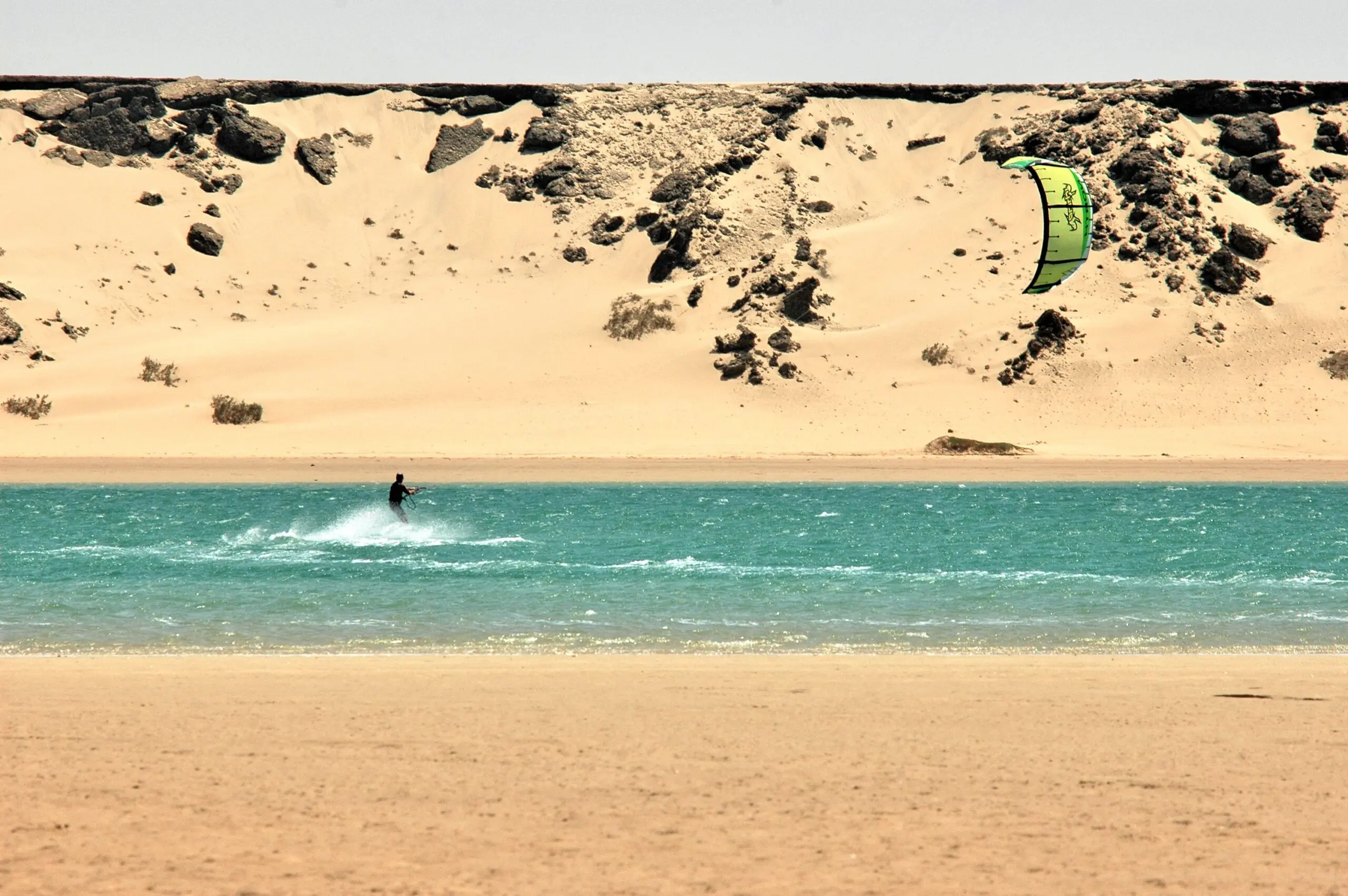
The visit to Dakhla, located in the Dakhla-Oued Eddahab region, is part of a broader program of French senatorial engagements. These activities are linked to the third Forum of French and Moroccan Elected Representatives, an event organized in late November 2024 by the Cercle Eugène-Delacroix Association in Paris. Preparations for Larcher’s visit began in early January, when three members of the France-Morocco friendship group in the Senate traveled to Dakhla. During that preliminary trip, the French delegation was received by Ali Khalil, the wali (governor) of the Dakhla-Oued Eddahab region, and Mounir El Houari, the general director of the Regional Investment Centre (CRI).
Larcher has long been a vocal advocate for the Moroccan solution to the Western Sahara dispute. In July 2024, he publicly welcomed President Emmanuel Macron’s decision to support the Moroccan autonomy plan, describing it as a “decisive diplomatic development” that was “long overdue.” In a letter sent to Macron in March 2024, Larcher argued that taking such a diplomatic initiative was an “inescapable” process for the future of Franco-Moroccan relations. He characterized the previous state of affairs as “sterile ambiguity” that had hindered the integration and prosperity of the Maghreb region.
Reconciliation and Strategic Partnership
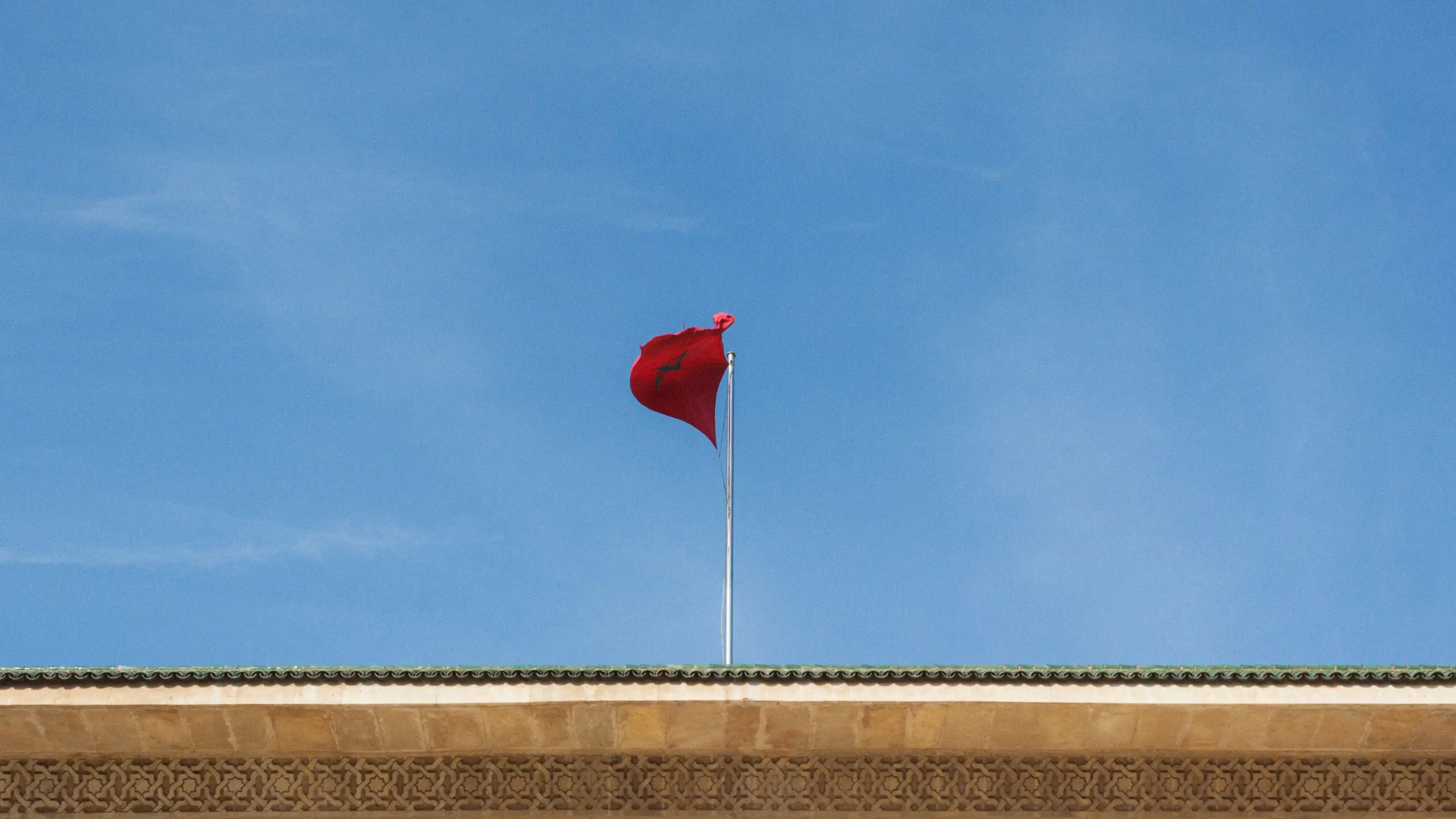
The planned visit occurs against the backdrop of a significant thaw in relations between Paris and Rabat, which had experienced diplomatic tensions for three years. The reconciliation has been driven by France’s explicit recognition of Moroccan sovereignty over Western Sahara, a move widely viewed as the most substantial support from a European power for Morocco’s position on the issue. This diplomatic shift has paved the way for a “new chapter” in bilateral relations, as stated by President Macron during his official visit to Morocco in October 2024.
The Moroccan Royal Cabinet has described the current state of affairs as a “transition to a new era of solid relations,” framed within a “renewed exceptional partnership.” This political alignment has translated into tangible economic commitments, with trade agreements and investments totaling 10 billion euros. During his October visit, Macron emphasized that French companies would support the development of Morocco’s southern regions through “sustainable and socially responsible investments” that benefit local communities.
Focus on Development and Investment
Larcher’s visit to Dakhla is expected to open new avenues for French cooperation and investment in the southern provinces. The trip aligns with the development model aimed at these areas, which Morocco has positioned as a key part of its national strategy. By physically visiting the region, the President of the Senate is expected to reinforce the political will behind the economic agreements signed following the resumption of high-level diplomatic exchanges.
The visit underscores the institutional depth of the Franco-Moroccan partnership, moving beyond executive-level agreements to involve legislative bodies. While the primary focus of Larcher’s recent diplomatic engagements has been the Western Sahara question and broader bilateral ties, his role in the Senate also involves managing France’s diplomatic relationships in other regions. For instance, he recently met with Armenian Foreign Minister Ararat Mirzoyan to discuss the strategic partnership between Armenia and France and developments in the South Caucasus. However, the Dakhla visit remains a distinct and high-profile signal of France’s specific commitment to Morocco’s territorial integrity and regional development goals.
As the visit approaches, the focus will be on the formal protocols and the specific announcements made during Larcher’s stay. The trip is seen as a consolidation of the political stance that France has adopted regarding Western Sahara, aiming to bridge the gap between diplomatic recognition and on-the-ground economic engagement in the southern provinces.