
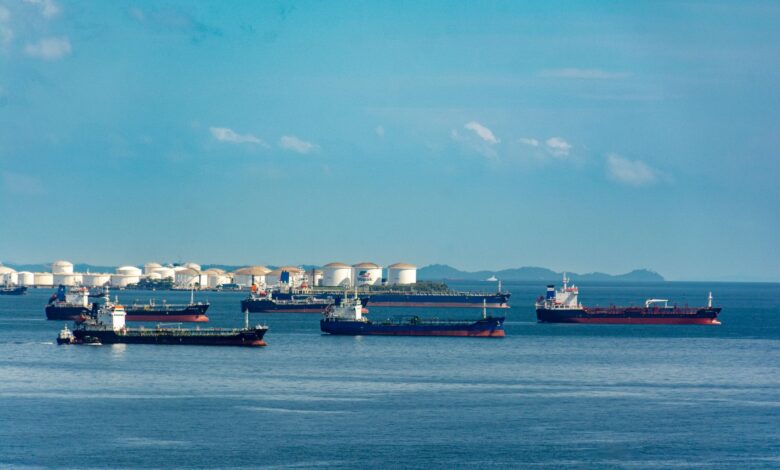
The Houthis stated in a statement carried by the Yemen News Agency that their operations targeted a “sensitive target” in Riyadh and facilities belonging to state-run energy giant Aramco in the Red Sea city of Yanbu. The rebel group asserted that both operations “achieved their objectives successfully.” In response, Saudi-led coalition forces announced that they had intercepted six ballistic missiles fired by the Houthis towards the kingdom. Despite the interception efforts, the confirmed impact on Aramco’s operational capacity has led to a direct cessation of supply to key international markets.
The immediate commercial consequence of the attacks is a suspension of crude oil deliveries to European customers. Saudi authorities have informed European refiners that no crude will be supplied next month. This halt in exports removes a significant volume of oil from the European market, a region already navigating tight supply conditions. The decision underscores the vulnerability of Red Sea shipping routes and Saudi export terminals to regional instability, forcing buyers to seek alternative sources or rely on strategic reserves to maintain operations.

Market reaction was sharp and immediate, with Brent futures briefly exceeding $108 a barrel during Thursday’s trading session before settling above $106.50. By Friday morning in Asia, prices eased slightly to $105.77 a barrel as of 02:00 GMT. The volatility reflects heightened fears that the ongoing conflict between Iran-aligned groups and Saudi Arabia could lead to further disruptions in energy supplies. These constraints are compounded by existing limitations resulting from the broader geopolitical tensions involving the US and Israel in their conflict with Iran.
Saudi Aramco remains the world’s largest oil producer, and its facilities in Yanbu are a critical node for exporting crude to Asia and Europe. The attack on this specific Red Sea port highlights the strategic importance of maritime security in the region. While the Saudi-led coalition claims to have neutralized some of the incoming threats, the confirmation of strikes on Aramco facilities signals a significant escalation in hostilities targeting the energy sector directly.
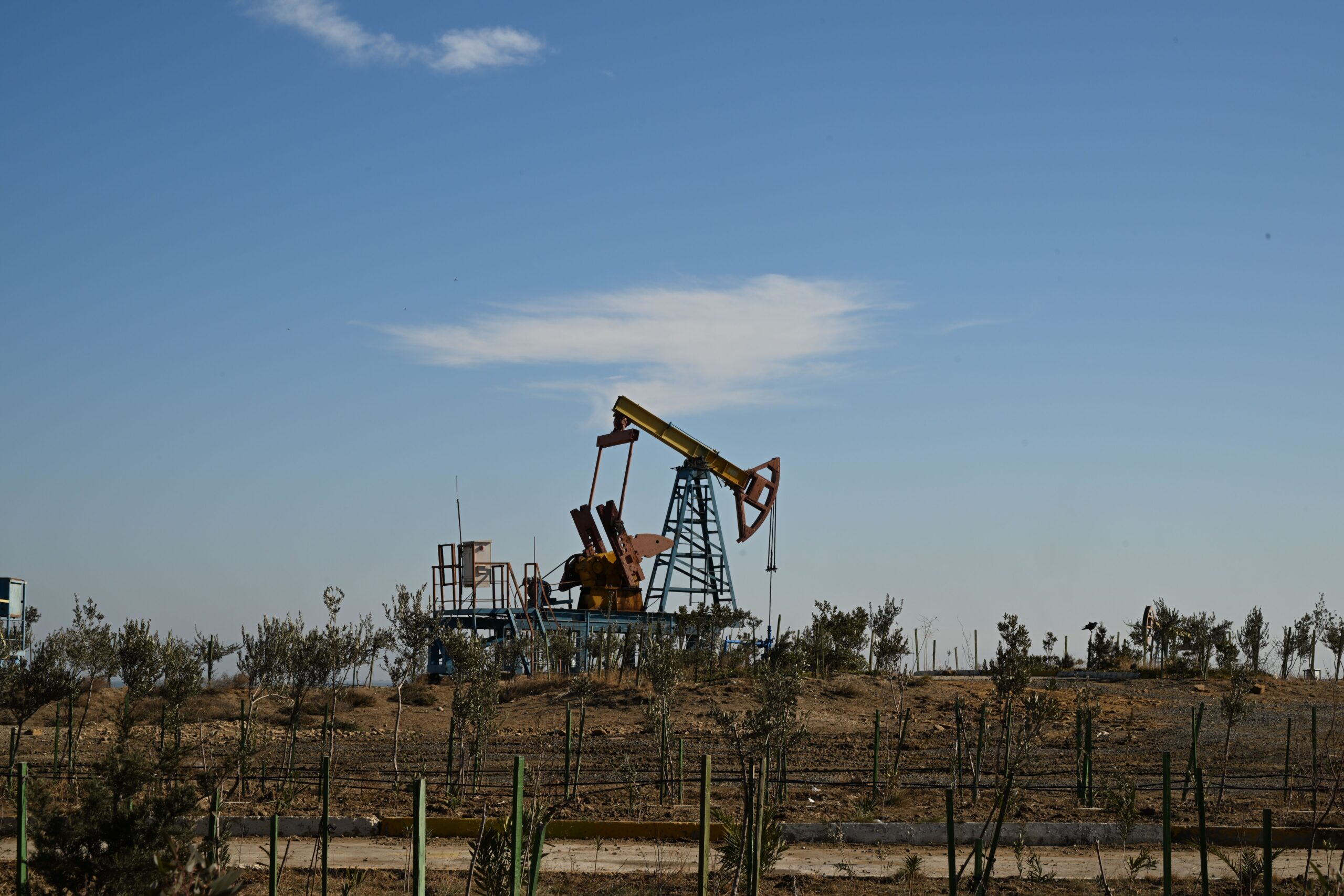
The halt in exports to Europe is a clear indication of the operational impact of the attacks on Aramco’s logistics and production capabilities. Refiners in the region must now adjust their purchasing strategies in the short term, potentially leading to increased demand for alternative grades of crude or products from other exporting nations. The situation remains fluid, with the Houthis maintaining their campaign to target Saudi economic and energy interests.
Traders are monitoring the situation closely for any further announcements regarding the operational status of Aramco’s facilities and the duration of the export halt. The next key data points will involve official confirmations from Saudi authorities on the extent of the damage to the Yanbu facilities and any adjustments to production schedules. For now, the market is pricing in a significant risk premium for supply disruption in the Middle East, keeping Brent crude well above the $100 mark.