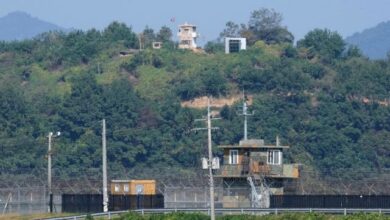

The South Korean military stated that the projectile was detected and tracked as it traveled over the Sea of Japan, a body of water that serves as a critical maritime corridor for regional trade and military logistics. While the specific type of weapon was not immediately detailed in the initial report, such launches are typically associated with short-range ballistic missiles or cruise missiles designed to test new systems or signal strategic intent.
Defense officials noted that the launch did not appear to pose an immediate threat to South Korean civilian infrastructure or personnel at the time of the initial alert. However, the act serves as a demonstration of capability and a test of the defensive readiness of both South Korea and its ally, the United States. The projectile’s trajectory and range will be analyzed by intelligence agencies to determine the performance of the system and assess any potential advancements in North Korean missile technology.
Regional Security Implications
The launch underscores the persistent instability along the demilitarized zone and the broader maritime approaches. For South Korea, the incident reinforces the necessity of maintaining a robust integrated air and missile defense system. The country has invested heavily in capabilities such as the THAAD (Terminal High Altitude Area Defense) system and indigenous air defense networks to counter various threat vectors from the North.
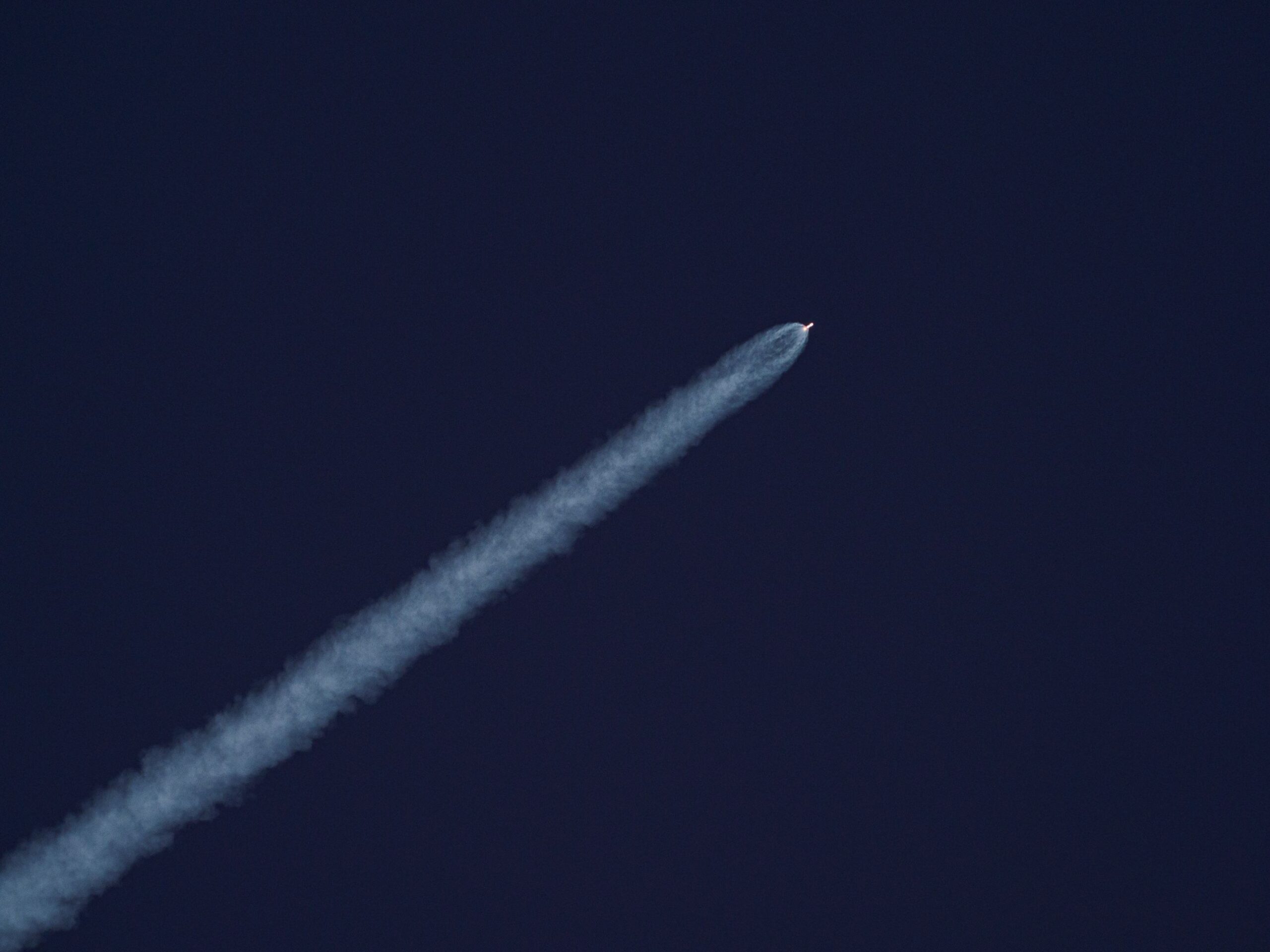
International observers note that such tests often coincide with diplomatic standoffs or internal political developments in North Korea. While no specific diplomatic context was cited in the immediate military release, the frequency of these launches has increased in recent periods, prompting regular joint exercises and heightened alert statuses among allied forces in the region.
The United States, as a key security partner, has consistently emphasized its commitment to the defense of South Korea and the preservation of peace in the region. Joint statements from Washington and Seoul typically reaffirm the readiness of their combined forces to respond to any form of aggression, emphasizing that their defensive postures are strictly reactive and aimed at deterrence rather than provocation.
Civilian impact remains minimal in direct terms, as the projectile was directed toward open waters. However, the recurring nature of such events contributes to a sustained state of military alertness, which has broader economic and social implications for the region. The South Korean government has urged citizens to remain calm and rely on official channels for updates, while continuing to monitor the situation closely.
Further details regarding the exact specifications of the projectile, including its range, speed, and payload capacity, are expected to follow as South Korean and American intelligence agencies complete their analysis. The next scheduled step in the response protocol involves a formal review by the South Korean National Security Council and potential consultations with allied partners to assess the strategic significance of the launch and determine any necessary adjustments to defensive postures.

The incident serves as a reminder of the ongoing challenges in denuclearization and diplomatic engagement on the peninsula. Despite periodic negotiations, the fundamental security issues remain unresolved, leading to a cycle of military demonstrations and defensive strengthening by both sides. The international community continues to call for restraint and dialogue, yet the military reality on the ground remains one of high tension and active deterrence.
Authorities in South Korea have not issued any evacuation orders or significant changes to public safety protocols beyond standard monitoring. The focus of the military response remains on intelligence gathering and ensuring that all defensive systems are operational and ready. The episode is likely to be discussed in upcoming diplomatic forums where regional security is a primary agenda item.
As the investigation into the launch continues, attention will turn to whether this event signals a shift in North Korean strategic doctrine or merely continues the established pattern of periodic testing. For now, the immediate defense significance lies in the confirmed capability of Pyongyang to conduct such launches with relative impunity, a factor that continues to shape the military and diplomatic strategies of the region’s key players.