
The inauguration marks a pivotal phase in the rollout of the UAE’s passenger rail infrastructure, which was originally announced in 2021 as part of the nation’s Projects of the 50. While introductory services between Abu Dhabi and Fujairah commenced on June 30, the September 30 expansion formally adds Dubai and Al Dhaid to the network. This development transforms the system from a limited pilot into a multi-emirate transit hub, designed to connect major cities, economic centers, and tourism destinations across the country.
Dubai Station is engineered primarily as an integration point between the national railway and the emirate’s local public transport grid. A dedicated pedestrian bridge links the station directly to the Jumeirah Golf Estates Metro Station, facilitating direct transfers between the two systems. Furthermore, the network is integrated with Dubai’s Nol payment system, allowing passengers to use a single QR code to travel across Etihad Rail trains, the Metro, trams, and buses. This interoperability is intended to streamline the user experience, reducing the friction often associated with switching between different transport operators.
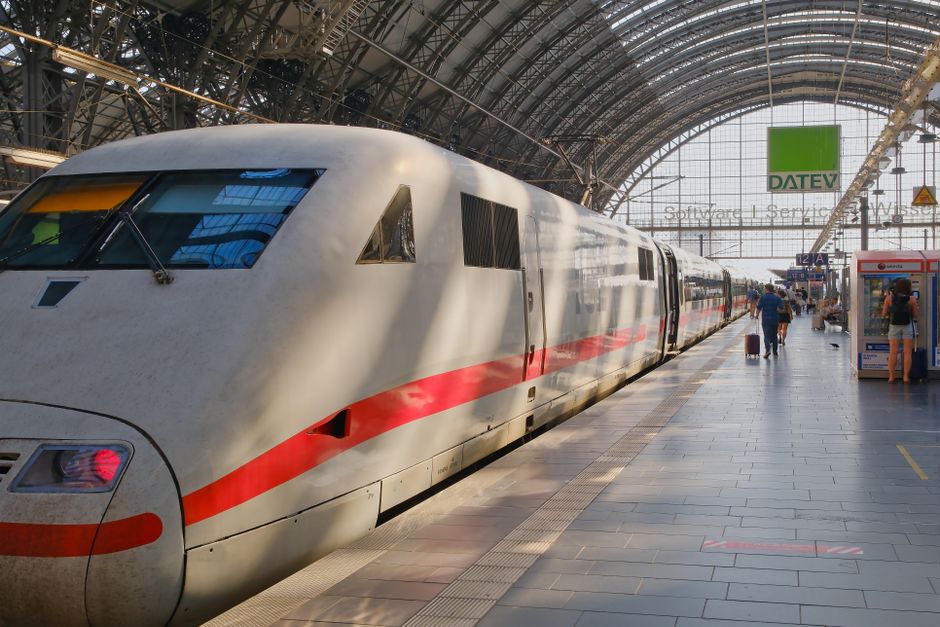
During a tour of the facilities, officials reviewed the operational systems and technologies supporting the passenger journey, from ticketing and boarding to on-board amenities. Etihad Rail CEO Shadi Malak briefed the attendees on the station’s role in enhancing connectivity. Sheikh Hamdan described the station as a new link between Dubai, Abu Dhabi, and the wider country, noting that it supports the emirate’s transport infrastructure and future development. Sheikh Theyab emphasized that the launch strengthens connections between the emirates while supporting economic competitiveness and quality of life.
Commercially, the service is priced to be accessible to a broad range of travelers. Fares begin at $10.6 for Comfort Class and $29.6 for Premium Class. All passenger services offer guaranteed seating, Wi-Fi, charging points, and luggage space, with Premium Class providing additional features. Tickets are available through the Etihad Rail mobile application, its website, and vending machines at stations. Early indicators suggest strong market demand; in August, Etihad Rail reported that more than 70,000 tickets had been sold since the June launch of the Abu Dhabi-Fujairah route. The company noted that demand is driven by a mix of families, commuters, schools, and leisure travelers, data that will help inform the strategy for the network’s expansion.
The rollout follows a strict phased schedule over the next several months. Following the addition of Dubai, Zayed City and Liwa stations are scheduled to open on November 30, with the remaining Al Dhafra stations following on December 30. The final major addition in the current phase will be Sharjah Station, planned for opening on March 30, 2027. This gradual expansion allows for the refinement of operations and infrastructure as the network grows in complexity and passenger volume.
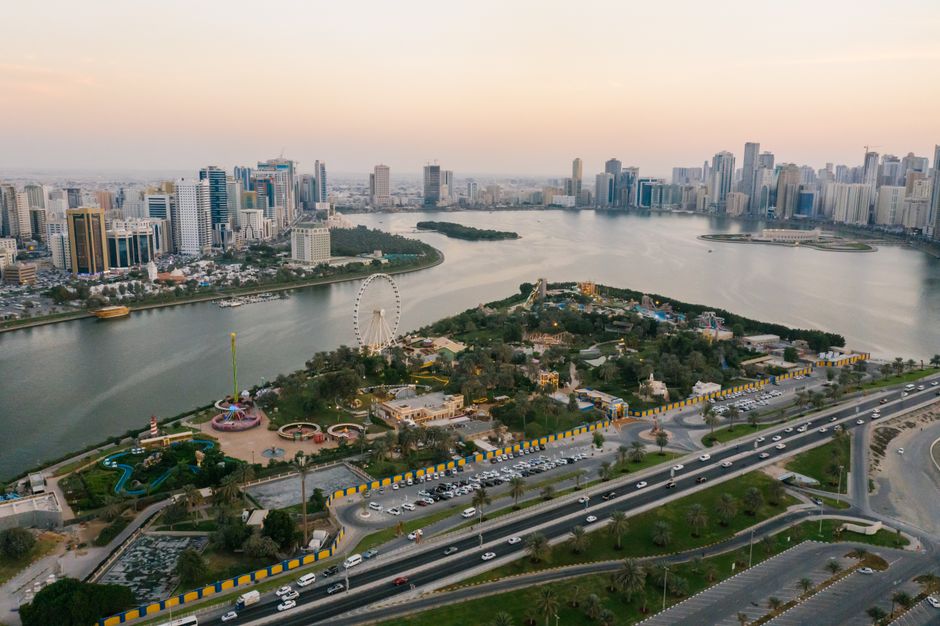
Sheikh Hamdan later reflected on the significance of the President’s participation, stating that the surprise arrival was one of the “most wonderful surprises” of the opening. He described the moment as bringing immense joy to attendees and adding special significance to the celebration of the national railway project. The President’s presence was viewed not just as a ceremonial gesture but as a reflection of a leadership approach centered on remaining close to the public and supporting national ambitions. By traveling as an ordinary passenger on the inaugural leg, the head of state highlighted the practical utility of the rail link in bridging the distance between the UAE’s key urban centers.
As the network prepares for its September 30 expansion, the focus shifts from infrastructure completion to sustained public adoption. The integration of Etihad Rail with existing urban transit systems in Dubai represents a test case for how national rail can function as a complementary layer to local public transport. With the next set of stations scheduled to open in late 2026, the coming months will determine how effectively the railway can capture the demand already evidenced by the tens of thousands of tickets sold for the initial Abu Dhabi-Fujairah route.
