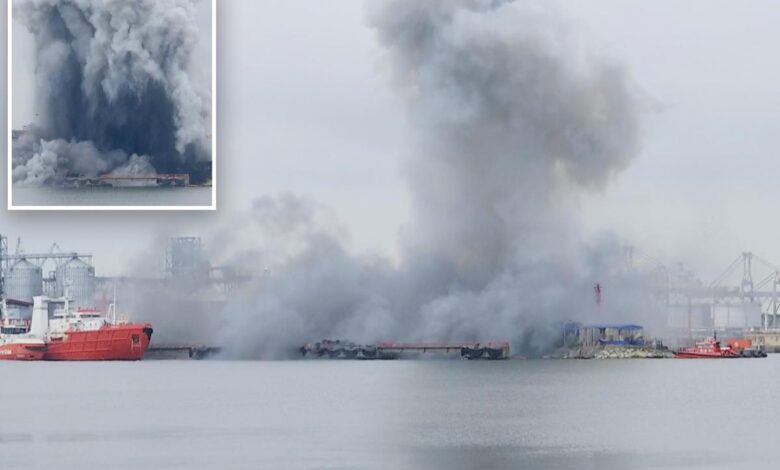
The Ukrainian Navy confirmed the origin of the device, stating that one of its unmanned surface vessels was conducting missions in the Black Sea operational area when it came under the influence of Russian electronic warfare systems. According to the navy, the vessel lost control as a result of this interference and drifted toward the Romanian coast. Kyiv stated that it had informed Bucharest of the incident to allow for preventive measures. Ukrainian officials indicated that, in addition to the vessel that detonated in the port, four other drones were lost as a result of the electronic jamming, though specific details regarding their final locations were limited.
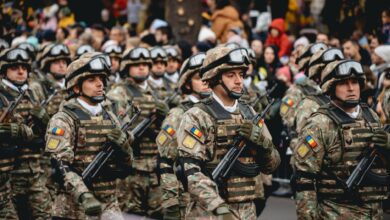
Romanian authorities responded swiftly, with the Ministry of National Defense, the Romanian Intelligence Service, and the coast guard securing and isolating the area. More than 1,300 people were evacuated from several Black Sea beaches, and routes leading to the coast were blocked. Helicopters were deployed to survey the waters for additional vessels, and residents were issued text message alerts to take cover. Raed Arafat, head of the Department for Emergency Situations, emphasized that the actions were preventive in nature, aiming to ensure that no further undetected drones could cause explosions in populated areas. Although Romanian officials initially noted that the official type and origin of the drone were under investigation, they observed that the device appeared similar to maritime drones used in the war in Ukraine. The Romanian Defense Ministry explicitly clarified that the drone was not part of Romanian military equipment and was unrelated to recent national exercises in the Black Sea.
The geopolitical implications of the incident were quickly addressed by European leadership. European Commission President Ursula von der Leyen and European Council President António Costa both described the event as a “direct consequence” of Russia’s war of aggression against Ukraine. Romanian President Nicusor Dan echoed this assessment, stating that the entry of the drone into Romanian sovereign space was a direct result of the conflict. Dan praised the rapid and preventive response of law enforcement and security services, noting that with a military conflict on the border, Romania must maintain a high level of vigilance.
This incident follows a series of drone incursions into NATO member states since Moscow’s full-scale invasion of Ukraine began in February 2022. Just one week prior, a Russian aerial drone intended for an attack on Ukraine went astray and struck an apartment building in Romania’s eastern Danube port city of Giurgiu, injuring two people. Additionally, earlier this week, Romanian naval forces destroyed another maritime drone in the Black Sea and detonated a Russian YaRM-type anti-landing mine that had drifted to the shore. The Romanian navy has neutralized nine of the 156 sea mines identified in the Black Sea basin since the start of the war.
The attribution of responsibility for the Constanta incident has seen some variation in international reporting, with some outlets focusing on the Ukrainian explanation of Russian electronic jamming, while others highlighted the physical presence of the drone in Romanian waters as a primary concern. However, the official position of both Kyiv and Bucharest aligns on the operational cause: electronic interference from Russian systems caused the loss of control. A prosecutor’s office attached to the Constanța Court of Appeal has opened a formal investigation into the incident. Russia’s embassy in Romania has blamed Kyiv for the event, a claim contested by Ukrainian officials who cite the specific technical failure caused by enemy electronic warfare.
The incident has not resulted in confirmed damage to the oil terminal infrastructure, but the proximity of the detonation to critical energy assets has heightened scrutiny of maritime security protocols in the region. As the conflict continues to spill over into NATO territory through stray munitions and lost unmanned systems, the incident serves as a stark reminder of the operational constraints and risks facing both belligerents and neighboring states. The focus now shifts to the ongoing investigation and the continued monitoring of the Black Sea by Romanian and allied forces to prevent further incursions.