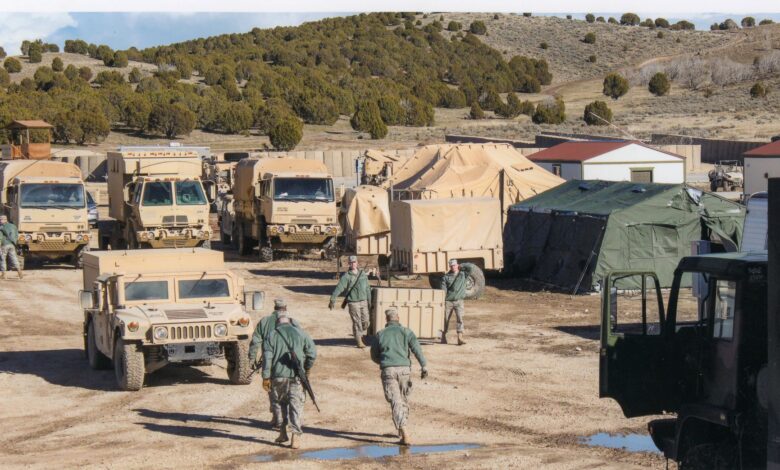
The US military involvement in Iraq spans a complex history of occupation, insurgency, and coalition warfare. The current withdrawal follows a prolonged campaign that saw international coalition forces work alongside the Iraqi Security Forces (ISF) to retake major cities, including Mosul and Raqqa, from ISIS control. The decision to end the mission reflects the deteriorating security environment for foreign troops and the political imperative for Iraq to assert its independence from foreign military bases.
This is not the first time the US has executed a full withdrawal. Previous departures occurred following the initial occupation and subsequent stabilization periods, each time leaving behind security challenges that necessitated later returns. The 2020s withdrawal, however, occurs against the backdrop of a more entrenched Iraqi government and a shifting regional dynamic, where Baghdad seeks to reduce its reliance on external military protection while managing threats from non-state actors and neighboring states.
The exit of the last US troops marks a definitive shift from a counter-ISIS partnership to a model of sovereign Iraqi defense, requiring the ISF to operate without direct US command or logistical support.
Photo by Alex Dos Santos / Pexels
Navigating the New Security Landscape
As the US presence concludes, Iraq enters a period described as a “high-stakes security balancing act.” The Iraqi government has marked this transition with national “Sovereignty Days,” a symbolic gesture emphasizing state control over its own territory and security apparatus. While the removal of foreign troops is a political win for nationalist factions, it creates strategic vulnerabilities. The primary risk lies in the potential resurgence of ISIS cells, which have demonstrated resilience in rural and border regions despite the loss of their territorial caliphate.
The US military provided critical intelligence, surveillance, and targeting capabilities that were integral to the defeat of ISIS. With the withdrawal, the ISF must rely entirely on domestic capabilities and any residual support from other coalition partners, such as the United Kingdom or France, which may maintain smaller, less visible presences. The absence of the US as a primary security guarantor complicates Iraq’s ability to respond to cross-border threats, particularly from Iran-backed militias that operate within Iraqi territory and have, at times, come into conflict with both the state and US forces.
Geopolitical Implications and Future Risks
The withdrawal alters the geopolitical calculus in the Middle East. For the United States, it represents a strategic pivot away from direct ground engagement in Iraq, aligning with broader global policy shifts. For Iraq, it necessitates a rapid evolution of its diplomatic and security strategies. Baghdad must now navigate a delicate balance, maintaining cooperation with regional powers while developing the institutional capacity to defend its borders independently.
Photo by Ron Pedersen / Pexels
The immediate consequence is a heightened dependence on Iraqi political consensus. The country’s fragmented political landscape means that security decisions are often subject to partisan negotiation, which can slow response times to emerging threats. Furthermore, the economic implications of the withdrawal are significant; the military presence had a measurable impact on local economies in garrison towns, and its departure requires new economic strategies to sustain stability in those areas.
Long-term, the success of this transition hinges on the ISF’s professionalization and the reduction of sectarian tensions that have historically weakened the national security apparatus. If the Iraqi state can consolidate its authority and maintain effective border controls, the “Sovereignty Days” will mark a successful transition to self-reliance. However, if security gaps emerge, the risk of renewed instability is high, potentially drawing back international attention to a region that has endured decades of conflict.
As the final convoy of US troops crosses the border on Wednesday, the focus shifts to the Iraqi government’s ability to hold the line. The ceremonial end of the US mission is only the beginning of a test for Baghdad’s resolve. The coming months will determine whether the sovereignty celebrated this week translates into sustainable security, or if the vacuum left by the US departure becomes a breeding ground for renewed conflict. The world watches not just the departure, but the stability that follows in its wake.
James Carter focuses on geopolitical developments, international diplomacy, and changing power dynamics between major regions. He follows conflicts, strategic partnerships, territorial disputes, and important foreign-policy decisions. James aims to make complex international stories easier to follow by separating confirmed developments from speculation and providing the political and historical context readers need.