
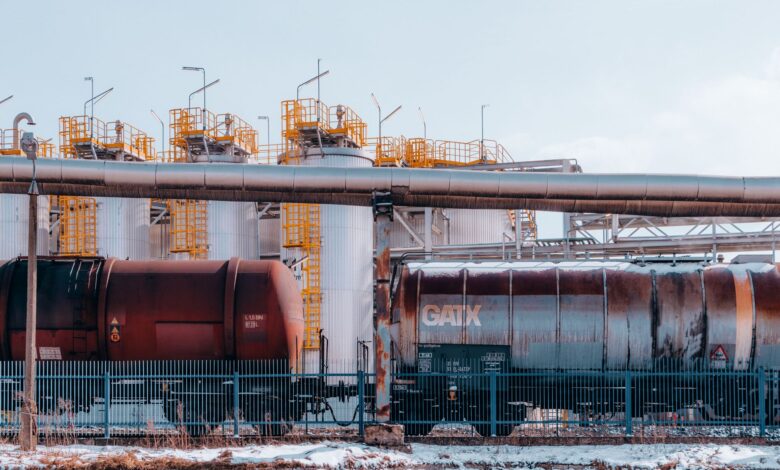
The pressure is being applied most intensely to France and Germany. Reports indicate that the Trump administration specifically wants these two major European economies to tap into their stockpiles of diesel. The goal is to curb prices that have been sent skyrocketing by the disruption caused by the conflict in the Middle East. This move marks a significant shift in how the US is managing its strategic petroleum reserves and coordinating with allies during a period of high volatility in energy markets.
US Treasury Secretary Scott Bessent made the call for action explicit, urging European partners to accelerate the delivery on their existing commitments. Beyond merely fulfilling current obligations, Bessent requested that additional supplies be made immediately available to address the disruption in global diesel supply. The intervention is not merely a suggestion but a strategic necessity, as the current price levels are posing risks to broader economic stability and trade flows.
The urgency of the situation has prompted a rapid diplomatic response within the European Union. EU member states are scheduled to discuss a coordinated response to the crisis on Friday. This meeting is critical as it will determine whether the bloc agrees to a unified release of reserves or if individual nations will act independently. The timing of the discussion, just one day after the US directive, underscores the immediate nature of the threat to global energy security.
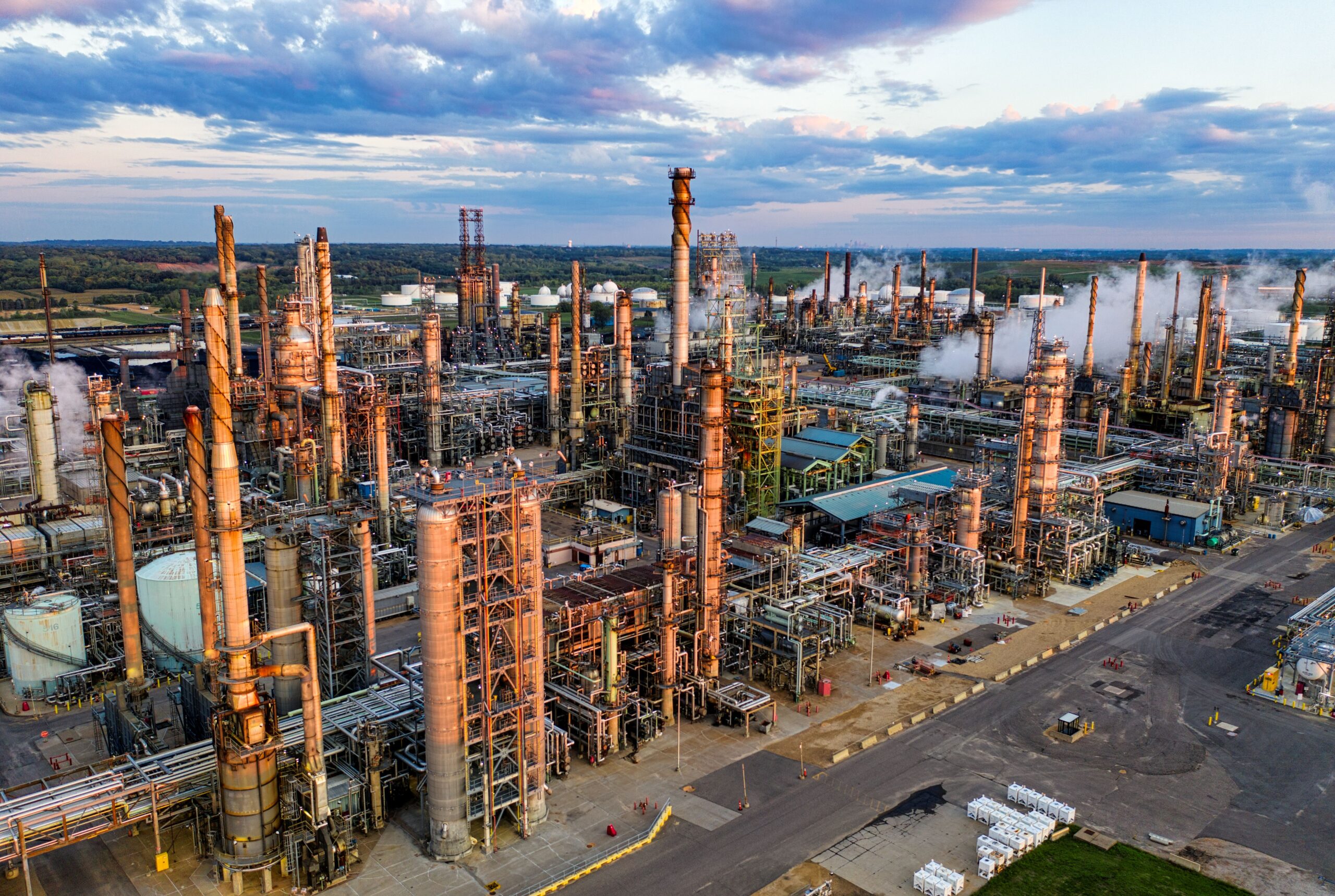
Behind the diplomatic language lies a significant threat. President Donald Trump has suggested that the US could ban diesel exports if the situation is not addressed. According to sources, the US has told France and Germany that they must release diesel stocks or face such an export ban. This potential ban would further restrict the global supply of diesel, potentially exacerbating the price spike rather than alleviating it. The interplay between the US domestic market and the global trade of diesel is thus at a critical juncture, with the threat of protectionist measures serving as leverage to secure allied cooperation.
The rise in diesel prices is directly linked to the supply disruptions caused by the US war on Iran. Diesel is a crucial component for logistics, transportation, and industrial activity across the globe. A sustained spike in these prices can have a cascading effect on the cost of goods and services, impacting households and businesses far beyond the energy sector. The US administration appears to view the release of strategic reserves as the most effective tool to mitigate this immediate shock to the market.
The disagreement or uncertainty now centers on the extent and speed of the European response. While the US demands immediate action, the EU is deliberating the best course of action among its member states. The coordination required for a unified release of reserves is complex, involving legal and logistical challenges. However, the threat of a US export ban adds a layer of pressure that may force a faster consensus. If the US does proceed with a ban, it could isolate the US market, leading to a dual market structure with significantly different price levels inside and outside the United States.
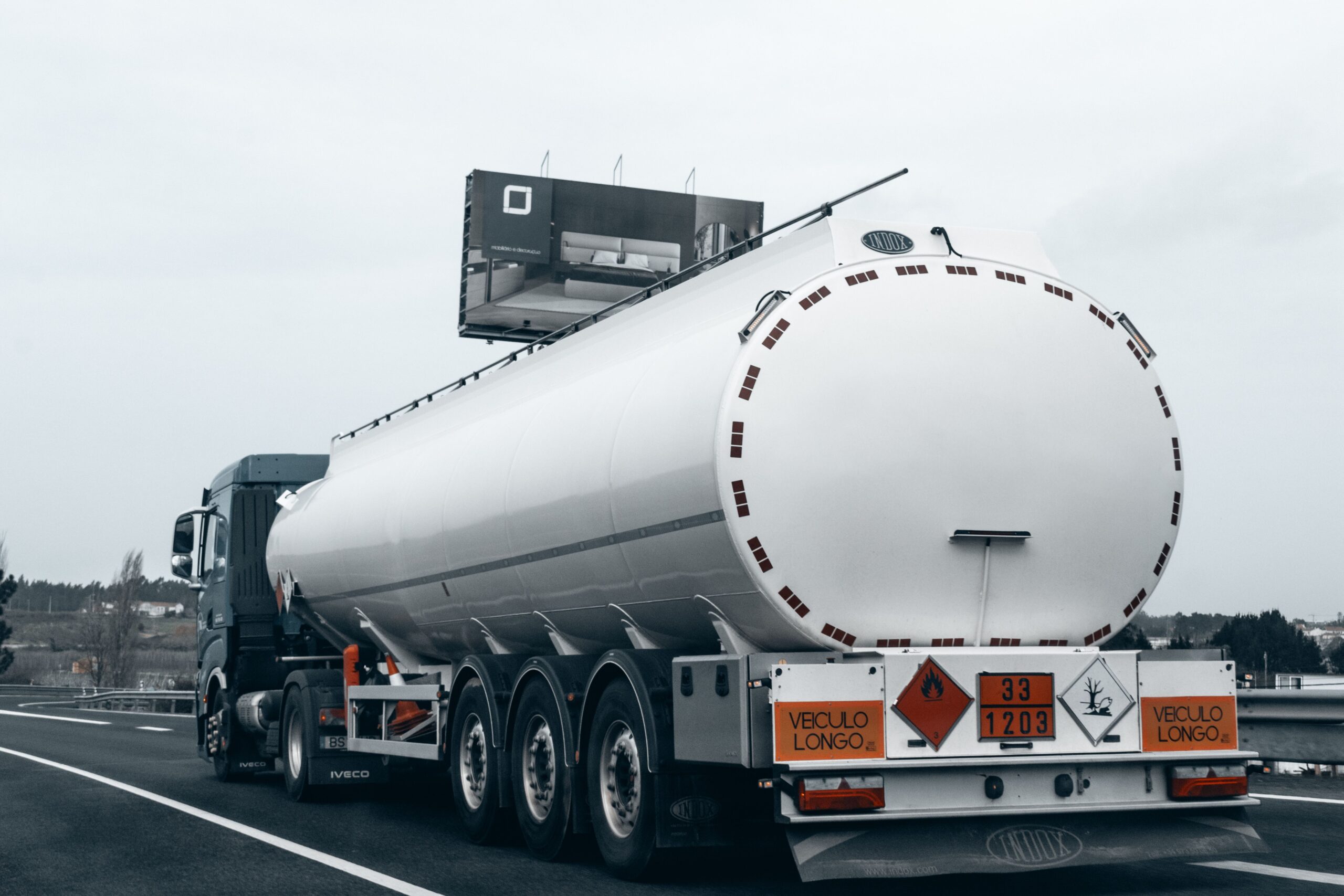
For European consumers and businesses, the immediate release of reserves could provide temporary relief, dampening the price increases. However, the long-term impact will depend on the resolution of the conflict in Iran and the restoration of stable supply chains. The current situation highlights the vulnerability of global energy markets to geopolitical shocks and the increasing reliance on coordinated strategic reserve releases to manage such crises. The coming days will reveal whether the transatlantic partnership can withstand the pressure of this energy dispute or if it will lead to further fragmentation in global trade policies.
As EU leaders gather on Friday, the focus will be on balancing domestic energy security with international obligations. The US expectation for “immediate” supply makes it clear that Washington views the current price levels as unsustainable. The outcome of these discussions will not only affect diesel prices in the short term but will also set a precedent for how allied nations manage strategic resources during periods of geopolitical conflict. The market is watching closely, with traders and policymakers alike bracing for the potential impact of either a coordinated release or a hardening of US trade stances.