Filling the Clinical Blind Spots
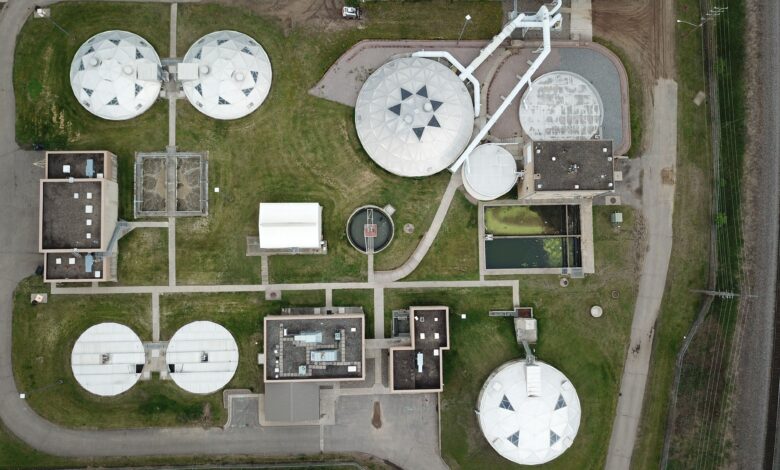
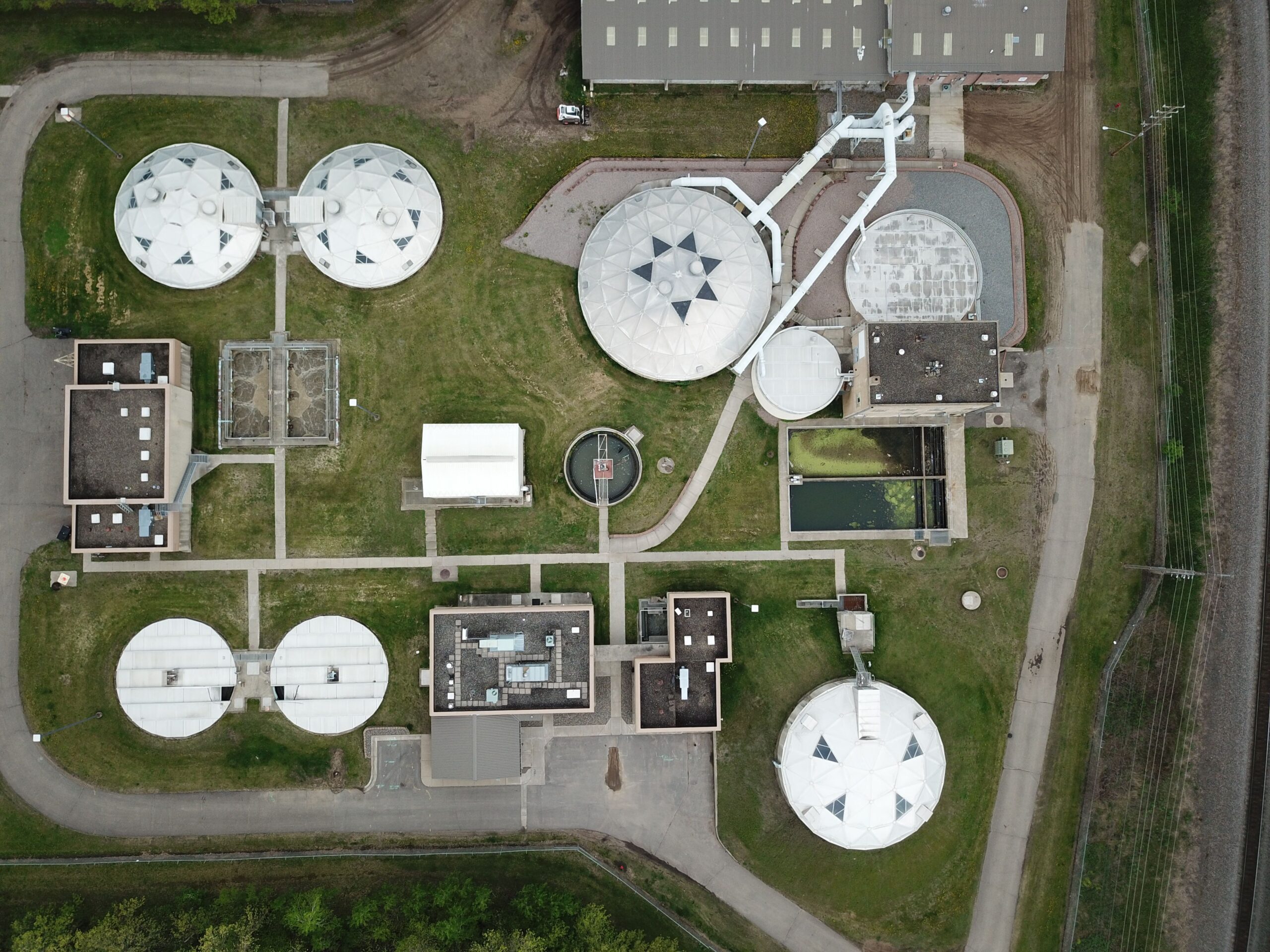
The primary value of wastewater surveillance (WWS) lies in its ability to bypass the barriers of healthcare access. In many regions, particularly within resource-constrained settings across Asia, vulnerable groups such as migrants and low-income communities often fall through the cracks of national clinical surveillance. These epidemiological “blind spots” mean that public health authorities may not recognize an outbreak until it has already spread significantly. By testing wastewater from selected sites—ranging from urban sewage plants to rural rivers—officials can obtain a snapshot of the diseases circulating in a specific community, regardless of whether individuals are seeking medical care.
Research indicates that WWS can detect signals for diseases such as COVID-19 and seasonal respiratory viruses one to two weeks before they are noticed by clinical systems. This lead time provides a crucial window of opportunity for authorities to prepare resources and implement containment strategies. However, the effectiveness of this tool depends heavily on the selection of sampling sites. To be representative, a site must adequately capture the sewage output of the population of interest. If the infrastructure does not reflect the demographic reality of the area, the data may remain incomplete or skewed.
Equity and the Whole-of-Government Approach
During the pandemic, wastewater surveillance was widely hailed as a more equitable method for tracking disease, as it does not require individuals to have access to or the financial means for clinical testing. Recent studies, however, have revealed ongoing inequities in how these detection systems are deployed. While the potential for equity is high, the implementation often lags behind the technology. For WWS to become a routine and reliable part of the public health toolkit, experts argue that a whole-of-government approach is necessary. This model extends beyond the Ministries of Health or Environment, creating mutual benefits across sectors and ensuring that the infrastructure is sustainable.
The challenge is that the surge of interest and investment during the pandemic has largely subsided. Many pilot programs deployed during that period have since been put on hold or wound down due to a lack of long-term political and financial commitment. In Asia, where healthcare systems face persistent challenges in providing equitable access, the absence of a sustained WWS framework leaves a gap in the ability to prevent, detect, and respond to infectious disease threats.

The Path Forward
As the World Cup utilization of sewage testing demonstrates the practical utility of the method, the focus now turns to institutionalizing these efforts. The next verified development for public health authorities is not just the detection of a specific pathogen, but the creation of a permanent, integrated surveillance network. By treating wastewater data as a standard component of epidemiological monitoring, governments can address the “blind spots” that leave vulnerable communities unprotected. The goal is to move from reactive crisis management to proactive, data-driven public health preparedness, ensuring that the early warning capabilities of WWS are available to all populations, not just those with easy access to clinical care.
Ultimately, the “see” that WWS provides must be matched by the political will to act on what is seen. Without a collective commitment to maintain these systems, the early warning signals may continue to be lost in the silence of unmonitored sewage, leaving communities vulnerable to the next infectious disease threat.