
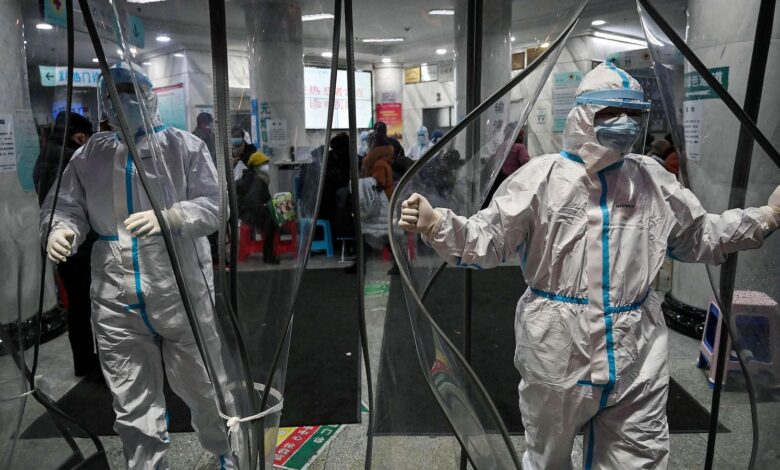
The surge in mortality was not solely due to the virus itself. Experts indicate that the impact on cardiovascular health was multifaceted, involving both direct physiological effects of the infection and indirect consequences of healthcare disruptions. Dr. Connie Tsao, a professor of medicine at Harvard Medical School, described the data as the first substantial evidence base regarding the impact of the pandemic’s initial years on heart health.
One major indirect factor was the avoidance of medical facilities. During periods of isolation, many patients refrained from seeking immediate care for symptoms that required hospital attention. Dr. Michelle Albert, a cardiology professor at the University of California at San Francisco, noted that when individuals finally presented for care, their conditions were often more advanced, complicating treatment and increasing the likelihood of fatal outcomes.
Beyond delayed care, the virus appears to have exacerbated cardiovascular conditions directly. Research suggests that cardiovascular disease and its risk factors may be linked to the severity and mortality of COVID-19. The virus itself may have worsened symptoms in patients with pre-existing heart conditions, though the precise biological relationship between the two remains an area of ongoing investigation.
Recent data from the North American COVID-19 Myocardial Infarction (NACMI) registry provides further insight into these risks, specifically focusing on patients suffering from ST-elevation myocardial infarction (STEMI). STEMI is a severe form of heart attack caused by a complete blockage of a coronary artery.
The study, which analyzed 2,358 patients, divided the cohort into three groups: 623 patients who were positive for COVID-19, 694 who were negative, and 1,041 matched controls to reduce statistical bias. The findings were presented at the Society for Cardiovascular Angiography & Interventions (SCAI) 2026 Scientific Sessions and the Canadian Association of Interventional Cardiology Summit in Montreal.
The results show a dramatic divergence in survival rates. Patients hospitalized with both STEMI and confirmed or suspected COVID-19 were up to seven times more likely to experience serious complications, including in-hospital death, stroke, recurrent heart attack, or the need for repeat unplanned revascularization procedures, compared to those without the virus.
Mortality rates remained elevated long after the acute phase of the illness. One-year mortality for patients with both conditions reached 45 percent, compared to 27 percent for those without COVID-19. Notably, 86 percent of these deaths occurred during the hospitalization period, but the risk remained more than double pre-pandemic levels even after patients were discharged. This suggests that the physiological stress of a combined cardiac and viral event leaves a lasting imprint on patient health, extending the window of vulnerability well beyond the initial hospital stay.
While previous studies have documented the immediate risks of concurrent infections, this research contributes to a growing body of evidence regarding longer-term outcomes, which have historically been less well understood. The data underscores that the pandemic’s legacy on the cardiovascular system is not limited to the acute phase of infection.
Clinical Implications and Uncertainties
These findings do not establish that the virus directly causes heart attacks in all cases, but they strongly suggest that the presence of COVID-19 significantly worsens the prognosis for those already suffering from major cardiac events. The distinction between the direct toxic effects of the virus on the heart and the systemic inflammatory response remains a key area for future research.
For clinicians, the data reinforces the importance of early intervention and the need to monitor patients with concurrent diagnoses for extended periods. The high rate of in-hospital mortality indicates that the acute phase is critical, yet the elevated one-year death rate highlights the necessity of robust post-discharge care and follow-up for this specific patient population.
As the medical community continues to analyze the long-term sequelae of the pandemic, the focus is shifting from immediate survival to sustained recovery. Understanding why a subset of patients continues to face double the risk of death a year after discharge may lead to new therapeutic strategies for those who survive the initial crisis but remain vulnerable to late-stage complications.
Further studies are required to determine whether the observed risks are specific to the SARS-CoV-2 virus or broader to severe viral infections that place significant stress on the cardiovascular system. Until then, the data serves as a stark reminder of the interconnected nature of infectious and chronic diseases.
The next critical step in this research trajectory involves tracking these patient cohorts over multiple years to determine if the mortality risk normalizes over time or if these patients enter a permanently elevated risk category that requires lifelong specialized management.