The former Wagner fighter stated that he was deployed to Mali from September 2023 to April 2024, having signed a contract in 2023 and arriving via Syria. He noted that his unit comprised approximately 120 to 130 personnel, with mercenaries receiving a monthly salary of $3,000. According to his testimony, Russian instructors would bring in detained individuals, referred to as “captured terrorists,” to practice medical procedures under combat conditions.
“We would gather for medical training, and the instructors would bring in a captured terrorist, strap a block of TNT to his leg, and set it alight. Everyone would move away, and, of course, his leg would be blown off,” the former mercenary said. “We would then practice stopping the bleeding on the prisoner.”
The account details further alleged atrocities, including the detonation of explosives strapped to a detainee’s leg, the shooting of an artery in another individual’s armpit, and the use of a captive for knife training, specifically practicing stabbing the heart. In one instance, the fighter claimed a prisoner’s leg was severed with an axe to allow instructors to practice applying a tourniquet. He stated that all the captives involved in these “training exercises” died.
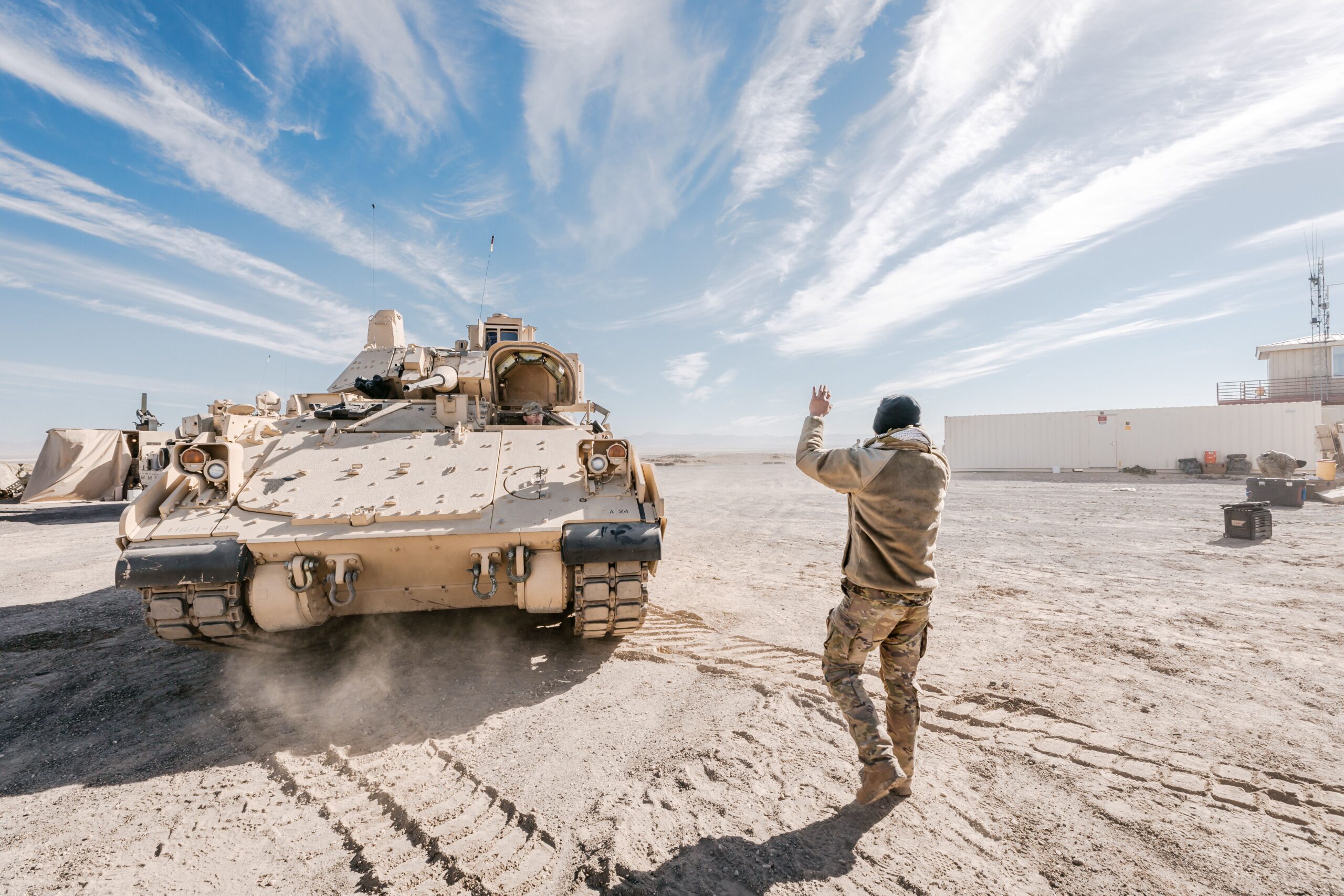
After returning to Russia in 2025, the individual signed a contract with the Russian Ministry of Defense and was assigned to the GRU’s 14th Separate Special Forces Brigade. He was subsequently taken prisoner during combat operations in Ukraine. These claims, while unverified by independent observers on the ground in Mali, provide a specific insight into the alleged operational culture of Wagner’s African deployments.
Economic and Strategic Posture in Central Africa
The testimony from Mali aligns with broader concerns regarding the Wagner Group’s footprint in the Central African Republic (CAR), where the private military company has been embedded in state institutions since 2018. A recent 72-page report for the Global Initiative Against Transnational Organized Crime, titled “Malicious Markets: Mapping the violent criminal ecosystem in the Central African Republic,” argues that the Russian presence has shifted from counterinsurgency to a model of territorial, political, and economic consolidation.
Researchers Nathalia Dukhan and Ruben De Koning note that Wagner-linked actors have become embedded in key ministries, the security apparatus, and strategic resource sectors. The report describes the arrangement as “nakedly transactional,” aiming to entrench long-term Russian influence by controlling natural resources, particularly gold and fuel. With the death of founder Yevgeny Prigozhin and the transfer of the group’s main assets to Kremlin control, remnants of the Wagner Group have continued operations in the region. It is reported that a group of approximately 500 mercenaries, led by Pavel Prigozhin, has established operations in the upper reaches of the Ubangi River in the CAR, operating beyond the reach of local law enforcement and Russian authorities.
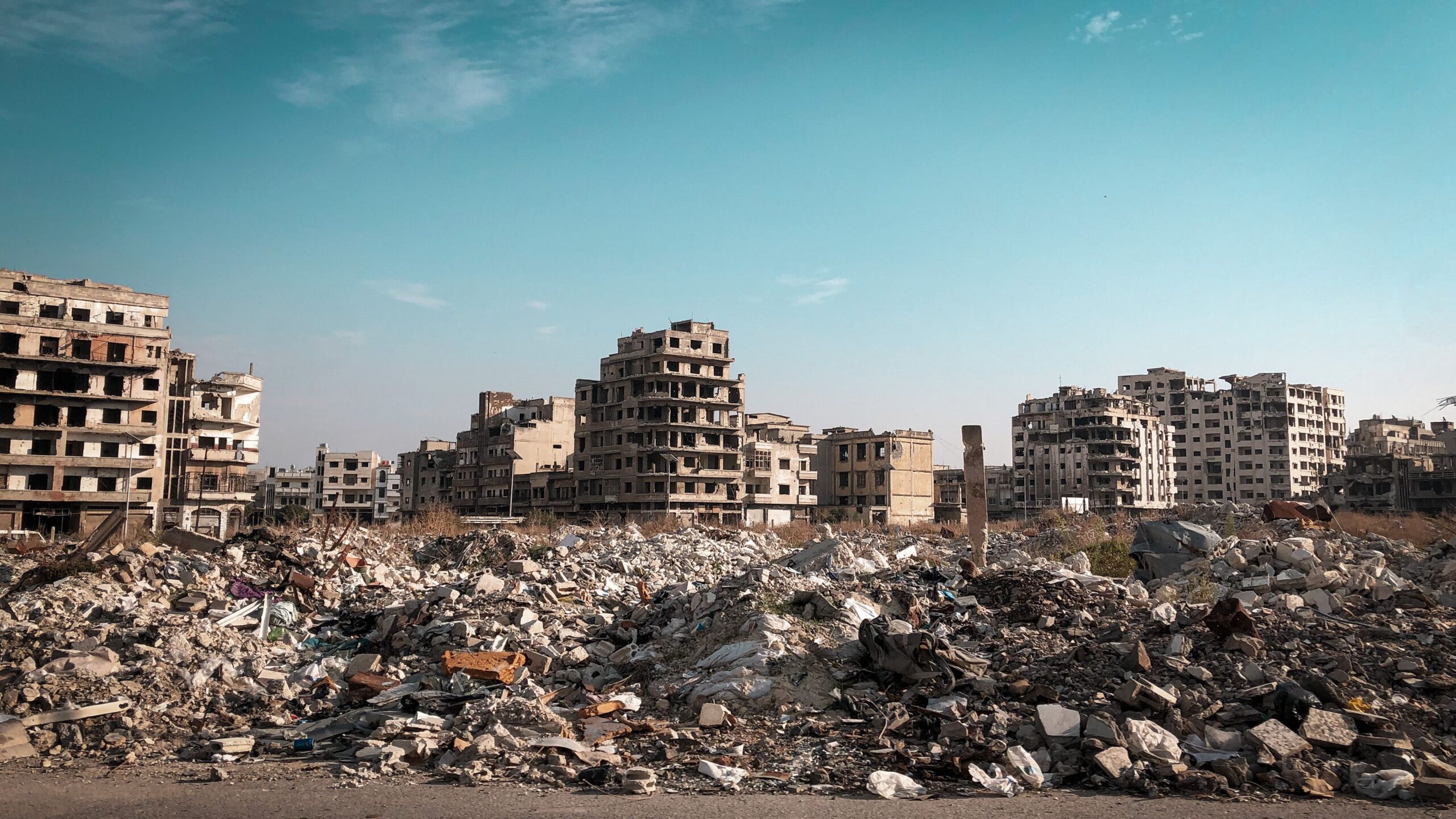
The economic impact of this presence is significant. De Koning stated that Wagner-controlled interests produce approximately 5 metric tons of gold annually, an output with an export value estimated at $250 million, though international market prices could see this value reach $500 million. Gold exports from the CAR, which reached 1.7 metric tons in 2023, were expected to total about 2.5 metric tons in 2025, but figures indicated exports had reached up to 7 metric tons by the end of the year. This volume is well beyond artisanal production capacity, suggesting the inclusion of industrial gold and output from Wagner’s concessions.
While the specific training methods described by the prisoner of war remain unverified claims from a single source, they underscore the harsh realities reported within Wagner’s operational environment. The broader strategic picture, however, is supported by data on resource extraction and political integration, illustrating how the group has leveraged conflict to create a sustained economic and political foothold in Central Africa. As Russian intelligence services step up activities in Europe and recruit former Wagner members for sabotage operations, the legacy of these African deployments continues to shape the group’s evolving role in global security dynamics.