Photos and videos circulated on social media show the individuals, dressed in head-to-toe black outfits with white face and neck coverings, marching from a McDonald’s location to a nearby overpass. At the Pacific Way overpass, the group displayed a banner above the Trans-Canada Highway that read “Got bones?” RCMP Superintendent Jeff Pelley confirmed that Mounties confronted the group near Chief Eli Larue Way before the members moved through other parts of the community.
Legal and Security Response
The gathering has triggered a formal police investigation into the nature of the assembly and its impact on public safety. While the specific legal charges are not yet public, the RCMP’s involvement indicates they are assessing the incident under jurisdictional powers regarding public order and potential hate-related activity. The Tk̓emlúps te Secwépemc First Nation is actively monitoring the situation, assessing additional security measures, and coordinating directly with the RCMP.
In a statement issued on Sunday, Chief Rosanne Casimir described the presence of individuals associated with white supremacist and white nationalist ideology as “deeply concerning.” She emphasized that the safety and well-being of band members, survivors, and staff are the top priority. The Chief advised community members to remain vigilant, avoid engaging with the group, and report any further suspicious activity, noting that the nation is taking the threat seriously.
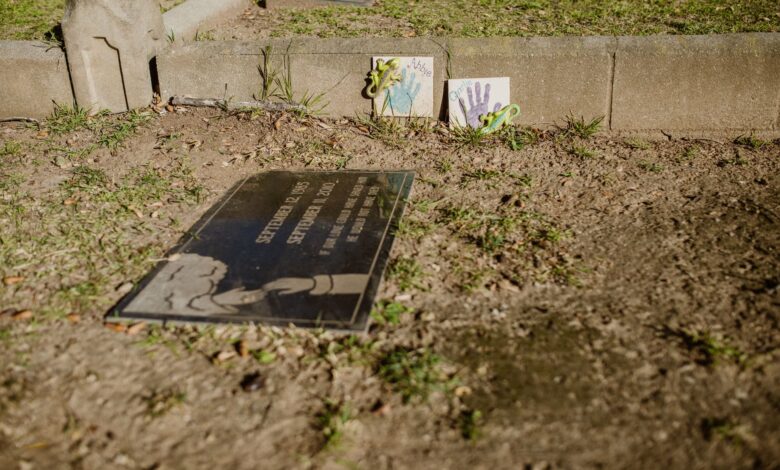
The timing of the demonstration is particularly significant as it coincides with the commemoration of the National Day for Truth and Reconciliation on September 30. This date marks the anniversary of the discovery in 2021 of hundreds of unmarked graves at the site, a finding that initially used ground-penetrating radar and brought global attention to the legacy of Canada’s residential school system. However, in the years following that announcement, the Tk̓emlúps te Secwépemc has walked back its initial characterization of the findings as confirmed graves, now referring to the radar results as anomalies.
Political and Community Condemnation
The incident has drawn sharp criticism from across the political spectrum. Prime Minister Mark Carney labeled the demonstration an “abhorrent” and “cowardly” act. Local political leaders, including Kamloops-Thompson-Cariboo MP Frank Caputo, also condemned the event, describing the participants as cowards who refuse to show their faces and carrying an “odious message.” Caputo stated he would be in contact with Tk̓emlúps leadership to offer support.
Kamloops city council issued a statement on Monday, declaring that the demonstration was an act of racism and intimidation that has no place in the community. Council members noted that the incident serves as a “painful reminder” that reconciliation work remains necessary and ongoing. The council reaffirmed its solidarity with the First Nation, stating that the relationship between their communities is stronger than attempts at division.
Second Sons Canada, founded in 2024, has not responded to requests for comment regarding the specific incident. The group’s website describes it as a fraternal organization dedicated to health, fitness, and camaraderacy, while noting that members wear masks to protect their identities from “adversaries.” Although the organization is not currently listed among Public Safety Canada’s designated terrorist entities, earlier reports indicated that the government had identified the growing “active club” movement as posing a risk for extreme violence. The organization reportedly has 15 chapters across the country.
For the Tk̓emlúps te Secwépemc, the legal and security implications of the gathering extend beyond the immediate police investigation. The incident highlights the ongoing tension between the community’s efforts to honor survivors and advance truth and accountability, and the emergence of groups that seek to challenge or mock that process. As the RCMP continues its probe, the focus remains on ensuring the safety of the community and upholding the rule of law during a period of national reflection.